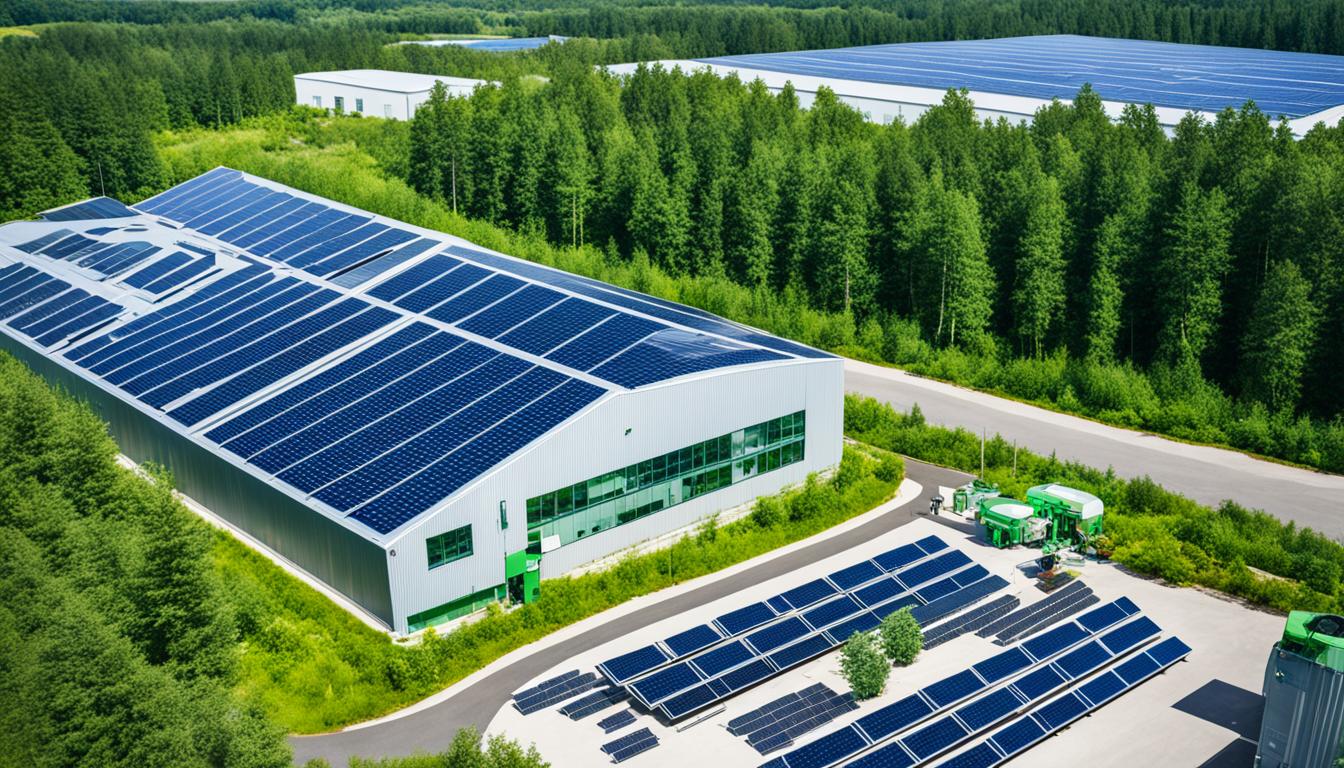
Welcome to our article on the principles of Green Manufacturing. In today’s world, sustainable production practices, eco-friendly manufacturing, and environmental manufacturing guidelines have become crucial considerations for companies across industries. Green manufacturing techniques focus on reducing the environmental impact of manufacturing processes while promoting resource efficiency and sustainability.
By adopting green production techniques, companies can contribute to a cleaner and greener future. Green Manufacturing involves a comprehensive systems approach that evaluates and improves manufacturing processes from a green perspective. It emphasizes the reduction or elimination of harmful inputs and outputs, as well as the efficient use of resources.
Environmental sustainability is the driving force behind green manufacturing, as it aims to minimize the carbon footprint, waste generation, and energy consumption associated with manufacturing operations. It also encourages the adoption of renewable energy sources and the implementation of waste reduction strategies.
Throughout this article, we will explore various aspects of green manufacturing, including the supply chain’s role, environmental impact reduction, power demand management, product service systems, industrial symbiosis, sustainable manufacturing practices, benefits, and challenges.
Key Takeaways:
- Green Manufacturing focuses on sustainable production practices and eco-friendly manufacturing techniques.
- It aims to reduce the environmental impact of manufacturing processes and promote resource efficiency.
- Efforts include minimizing carbon emissions, waste generation, and energy consumption.
- Implementing renewable energy sources and waste reduction strategies are key aspects of green manufacturing.
- Green manufacturing offers environmental benefits, cost savings, and a competitive advantage for companies.
The Supply Chain in Green Manufacturing
In the context of Green Manufacturing, the supply chain plays a crucial role in ensuring sustainable sourcing and responsible procurement practices. By incorporating sustainable practices throughout the supply chain, companies can reduce their environmental footprint and promote the principles of Green Manufacturing.
One key aspect of sustainable sourcing is identifying suppliers that adhere to eco-friendly manufacturing guidelines and prioritize environmental sustainability. This involves conducting thorough assessments and due diligence to ensure that suppliers share the same commitment to eco-conscious practices.
“Sustainable sourcing requires a proactive approach to evaluate suppliers based on their environmental performance, compliance with regulations, and commitment to responsible manufacturing practices,” says Jane Davis, supply chain manager at GreenTech Corp.
Responsible procurement is another important component of a sustainable supply chain. It involves considering not just the quality and cost-effectiveness of materials, but also their environmental impact. By prioritizing responsible procurement, companies can select materials that are ethically sourced, renewable, and have a lower carbon footprint.
Integrating sustainable practices throughout the supply chain can have significant benefits. It not only helps in reducing the environmental impact of manufacturing processes but also creates a positive ripple effect in the larger ecosystem. By fostering a culture of sustainability, companies can inspire their suppliers to adopt green practices, creating a domino effect of positive change.
Environmental Impact Reduction in Green Manufacturing
Green Manufacturing is committed to minimizing the environmental impact of manufacturing processes. By implementing sustainable strategies, manufacturers can reduce carbon emissions, waste generation, and energy consumption. This not only benefits the environment but also contributes to the overall sustainability of the manufacturing industry.
To achieve environmental impact reduction, manufacturers can adopt various practices:
- Implementing energy-efficient technologies to lower energy consumption and greenhouse gas emissions.
- Optimizing production processes to minimize waste generation and promote recycling and reuse.
- Utilizing renewable energy sources, such as solar or wind power, to reduce reliance on non-renewable resources.
By actively working to minimize their environmental impact, manufacturers can make significant strides towards a more sustainable future. Not only do these practices mitigate the negative effects on the environment, but they also help companies become more socially responsible and well-positioned in a market that values sustainable practices.
Table: Environmental Impact Reduction Strategies in Green Manufacturing
| Strategies | Description |
|---|---|
| Energy-efficient technologies | Adopting technologies that minimize energy consumption and reduce carbon emissions. |
| Waste reduction and recycling | Implementing processes to minimize waste generation and promoting recycling and reuse. |
| Utilization of renewable energy | Incorporating renewable energy sources, such as solar or wind power, into manufacturing operations. |
By incorporating these strategies, manufacturers can significantly reduce their carbon footprint, conserve resources, and create a greener manufacturing process. This not only benefits the environment but also enhances the overall sustainability of the industry.
Power Demand Management in Green Manufacturing
In the pursuit of sustainable manufacturing practices, power demand management plays a crucial role in reducing energy consumption and promoting energy-efficient practices. By efficiently managing the power demand within their manufacturing processes, companies can minimize their energy usage and contribute to a greener and more sustainable operation.
Implementing energy management systems is a key step in effectively managing power demand. These systems enable manufacturers to monitor and control energy usage throughout their facilities, allowing for real-time adjustments to optimize efficiency. By identifying energy-intensive processes and equipment, companies can identify opportunities for improvement and implement targeted energy-saving measures.
Another important aspect of power demand management in green manufacturing is optimizing equipment and facility design. This involves utilizing energy-efficient technologies and incorporating sustainable design principles. By selecting high-efficiency equipment and incorporating smart design features, manufacturers can significantly reduce energy consumption and minimize their environmental impact.
Adopting energy-saving technologies is another effective strategy for managing power demand. This may include the use of advanced control systems, energy recovery systems, and the integration of renewable energy sources. By harnessing renewable energy such as solar power or wind energy, manufacturers can decrease their reliance on fossil fuels and reduce greenhouse gas emissions.
Benefits of Power Demand Management
Implementing effective power demand management practices offers numerous benefits for manufacturers. By reducing energy consumption and optimizing efficiency, companies can experience significant cost savings in their overall energy bills. Additionally, by embracing energy-efficient practices, manufacturers can enhance their reputation as environmentally responsible businesses, attracting eco-conscious customers and gaining a competitive edge.
“The efficient management of power demand allows manufacturers to achieve a greener manufacturing process while simultaneously reducing costs and improving their overall sustainability performance.”
Case Study: XYZ Manufacturing
| Key Metrics | Before Power Demand Management | After Power Demand Management |
|---|---|---|
| Energy Consumption | 500,000 kWh/month | 380,000 kWh/month |
| Cost Savings | $15,000/month | $20,000/month |
| Greenhouse Gas Emissions | 300 tons CO2e/month | 230 tons CO2e/month |
XYZ Manufacturing is a leading example of the positive impact of power demand management in green manufacturing. By implementing energy management systems, optimizing equipment and facility design, and adopting energy-saving technologies, they were able to reduce their energy consumption by 24%, resulting in a cost savings of $5,000 per month. Moreover, their efforts led to a significant reduction in greenhouse gas emissions, demonstrating their commitment to sustainability.
By actively managing power demand, manufacturers can make significant strides towards achieving sustainability goals, reducing their environmental footprint, and gaining a competitive edge in the market. Power demand management is a critical component of green manufacturing, and integrating energy-efficient practices is essential for a greener and more sustainable future.
Product Service Systems in Green Manufacturing
Product service systems play a crucial role in the realm of Green Manufacturing, as they focus on extending the product lifecycle and promoting a circular economy. By implementing these systems, manufacturers can minimize waste, conserve resources, and reduce their environmental impact. The concept revolves around designing products that are durable, repairable, and recyclable, ensuring they can be used for a longer period of time.
One of the key aspects of product service systems is offering additional services alongside the product itself. These services can include leasing, sharing, or remanufacturing, adding value to the product and reducing the need for continuous production. Furthermore, these systems encourage a shift from the traditional linear economy, where products are produced, used, and disposed of, to a more sustainable circular economy.
The circular economy revolves around the idea of keeping resources in use for as long as possible and minimizing waste. By adopting product service systems, manufacturers contribute to this circular economy by eliminating the concept of disposable products and promoting reuse and repair. This approach not only reduces environmental impact but also offers economic benefits for businesses.
The Benefits of Product Service Systems
Implementing product service systems in Green Manufacturing offers several notable benefits:
- Minimization of waste and conservation of resources
- Reduction in environmental impact
- Extended product lifespan and improved durability
- Increased customer satisfaction through access to services that enhance product value
- Enhanced brand reputation and differentiation through sustainable business practices
The Role of Manufacturers
Manufacturers have a vital role to play in driving the adoption of product service systems. They can design products with a focus on durability, reparability, and recyclability, making it easier for consumers to access services and extend the product’s lifespan. By embracing these systems, manufacturers contribute to a more sustainable future and align their operations with the principles of Green Manufacturing.
Ultimately, product service systems offer a pathway towards a more sustainable and resource-efficient manufacturing model. They provide a holistic approach to reducing waste, conserving resources, and promoting a circular economy, which is a fundamental aspect of Green Manufacturing. By embracing these systems, manufacturers can have a positive impact on the environment while also reaping economic benefits.
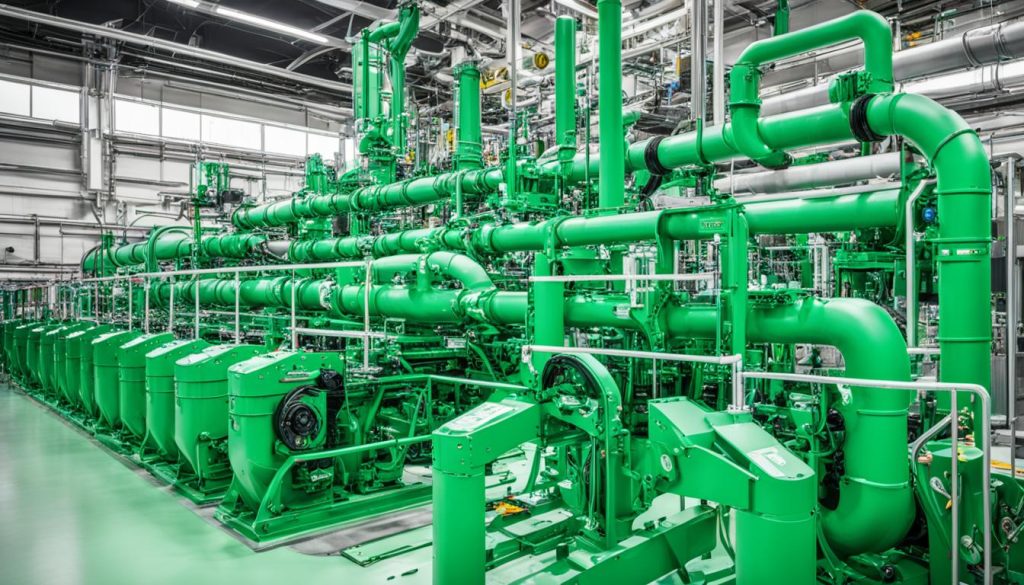
Industrial Symbiosis in Green Manufacturing
In the realm of Green Manufacturing, industrial symbiosis plays a crucial role in promoting resource sharing and waste exchange among different industries or companies. By recognizing the potential synergies and collaborating to optimize resource utilization, manufacturers can effectively reduce waste, lower costs, and enhance overall sustainability.
Industrial symbiosis operates under the principle that one company’s waste can be another’s valuable resource. Through strategic collaborations and partnerships, manufacturers can establish a network where one company’s waste product becomes another’s raw material. This exchange of resources not only minimizes the amount of waste sent to landfills but also reduces the need for virgin materials and lowers the environmental impact.
Resource sharing in industrial symbiosis offers various advantages to participating companies. By utilizing shared resources, manufacturers can enhance their operational efficiency, reduce production costs, and improve their bottom line. Additionally, industrial symbiosis facilitates the circular economy approach, which focuses on extending the lifespan of products and materials, promoting reuse and recycling, and minimizing the use of finite resources.
“The strength and effectiveness of industrial symbiosis lie in the collaborative relationships established between different stakeholders,” explains Dr. Emma Green, a sustainability expert at Green Solutions Co. “Through open communication, knowledge sharing, and collective problem-solving, participating companies can identify new opportunities, optimize their resource utilization, and contribute to a more sustainable manufacturing ecosystem.”
One prominent example of industrial symbiosis is the Kalundborg Eco-industrial Park in Denmark. Established in the 1960s, this park exemplifies the successful implementation of resource sharing and waste exchange principles. It features a network of interconnected companies that exchange heat, power, water, and various by-products, creating a highly efficient and sustainable production system.
Case Study: The Kalundborg Eco-industrial Park
| Company | Resource Shared | Resource Received |
|---|---|---|
| Novo Nordisk | Wastewater | Steam and cooling water |
| Statoil Refinery | Waste sulfur | Steam |
| Asnæs Power Plant | Air pollution | Steam |
The Kalundborg Eco-industrial Park showcases how industrial symbiosis can create a mutually beneficial relationship between diverse industries, fostering environmental sustainability and promoting economic growth. By exchanging resources that would otherwise be discarded, participating companies achieve significant cost savings, reduce their environmental footprint, and contribute to a more circular economy.
Industrial symbiosis plays a pivotal role in advancing the principles of Green Manufacturing. By embracing this concept and actively participating in resource sharing and waste exchange, manufacturers can realize the benefits of a more sustainable and efficient production system.
Sustainable Manufacturing Practices in Green Manufacturing
Sustainable manufacturing practices are at the core of Green Manufacturing. These practices encompass a wide range of eco-friendly techniques aimed at reducing the environmental impact of manufacturing processes. By integrating these practices into their operations, companies can achieve sustainable production and contribute to the principles of Green Manufacturing.
One key aspect of sustainable manufacturing is the use of renewable energy sources. By transitioning to clean energy sources such as solar or wind power, companies can significantly reduce their carbon footprint and dependence on fossil fuels. This not only helps combat climate change but also offers long-term cost savings.
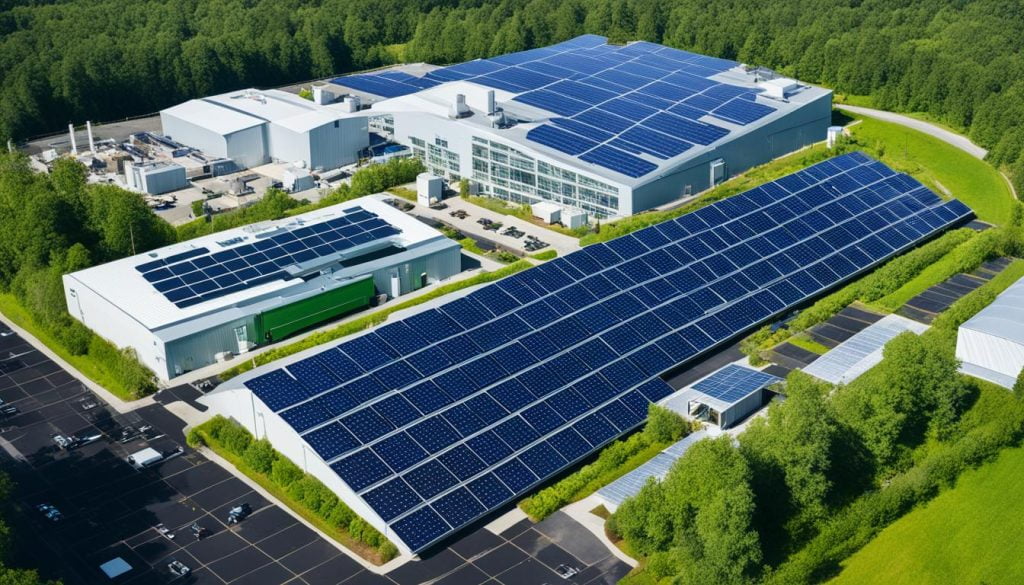
Implementing waste reduction strategies is another critical practice in sustainable manufacturing. By optimizing processes and adopting circular economy principles, companies can minimize waste generation and maximize resource efficiency. This includes practices such as recycling, reusing materials, and implementing closed-loop systems to reduce waste sent to landfills.
Adopting clean technologies is also essential in sustainable manufacturing. This involves investing in energy-efficient machinery, using low-emission technologies, and implementing advanced manufacturing processes to minimize environmental impact. By utilizing the latest technological innovations, companies can reduce energy consumption while maintaining productivity.
Promoting the use of sustainable materials is another vital aspect of sustainable manufacturing practices. This includes sourcing raw materials from eco-friendly suppliers and using materials that are recyclable, biodegradable, or made from renewable resources. By prioritizing sustainable materials, companies can contribute to a greener value chain while meeting consumer demands for eco-friendly products.
Incorporating sustainable manufacturing practices not only benefits the environment but also provides companies with a competitive advantage. Consumers are becoming increasingly conscious of the environmental impact of their purchases, and businesses that prioritize sustainable manufacturing techniques can attract and retain environmentally conscious customers.
“Implementing sustainable manufacturing practices is crucial for companies to achieve long-term success while minimizing their environmental footprint.”
To illustrate the impact of sustainable manufacturing practices, consider the following table:
| Benefits of Sustainable Manufacturing | Environmental Impact | Cost Savings | Competitive Advantage |
|---|---|---|---|
| Reduced carbon emissions | Lower energy and resource consumption | Efficiency gains | Attract environmentally conscious customers |
| Minimized waste generation | Conserved natural resources | Waste reduction costs | Enhanced brand reputation |
| Promoted circular economy | Improved sustainability performance | Lower operational costs | Access to eco-label certifications |
“By implementing sustainable manufacturing practices, companies can achieve a range of benefits, including reduced environmental impact, cost savings, and a competitive advantage in the market.”
Benefits of Green Manufacturing
Embracing the principles of Green Manufacturing can bring a multitude of benefits to companies, contributing to their long-term success and sustainability goals. By implementing green manufacturing practices, companies can enjoy the following advantages:
- Improved Environmental Sustainability: Green manufacturing enables companies to reduce their environmental impact by adopting eco-friendly production techniques. By minimizing waste generation, carbon emissions, and energy consumption, companies can contribute to a cleaner and healthier environment.
- Reduced Energy and Resource Consumption: Green manufacturing focuses on optimizing energy and resource usage. By incorporating energy-efficient technologies, companies can lower their energy consumption and, in turn, reduce costs while preserving valuable resources.
- Cost Savings through Efficiency and Waste Reduction: Implementing green manufacturing practices can lead to significant cost savings. By identifying and eliminating inefficiencies in production processes and reducing waste generation, companies can streamline operations and enhance their profitability.
- Competitive Advantage in Attracting Environmentally Conscious Customers: In today’s market, consumers are increasingly concerned about the environmental impact of the products they purchase. By embracing green manufacturing, companies can differentiate themselves by appealing to environmentally conscious customers who prioritize sustainability.
To visually illustrate the benefits of green manufacturing, refer to the following table:
| Benefits of Green Manufacturing | Description |
|---|---|
| Improved Environmental Sustainability | Minimize environmental impact through eco-friendly production techniques. |
| Reduced Energy and Resource Consumption | Optimize energy and resource usage to reduce costs and preserve resources. |
| Cost Savings through Efficiency and Waste Reduction | Streamline operations and increase profitability by eliminating inefficiencies and reducing waste generation. |
| Competitive Advantage | Attract environmentally conscious customers by demonstrating a commitment to sustainability. |
Challenges in Implementing Green Manufacturing
While Green Manufacturing presents numerous opportunities, it also comes with its challenges. Implementing green manufacturing practices may require significant changes in processes, technologies, and organizational culture. Overcoming resistance to change, addressing technological barriers, and building a sustainability-focused mindset among employees are some of the key challenges faced by companies in the journey towards green manufacturing.
Change Management
Implementing green manufacturing practices often involves a shift from traditional production methods to more sustainable approaches. This transition can be met with resistance from employees who are accustomed to existing systems and processes. Change management becomes crucial to ensure smooth adoption of green manufacturing practices. Companies need to communicate the benefits of sustainability, provide training and resources for employees, and encourage active participation in the change process.
Technological Barriers
One of the key challenges in implementing green manufacturing is the presence of technological barriers. Adopting new technologies or upgrading existing infrastructure to incorporate eco-friendly practices can be costly and complex. Companies need to identify suitable technologies, evaluate their feasibility and compatibility with existing systems, and develop implementation plans to overcome these barriers. Collaboration with technology providers and industry experts can help navigate the technical challenges associated with green manufacturing.
Building a Sustainability-Focused Mindset
Green manufacturing requires a shift in mindset, not only at the organizational level but also among individual employees. Building a sustainability-focused mindset involves creating awareness and fostering a culture that values environmental responsibility. This can be achieved through training programs, employee engagement initiatives, and recognition of sustainability efforts. By instilling a sustainability-focused mindset, companies can drive continuous improvement and innovation in green manufacturing practices.
“The challenges in implementing green manufacturing are significant, but they are not insurmountable. By addressing change management, technological barriers, and building a sustainability-focused mindset, companies can overcome these challenges and reap the benefits of a greener, more sustainable manufacturing process.”
Conclusion
Green Manufacturing is a comprehensive approach that integrates sustainable production practices, eco-friendly manufacturing techniques, and environmental manufacturing guidelines. By embracing these principles, your company can enhance its sustainability efforts, reduce its environmental footprint, and pave the way for long-term business success.
Through the implementation of green manufacturing practices, you can make a significant contribution to creating a more sustainable future. By prioritizing sustainable sourcing, responsible procurement, and reducing your carbon emissions, you can minimize the negative impact on the environment and promote a cleaner, greener manufacturing process.
By adopting energy-efficient technologies, optimizing power demand management, and implementing product service systems, you can reduce energy consumption, minimize waste, and support the principles of circular economy. These initiatives not only contribute to environmental sustainability but also offer cost savings and a competitive advantage in attracting environmentally conscious consumers.
By embracing the principles of green manufacturing, your company can play a vital role in preserving natural resources, reducing pollution, and fostering a more sustainable economy. By prioritizing sustainability and integrating eco-friendly practices into your manufacturing processes, you can achieve both your business goals and contribute to creating a greener and more prosperous future.
FAQ
What are the principles of Green Manufacturing?
The principles of Green Manufacturing involve a comprehensive systems approach to evaluate and improve manufacturing processes from a green perspective.
How does the supply chain contribute to Green Manufacturing?
The supply chain plays a crucial role in ensuring sustainable sourcing and responsible procurement practices.
How can environmental impact be reduced in Green Manufacturing?
Environmental impact can be reduced through minimizing carbon emissions, waste generation, and energy consumption.
What is power demand management in Green Manufacturing?
Power demand management involves reducing energy consumption and promoting energy-efficient practices.
What are product service systems in Green Manufacturing?
Product service systems focus on extending the product lifecycle and promoting a circular economy.
What is industrial symbiosis in Green Manufacturing?
Industrial symbiosis promotes resource sharing and waste exchange between different industries or companies.
What are sustainable manufacturing practices in Green Manufacturing?
Sustainable manufacturing practices encompass eco-friendly techniques such as using renewable energy sources and implementing waste reduction strategies.
What are the benefits of Green Manufacturing?
Green Manufacturing offers benefits such as improved environmental sustainability, reduced energy and resource consumption, and cost savings.
What are the challenges in implementing Green Manufacturing?
Challenges include resistance to change, addressing technological barriers, and building a sustainability-focused mindset among employees.
What is the significance of Green Manufacturing?
Green Manufacturing is a holistic approach that promotes sustainable production practices and contributes to a more sustainable future.