Did you know that by 2028, 4.6 million manufacturing jobs in the United States will need to be filled? This staggering statistic highlights the tremendous demand for skilled workers in the manufacturing industry. As technology advances and the industry evolves, it is crucial to develop a workforce equipped with the necessary skills to thrive in this changing landscape.
Workforce development in manufacturing entails proactively addressing the skills gap, attracting and retaining qualified workers, and implementing effective training and development programs. In this article, we will explore the trends, demographics, and programs related to workforce development in manufacturing. We will also discuss the role of organizations like Manufacturing USA and the MEP National Network in shaping the future of the manufacturing workforce.
Key Takeaways:
- By 2028, 4.6 million manufacturing jobs will need to be filled in the United States.
- Workforce development plays a crucial role in addressing the skills gap and preparing for the future of manufacturing.
- Manufacturing USA and the MEP National Network are important organizations driving workforce development initiatives in the industry.
- Training and development programs, recruitment strategies, and employee engagement are key elements in workforce development.
- Creating a positive workplace culture is crucial for becoming an employer of choice in manufacturing.
The Role of Manufacturing USA in Workforce Development
Manufacturing USA is a network of institutes that plays a significant role in workforce development in the manufacturing industry. These institutes are committed to defining the skills and training needed to meet the evolving needs of manufacturing. By collaborating with educational institutions and industry partners, they create interest in manufacturing careers and equip workers with the necessary skills.
One key aspect of Manufacturing USA’s workforce development initiatives is the use of online learning programs. These programs offer competency-based and flexible learning options, allowing workers, students, and educators to engage in skills development at their own pace.
The online learning initiatives by Manufacturing USA have been highly successful, attracting thousands of participants. By leveraging the power of technology, these initiatives contribute to advancements in the U.S. manufacturing sector and enhance its competitiveness in the global market.
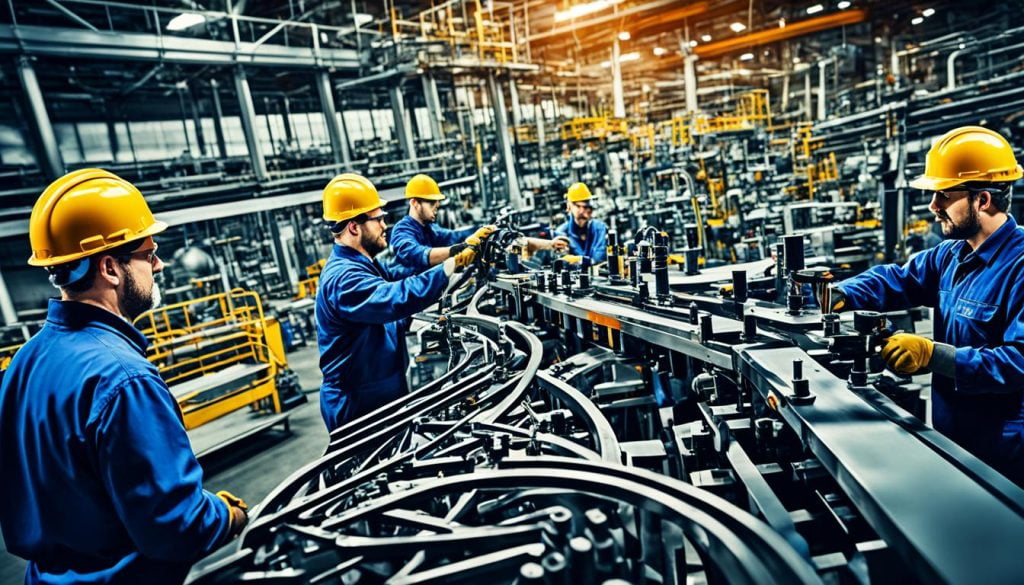
Image: Manufacturing USA’s workforce development initiatives are driving innovation and competitiveness in the manufacturing sector.
Addressing the Manufacturing Skills Gap
The manufacturing industry is facing a significant skills gap, hindering the ability to attract and retain qualified workers. This gap is attributed to several factors, including an aging workforce, changing skill requirements driven by advanced technology, a lack of awareness among students and parents about manufacturing careers, and outdated talent management processes. To overcome these challenges, manufacturers need to prioritize strengthening their talent management strategies.
One approach to address the skills gap is by implementing effective talent selection, development, and retention programs. By investing in thorough recruitment processes, manufacturers can attract qualified workers who possess the necessary skills. Furthermore, developing robust training and development programs can bridge the gap between existing skillsets and the evolving requirements of the industry.
It is crucial for manufacturers to invest in the professional development and engagement of their workforce. By providing opportunities for continuous learning and growth, manufacturers can ensure that their employees’ skills remain relevant and up-to-date. This not only enhances the overall productivity and efficiency of the workforce but also improves employee satisfaction and retention.
Additionally, manufacturers should focus on raising awareness among students and parents about the attractive career opportunities in the manufacturing industry. By actively engaging with educational institutions and participating in career fairs and outreach events, manufacturers can showcase the dynamic and rewarding nature of manufacturing careers.
“To bridge the manufacturing skills gap, manufacturers must strengthen their talent management processes and invest in the development and engagement of their workforce.”
Benefits of Strengthening Talent Management in Manufacturing
- Attracting qualified workers with relevant skills
- Retaining skilled employees and reducing turnover rates
- Ensuring the workforce is equipped with the latest skill requirements
- Increasing productivity and efficiency through continuous learning and development
- Creating a positive work environment and enhancing employee satisfaction
By prioritizing talent management strategies, manufacturers can bridge the skills gap and build a skilled and motivated workforce. Strengthening talent management processes is a proactive approach to address the evolving skill requirements in the manufacturing industry and secure a competitive advantage in the market.
| Talent Management Steps | Key Actions |
|---|---|
| 1. Talent Selection | Implement robust recruitment processes, assess candidates’ skills, and align hiring with evolving skill requirements. |
| 2. Talent Development | Provide ongoing training and development opportunities, including upskilling and reskilling programs to enhance employees’ skills. |
| 3. Talent Retention | Offer attractive compensation packages, opportunities for career progression, and a supportive work environment to retain skilled employees. |
| 4. Talent Engagement | Promote employee engagement through effective communication, recognition programs, and fostering a positive company culture. |
Strengthening talent management processes is essential for manufacturers to overcome the manufacturing skills gap. By attracting and retaining qualified workers, adapting to changing skill requirements, and raising awareness about manufacturing careers, manufacturers can ensure a skilled workforce that drives innovation and success in the industry.
Workforce Services Offered by MEP National Network
The MEP National Network is committed to supporting manufacturers throughout the entire employee lifecycle by providing a wide range of comprehensive workforce services. These services are designed to address the unique needs and challenges faced by manufacturers, enabling them to build a skilled and engaged workforce for sustained success and growth.
Talent Assessment and Planning
As part of its workforce services, MEP Centers offer talent assessment and planning programs. These programs help manufacturers evaluate the skills, strengths, and development areas of their workforce. By conducting thorough assessments, manufacturers can gain valuable insights into their current talent pool, identify skill gaps, and align their workforce strategies with their business goals.
Attraction and Recruitment Strategies
Attracting top talent is crucial for manufacturers looking to build a high-performing workforce. MEP Centers assist manufacturers in developing effective attraction and recruitment strategies. They provide guidance on creating compelling job descriptions, leveraging online platforms for broader reach, and utilizing networking opportunities to connect with prospective candidates. These strategies help manufacturers attract qualified individuals who align with their organizational culture and contribute to their success.
Training and Development Programs
MEP Centers offer a variety of training and development programs tailored to the needs of manufacturers. These programs encompass both technical and soft skills training, ensuring that employees are equipped with the knowledge and capabilities required to excel in their roles. From onboarding programs for new hires to advanced technical training, MEP Centers facilitate the continuous development of the manufacturing workforce.
Employee Engagement and Retention Initiatives
Maintaining a high level of employee engagement and retention is vital for manufacturers seeking to create a stable and motivated workforce. MEP Centers support manufacturers in implementing effective employee engagement and retention initiatives. These initiatives may include employee recognition programs, ongoing communication channels, and career development opportunities. By prioritizing employee engagement and retention, manufacturers can foster a positive work environment and reduce turnover rates.
Creating an Effective Organizational Culture
An effective organizational culture is the foundation of a successful workforce. MEP Centers provide guidance on creating and nurturing an organizational culture that promotes collaboration, innovation, and continuous learning. By fostering a culture centered on respect, transparency, and shared goals, manufacturers can attract and retain top talent, driving employee productivity and organizational success.
With its comprehensive range of workforce services, the MEP National Network empowers manufacturers to optimize their workforce potential. By leveraging talent assessment and planning, attraction and recruitment strategies, training and development programs, employee engagement and retention initiatives, and creating an effective organizational culture, manufacturers can build a skilled and engaged workforce that drives productivity, innovation, and sustainable growth.
The Importance of Assessment and Planning in Workforce Development
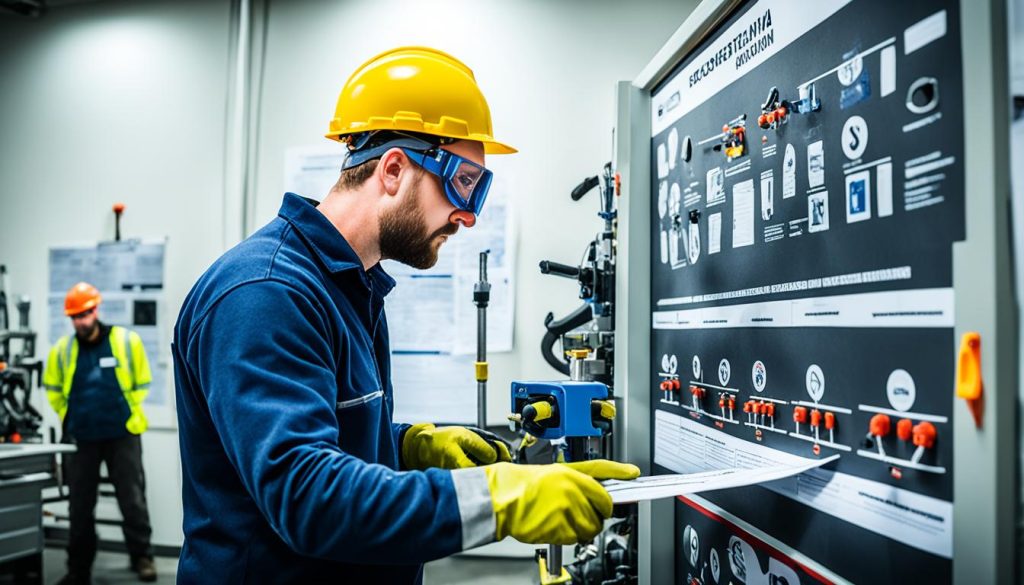
Assessment and planning play a vital role in addressing workforce challenges and improving organizational performance. By conducting formal or informal assessments, manufacturers can gain a comprehensive understanding of their goals, challenges, and gaps in terms of workforce development. This information allows them to allocate resources effectively and prioritize areas of improvement.
Through a systematic process of assessment and planning, manufacturers can identify the specific training and educational needs of their workforce, ensuring that their workforce development initiatives align with their overall organizational goals.
“Effective workforce development starts with understanding where you stand and where you want to go. Assessing your workforce and identifying the gaps is the first step towards creating a skilled and competitive workforce.”
This proactive approach enables manufacturers to bridge the skill gaps within their organization and cultivate a highly capable workforce, capable of meeting present and future industry demands. By aligning the workforce development strategies with organizational goals, manufacturers can achieve sustainable growth and remain relevant in an ever-evolving market.
Benefits of Assessment and Planning in Workforce Development
Assessment and planning bring a range of benefits to workforce development efforts, including:
- Identifying specific skill gaps and areas for improvement
- Aligning workforce development initiatives with organizational objectives
- Optimizing resource allocation for maximum impact
- Fostering a culture of continuous learning and skill development
- Improving overall organizational performance and competitiveness
A comprehensive assessment and planning process sets the foundation for successful workforce development initiatives, ensuring that manufacturers are equipped with the right skills, knowledge, and resources to thrive in a rapidly changing industry.
TABLE
| Challenges | Goals | Gaps |
|---|---|---|
| Lack of skilled workers | Develop a highly capable workforce | Technical skills, leadership development |
| Rapidly evolving technology | Stay ahead of industry trends | Knowledge of emerging technologies |
| Inadequate training programs | Enhance employee competencies | Effective on-the-job training |
Strategies for Attraction and Recruitment in Manufacturing
Recruitment is a critical aspect of workforce development in the manufacturing industry. However, manufacturers often face challenges in attracting suitable candidates for their open positions. To overcome these challenges and find the right talent, several strategies can be implemented:
- Developing a Hiring Plan: It is essential for manufacturers to create a comprehensive hiring plan that outlines the specific job requirements, desired skills, and qualifications. This plan will serve as a roadmap for recruitment activities and help ensure that the right candidates are identified and hired.
- Creating Compelling Job Postings: Job postings play a crucial role in attracting potential candidates. Manufacturers should craft engaging and informative job descriptions that highlight the benefits of working for their company, such as career advancement opportunities, competitive compensation, and a positive work environment.
- Organizing Recruitment Activities: Manufacturers can organize recruitment activities such as job fairs, career expos, and networking events to connect with potential candidates. These activities provide an opportunity to showcase the company’s culture, values, and available job opportunities.
- Identifying Apprenticeship Opportunities: Apprenticeship programs are a valuable way to attract individuals who are interested in gaining hands-on experience while learning valuable skills. Manufacturers can partner with educational institutions and apprenticeship programs to create opportunities for aspiring workers.
- Leveraging Partnership Networks: Collaborating with staffing agencies, trade organizations, and community partnerships can help expand the candidate pool. These networks have access to a wide range of potential candidates and can assist in finding suitable matches for the available positions.
By adopting these strategies, manufacturers can improve their recruitment efforts and attract qualified candidates to join their workforce, addressing the challenges posed by talent shortages and ensuring the growth and success of their organizations.
Sample Hiring Plan
| Step | Description |
|---|---|
| Identify Job Requirements | Define the necessary skills, qualifications, and experience for the position. |
| Develop Job Description | Create a compelling job description that accurately reflects the position’s responsibilities and expectations. |
| Determine Recruitment Channels | Decide which channels, such as job boards, social media, or industry-specific platforms, will be used to advertise the job opening. |
| Review Applications and Resumes | Screen the received applications and resumes to identify potential candidates. |
| Conduct Interviews | Perform interviews with the selected candidates to assess their suitability for the role. |
| Check References | Reach out to provided references to verify the candidate’s qualifications and work history. |
| Make a Job Offer | Contact the selected candidate and extend a job offer. |
| Onboarding and Training | Ensure a smooth transition for the new hire by providing comprehensive onboarding and training. |
Training and Development Programs in Manufacturing
Training and development programs are essential for equipping manufacturing workers with the skills they need to excel in their roles. MEP Centers offer a range of training programs that cater to both new employees and current workers.
- Onboarding process: MEP Centers provide comprehensive onboarding processes for new employees, ensuring a smooth transition into the manufacturing environment. This includes familiarizing employees with company policies, safety procedures, and their specific roles and responsibilities.
- Skills development: MEP Centers offer various skills development programs to enhance the capabilities of existing workers. These programs focus on both basic workplace skills and technical competencies.
- Basic workplace skills: Training programs cover essential skills such as effective communication, problem-solving, time management, and teamwork. These skills contribute to a productive and harmonious work environment.
- Technical skills: MEP Centers provide training in technical areas relevant to manufacturing, such as blueprint reading, equipment operation, quality control, and process improvement methodologies. Workers gain the knowledge and expertise needed to perform their roles effectively and contribute to operational efficiency.
Through these training and development programs, manufacturing workers can continuously enhance their skills and keep pace with industry advancements, contributing to their individual growth and the overall success of the manufacturing sector.
Employee Engagement and Retention Strategies in Manufacturing
Engaging and retaining employees is vital for maximizing productivity and reducing turnover in the manufacturing industry. To create a positive workplace culture and position themselves as employers of choice, manufacturers can implement a range of employee engagement and retention strategies.
One effective strategy is conducting employee engagement surveys to assess the level of employee satisfaction and identify areas for improvement. These surveys provide valuable insights into the workforce’s perception of their work environment, leadership, and overall job satisfaction. Based on the survey results, manufacturers can develop targeted action plans to address concerns and enhance employee engagement.
In addition to surveys, implementing compensation and recognition systems is crucial for retaining top talent. Offering competitive salaries, performance-based bonuses, and comprehensive benefits packages demonstrates the company’s commitment to rewarding employee contributions. Recognizing employees’ achievements and milestones through formal recognition programs further boosts motivation and loyalty.
Creating clear career pathways is another key aspect of employee engagement and retention. By providing opportunities for professional growth and advancement, manufacturers can retain employees who are seeking long-term career development. Career pathways can include opportunities for upskilling and reskilling, mentorship programs, and sponsorship for further education or certifications.
A strong teamwork culture also plays a vital role in employee retention. Encouraging collaboration and fostering a sense of camaraderie among team members leads to increased job satisfaction and loyalty. Manufacturers can promote teamwork culture by implementing team-building activities, facilitating cross-functional projects, and encouraging open communication and idea-sharing among employees.
Lastly, emphasis on building a learning organization can significantly impact employee engagement and retention. Offering continuous learning and development opportunities ensures that employees can acquire new skills and stay up-to-date with industry advancements. Manufacturers can provide training programs, workshops, and access to online learning platforms to foster a culture of learning and growth.
Employee Engagement and Retention Strategies in Manufacturing:
- Conduct employee engagement surveys to assess satisfaction levels and identify areas for improvement.
- Implement compensation and recognition systems to reward and motivate employees.
- Create clear career pathways to support professional growth and advancement.
- Promote a teamwork culture through team-building activities and cross-functional projects.
- Build a learning organization by offering continuous learning and development opportunities.
By implementing these strategies, manufacturers can foster a positive and engaging work environment, resulting in a motivated and loyal workforce.
Becoming an Employer of Choice in Manufacturing
Creating a positive workplace culture is crucial for becoming an employer of choice in the manufacturing industry. An employer of choice is an organization that is highly regarded and sought after by top talent. To achieve this status, manufacturers can collaborate with MEP Centers to develop effective talent management strategies that encompass all stages of the employee lifecycle.
To start, assessment and planning are key components in building a positive workplace culture. By conducting thorough assessments, manufacturers can identify their strengths, weaknesses, and areas for improvement. This information can guide the development of targeted strategies to attract and retain the right talent.
Attraction and Recruitment
Attracting top talent begins with a strong employer brand and recruitment process. Manufacturers should highlight their positive workplace culture, career development opportunities, and employee benefits. Utilizing MEP Centers’ expertise, manufacturers can create compelling job postings and leverage their industry partnerships to promote opportunities. This approach helps establish a reputation as an employer of choice and ensures the right candidates are drawn to the organization’s values and offerings.
Training and Development
Investing in the training and development of employees is crucial for building organizational excellence and positive workplace culture. By offering continuous learning opportunities, manufacturers demonstrate their commitment to employee growth and professional advancement. MEP Centers can provide access to industry-specific training programs and resources that enhance the skills of the workforce, contributing to a positive culture of continuous improvement.
Employee Engagement and Retention
Engaging and retaining employees is vital for maintaining a positive workplace culture and reducing turnover. Manufacturers can implement employee engagement surveys to gather feedback and insights, allowing them to address areas for improvement and recognize exceptional performance. Additionally, developing compensation and recognition systems, creating clear career pathways, fostering a teamwork culture, and building a learning organization contribute to employee satisfaction and long-term retention.
Organizational Reputation
The reputation of the organization is a crucial factor in attracting top talent. Manufacturers should focus on building a positive organizational reputation by prioritizing employee satisfaction, professional development, and work-life balance. By showcasing their commitment to creating a supportive and rewarding working environment, manufacturers position themselves as sought-after employers in the industry.
Attributes of an Employer of Choice
| Attribute | Description |
|---|---|
| Positive Workplace Culture | A supportive and inclusive environment that values employee well-being and fosters collaboration. |
| Talent Management | Effective strategies for attracting, developing, and retaining top talent. |
| Organizational Reputation | A positive image and strong reputation in the industry. |
| Continuous Training and Development | Ongoing learning opportunities to enhance employee skills and professional growth. |
Becoming an employer of choice in the manufacturing industry requires a strategic focus on creating a positive workplace culture, implementing effective talent management strategies, and building a strong organizational reputation. By working closely with MEP Centers and leveraging their expertise, manufacturers can attract and retain top talent, positioning themselves as industry leaders in workforce development.
Job Quality in Manufacturing
When it comes to attracting and retaining a highly skilled manufacturing workforce, job quality is a crucial factor. It encompasses various elements that contribute to employees’ overall employment experience, including workplace safety, skills building, advancement opportunities, and work-life balance.
Manufacturing Extension Partnership (MEP) Centers understand the importance of job quality and have developed the Job Quality Toolkit to help manufacturers identify and improve the drivers of job quality within their organizations. This toolkit provides valuable resources and guidance for enhancing employee satisfaction, engagement, and overall job performance.
One key aspect of job quality is workplace safety. Safe working conditions not only protect employees from harm but also instill confidence and trust. Manufacturers can ensure workplace safety by implementing robust safety protocols, providing proper training, and fostering a culture of safety throughout the organization.
The development of employee skills is another critical component of job quality. By offering skills-building programs and training opportunities, manufacturers empower their workforce to pursue professional growth and excel in their roles. This not only benefits individual employees but also enhances the overall competitiveness of the organization.
Advancement opportunities are essential for attracting and retaining top talent. When employees see a clear path for career progression, they are more likely to remain engaged and committed to their work. Manufacturers can create advancement opportunities by implementing career development programs, mentorship initiatives, and performance-based promotions.
Work-life balance is increasingly valued by employees and plays a significant role in job satisfaction. Striking a healthy balance between work responsibilities and personal life is crucial for employee well-being and productivity. Manufacturers can support work-life balance by offering flexible work arrangements, promoting wellness programs, and fostering a supportive and inclusive work environment.
The Job Quality Toolkit provided by MEP Centers helps manufacturers enhance job quality, leading to improved employee satisfaction, engagement, and overall job performance.
By prioritizing job quality in manufacturing, organizations can create a positive and fulfilling workplace experience for their employees. This, in turn, enhances recruitment and retention efforts, fosters a culture of innovation and continuous improvement, and ultimately drives the success and growth of the manufacturing industry as a whole.
The Role of the Advanced Manufacturing Workforce Development Council
The Advanced Manufacturing Workforce Development Council in California plays a crucial role in developing workforce strategies to propel the state’s manufacturing economy. The Council focuses on innovative businesses, technological solutions, and highly skilled workers.
The Council collaborates with businesses and educational institutions to identify and address the workforce needs of the advanced manufacturing sector. By working together, they create industry-specific training programs and initiatives that equip workers with the necessary skills to thrive in a rapidly evolving industry.
One of the key objectives of the Council is to promote collaboration and partnership between industry and education. This collaboration ensures that the education and training provided align with the demands of the manufacturing sector, creating a pipeline of skilled workers who are ready to contribute to the success of advanced manufacturing companies.
The Council also plays a significant role in the development and recognition of industry-recognized certifications in fields such as welding, machining, and engineering. These certifications not only validate the skills and knowledge of workers but also provide a standardized benchmark for employers when hiring and promoting talent.
Through its initiatives, the Advanced Manufacturing Workforce Development Council contributes to the creation of a highly skilled workforce in California. By investing in the development and training of workers, the Council helps drive economic growth and ensures that the manufacturing industry remains competitive in the global market.
Conclusion
Workforce development is paramount to the success of the manufacturing industry. To bridge the skills gap, attract and retain qualified workers, and foster innovation, manufacturers must prioritize talent management strategies. By collaborating with organizations like the MEP National Network and Manufacturing USA, manufacturers gain access to a wealth of resources and expertise in workforce development.
Investing in the training, development, and engagement of their workforce allows manufacturers to thrive in an ever-evolving industry and drive economic growth. With the support of the MEP National Network, manufacturers can assess and plan their workforce needs, attract and recruit talented individuals, provide essential training and development programs, and implement strategies for employee engagement and retention. The Manufacturing USA network further amplifies these efforts by defining new careers, retraining and upskilling the workforce, and attracting STEM talent.
By recognizing the importance of talent management and collaborating with industry organizations, manufacturers can address the challenges they face and capitalize on the opportunities presented by workforce development in manufacturing. Building a skilled and motivated workforce not only ensures the long-term growth and sustainability of the manufacturing industry but also contributes to the overall economic prosperity of the nation.
FAQ
What is workforce development in manufacturing?
Workforce development in manufacturing refers to the efforts and initiatives aimed at attracting, training, and retaining a skilled workforce to meet the evolving needs of the manufacturing industry. It encompasses strategies such as skills training programs, talent management, recruitment, and employee engagement.
Why is workforce development important in manufacturing?
Workforce development is crucial in manufacturing because it helps fill job openings, prepares for future industry needs, and ensures the continued growth and competitiveness of the manufacturing sector. By investing in the development of workers’ skills and abilities, manufacturers can adapt to technological advancements and stay ahead in an ever-evolving industry.
What are some workforce development programs in manufacturing?
There are various workforce development programs in manufacturing, such as those offered by Manufacturing USA and the MEP National Network. These programs focus on defining new careers in automation, retraining and upskilling the current workforce, attracting STEM talent, offering online learning programs, and providing customized workforce services tailored to the specific needs of manufacturers.
How does the MEP National Network support workforce development in manufacturing?
The MEP National Network offers a range of workforce services to support manufacturers at all stages of the employee lifecycle. These services include talent assessment, attraction and recruitment strategies, training and development programs, employee engagement and retention initiatives, and creating an effective organizational culture. MEP Centers within the Network can customize these programs to meet the specific needs of manufacturers in their regions.
What is the role of assessment and planning in workforce development?
Assessment and planning play a crucial role in addressing workforce challenges and improving organizational performance. By conducting formal or informal assessments, manufacturers can gain a comprehensive understanding of their workforce goals, challenges, and gaps. This information allows them to allocate resources effectively and prioritize areas of improvement, ensuring that their workforce development initiatives align with their overall organizational goals.
How can manufacturers address the skills gap in the workforce?
To address the skills gap, manufacturers need to focus on strengthening their talent management strategies. This includes building effective programs to select, develop, and retain talent, as well as investing in the professional development and engagement of all employees. By prioritizing talent management, manufacturers can overcome the skills gap and ensure a skilled and motivated workforce.
What strategies can be used to attract and recruit qualified workers in manufacturing?
To attract and recruit qualified workers in manufacturing, manufacturers can collaborate with organizations like MEP Centers to develop hiring plans, create compelling job postings, organize recruitment activities, and identify apprenticeship opportunities. They can also leverage partnerships with staffing agencies and other organizations to expand the candidate pool and improve recruitment efforts.
What kind of training and development programs are available in manufacturing?
Manufacturing training and development programs cover various aspects, from basic workplace skills such as effective communication and problem-solving to technical skills like blueprint reading and process improvement methodologies. They also include leadership development training for supervisors and managers. Some programs, like Training within Industry (TWI), are designed to quickly train new employees and enhance productivity.
How can manufacturers improve employee engagement and retention?
Manufacturers can improve employee engagement and retention by implementing employee engagement surveys, developing compensation and recognition systems, creating career pathways, fostering a teamwork culture, and building a learning organization. These strategies contribute to increased job satisfaction, motivation, and retention among manufacturing employees.
How can manufacturers create a positive workplace culture?
Manufacturers can collaborate with organizations like MEP Centers to develop effective talent management strategies that encompass all stages of the employee lifecycle. By focusing on assessment and planning, attraction and recruitment, training and development, and employee engagement and retention, manufacturers can create a positive workplace culture and position themselves as employers of choice.
What is the role of the Advanced Manufacturing Workforce Development Council?
The Advanced Manufacturing Workforce Development Council in California plays a crucial role in developing workforce strategies to support the state’s manufacturing economy. The Council focuses on promoting innovative businesses, technological solutions, and highly skilled workers. It mobilizes regional collaborations, achieves regional braiding of resources, and leverages partnerships to train and educate individuals in advanced manufacturing.
How can manufacturers improve job quality in manufacturing?
Manufacturers can improve job quality by prioritizing workplace safety, providing opportunities for skills building, offering advancement opportunities, and promoting work-life balance. MEP Centers can assist in identifying and improving the drivers of job quality that are crucial to employees’ overall employment experience, resulting in increased satisfaction, engagement, and job performance.