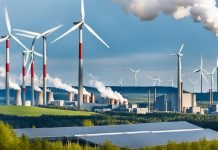
The interconnection between manufacturing and the economy cannot be overstated. Historically, it has been the bedrock on which nations build their wealth, and today, its influence stretches beyond factory walls, shaping the very fabric of economic development. With each product crafted and every innovation pioneered, manufacturing etches a deeper mark on global economic landscapes. It’s your understanding of this sector’s role that sheds light on the boundless possibilities for growth, signaling the profound importance of manufacturing in economic development.
As manufacturing sectors surge with activity, they blazon a trail of growth indicators, a harbinger of financial prosperity. The economic impact of manufacturing is multifaceted, extending from the industrial heartbeat of job creation to catalyzing monumental advancements in technology. With its unparalleled capacity to generate employment and drive innovation, manufacturing continues to be a leading force in sculpting robust economies and cementing a nation’s competitive stature on the world stage.
Key Takeaways
- Manufacturing is a critical contributor to a country’s GDP and overall economic health.
- Job creation in manufacturing spans from on-the-floor production to the tech-savvy frontiers.
- Technological advancements in manufacturing are central to economic innovation and progression.
- The manufacturing sector’s growth is a decisive factor in global economic competitiveness.
- A sound understanding of manufacturing can illuminate pathways to economic resilience and opportunity.
Exploring the Economic Impact of Manufacturing
The manufacturing sector stands as a fundamental contributor to the economic tapestry, continuously shaping societal growth and financial stability across the globe. By delving deep into its multifaceted impact, you become privy to its substantial influence on GDP, the abundant job prospects it forges, and its pervasive role in fortifying related industries.
Understanding the Manufacturing Sector’s Contribution to GDP
As the backbone of economic health, the manufacturing sector often embodies a significant slice of a country’s GDP. This relationship between manufacturing and robust economies is conspicuous within industrialized nations where innovation and mass production converge to bolster financial solidity. The direct correlation between a flourishing manufacturing sector and economic growth is an evident indicator of the sector’s importance.
Assessing Employment Opportunities Stemming from Manufacturing
Not only is the manufacturing realm a juggernaut in economic terms, but it also emerges as a vital source of employment. With each stride in manufacturing sector growth, new avenues open for job creation spanning from the factory floor to research and development labs. A diverse array of positions offers people at different skill levels access to the workforce, substantially decreasing unemployment figures and fostering expansive socioeconomic development.
The Ripple Effect of Manufacturing on Other Industries
Perhaps one of the most profound influences of the manufacturing industry is its widespread ripple effect that transcends beyond its immediate realm. This sector exerts a potent force that reverberates through supply chains, influencing numerous related fields, including raw materials, technology, and service industries. By catalyzing advancements and offering stability, manufacturing doesn’t just benefit its own domain but invigorates the economy at large, marking its irrefutable significance.
Conclusively, as you traverse the expanse of the manufacturing landscape, the undeniable economic impact of manufacturing becomes apparent through its galvanizing effect on GDP, its potent abilities in manufacturing job creation, and its extensive influence on both direct and ancillary sectors. The evolution of manufacturing stands as a testament to its ingrained role in not just business success, but also in the overall economic advancement and resilience of a nation.
Global Manufacturing Landscape and its Transformation
The global manufacturing landscape is in the midst of an unparalleled transformation, reflecting broader manufacturing industry trends and a shifting economic axis. As you navigate through this evolving terrain, being well-informed about these changes is not just beneficial—it’s imperative. Inherent in this transformation are the drivers of innovation and economic dynamics that are fundamentally reshaping the production and supply map worldwide.

Regions around the globe are experiencing growth at differing paces, with some surging ahead as emerging markets while others are witnessing a relative decline in their manufacturing capabilities. It’s these emerging markets that are often the most agile, embracing new technologies and sustainability practices with an enthusiasm that ensures their ascent in the global manufacturing landscape.
Digital transformation has been pivotal, with digitization and the integration of sustainable practices into manufacturing processes becoming increasingly prevalent. These trends are not just about technological upgrades; they reflect a deeper commitment to efficiency, waste reduction, and responsible production.
“Manufacturing is no longer just about production. Today’s landscape is also about innovation, sustainability, and seamlessly responding to market demands.”
Moreover, geopolitical events continue to significantly affect global production and distribution networks. Tariffs, trade agreements, and political unrest can impede or accelerate growth in various regions, making a thorough analysis of these factors critical for any manufacturing strategy.
- Sustainability in manufacturing practices
- The digital revolution and Industry 4.0
- Geopolitical and economic impacts on trade and distribution
While these industry-wide perturbations present challenges, they also offer a canvas of opportunity for those who are prepared. Staying abreast of the latest manufacturing industry trends and understanding how they impact the global manufacturing landscape empowers you to anticipate shifts and position yourself advantageously in the market.
Manufacturing Sector Growth and Investment Trends
As we delve into the present dynamics of the manufacturing industry, it’s clear that the sector isn’t just expanding; it’s evolving in response to new technological advancements and investment strategies. Keeping pace with the current trajectory requires an acute awareness of the manufacturing industry trends that are setting the stage for future growth.
Analyzing Recent Manufacturing Industry Trends
The resurgence of the manufacturing sector is largely attributable to its willingness to embrace innovation. With cutting-edge technologies becoming more accessible, manufacturing processes are being reimagined—transforming everything from factory floor operations to supply chain management. Industries that stay ahead of these trends tend to outperform their competitors, earmarking themselves as pioneers of the modern manufacturing era.
The Role of Technology and Innovation in Manufacturing Growth
Within this technological renaissance, the incorporation of automation and artificial intelligence stands out as a significant force for change. The infusion of IoT devices and advanced analytics into everyday manufacturing operations has led to an unprecedented increase in productivity, all while ensuring the delivery of high-quality products with greater efficiency.
Investment Patterns and Their Effect on Manufacturing Viability
Investment trends reflect a burgeoning confidence in the sector’s long-term prosperity. The marriage between venture capital and strategic partnerships is creating a fertile ground for continuous innovation. This investment in manufacturing not only fortifies existing enterprises but also paves the way for new ventures to emerge and thrive.
| Year | Technology Adoption Rate | Investment in Manufacturing (USD) | Sector Growth (%) |
|---|---|---|---|
| 2020 | Medium | $500 million | 3.5% |
| 2021 | High | $750 million | 4.2% |
| 2022 | Very High | $1 billion | 5.0% |
The provided table showcases a clear correlation between the increased rates of technology adoption and the rising levels of investment, which in turn contribute to the overall growth of the manufacturing sector. It is evident that to remain competitive and relevant, stakeholders must remain astutely aware of these changes and adapt with strategic precision.
Manufacturing Output Statistics and Performance Metrics
As you delve into the manufacturing output statistics and performance metrics in manufacturing, you are tapping into the vital signs of an industry’s health and progress. Updated statistical data not only reflect production dynamics but also serve as a compass for business strategy and economic policy.
Understanding these metrics is crucial for stakeholders across the spectrum, from industry leaders considering expansion plans to economists evaluating the sector’s influence on the broader economy. Let’s explore how these figures impact your comprehension of manufacturing’s role and future.

| Year | Total Manufacturing Output | Year-Over-Year Growth | Operational Efficiency |
|---|---|---|---|
| 2021 | $5.3 Trillion | 4.2% | 88% |
| 2022 | $5.6 Trillion | 5.7% | 89.5% |
| 2023 | $5.9 Trillion | 5.4% | 90.1% |
Ongoing analysis of these manufacturing output statistics reveals not just static numbers but trends and potentials. The upward momentum in yearly manufacturing output underscores the sector’s resilience and adaptability despite economic uncertainties.
- Production Volumes: These offer insights into marketplace demand and manufacturing capacity.
- Efficiency Ratings: A key measure for operational performance, higher efficiency often correlates with advanced technology adoption and process optimization.
- Yearly Growth: Consistent growth signals stability and health in manufacturing, indicating robust demand and effective management.
The data shown exemplifies how manufacturing remains a critical component of economic development, driving forward in productivity and innovation. Your ability to interpret and apply these statistics is vital for future planning and competitive edge.
Conclusion
As we draw conclusions on the interplay between manufacturing and economic dynamics, it is essential to look not only at the current state but also to the horizon, where the seeds of innovation promise to cultivate the next wave of sectoral growth. Manufacturing remains a testament to human ingenuity and its capability to adapt and thrive amidst ever-changing economic landscapes. Your grasp of this transformation will equip you with insights that transcend basic market analysis, allowing a more nuanced perspective on the sector’s trajectory.
The Future of Manufacturing: Predictions and Economic Projections
Anticipating the future, economic projections in manufacturing allude to a period marked by continuous evolution. Industry experts forecast an environment where adaptive strategies blend with cutting-edge improvements to spur manufacturing sector growth. Key variables such as consumer preferences, sustainability imperatives, and the pace of technological breakthroughs will guide the charting of new territories in manufacturing excellence, making it more than just a contributor, but a leader in the global economic expanse.
Enhancing Manufacturing Supply Chain Management for Economic Resilience
In times of volatility, the strength of a manufacturing supply chain management system can determine the steadiness of an economy. The lessons gathered from numerous industrial analyses reveal a pressing need for resilience in the face of unforeseen global challenges. By adopting more robust and versatile supply chains, manufacturing entities can ensure a sustained contribution to economic wellbeing, mitigating risks and securing the gains of industrialization for future generations.
FAQ
What is the role of manufacturing in economic development?
Manufacturing is crucial in driving economic development as it advances technology, contributes to a country’s GDP, and is a significant indicator of overall economic health. Its contributions range from job creation and technological innovation to supporting a competitive global standing.
How does the manufacturing sector contribute to GDP?
The manufacturing sector typically accounts for a considerable portion of the GDP in industrialized nations, signifying its role as a fundamental component of economic strength and stability.
What types of employment opportunities does manufacturing create?
The manufacturing sector offers a wide range of employment opportunities, from hands-on production roles to high-tech engineering and managerial positions. It plays a central role in reducing unemployment and stimulating socioeconomic growth.
Can you explain the ripple effect of manufacturing on other industries?
The ripple effect of manufacturing extends beyond the sector itself, impacting numerous other industries such as raw material suppliers, the service sector, transportation, and more. This interconnectedness amplifies the impact of manufacturing on the overall economy.
How is the global manufacturing landscape changing?
The global manufacturing landscape is experiencing a shift due to innovations, economic transformations, and market demands. This includes the growth of emerging markets, the adoption of sustainable and digitized production methods, and adjustments to geopolitical events.
What are the current trends affecting manufacturing industry growth?
Key trends driving growth in the manufacturing industry include the increasing use of advanced technologies such as automation and AI, the development of adaptive supply chains, and a focus on customer-centric production practices.
How do technology and innovation contribute to manufacturing growth?
Technology and innovation are pivotal to manufacturing growth. The integration of IoT, advanced analytics, and automation improves production capabilities, enhances quality, and increases efficiency within the sector.
How do investment patterns affect manufacturing viability?
Investment patterns, including venture capital and strategic partnerships, are essential for nurturing innovation, maintaining operational excellence, and ensuring the ongoing competitiveness and viability of the manufacturing industry.
What do manufacturing output statistics tell us?
Manufacturing output statistics provide insights into the sector’s health, momentum, and stability. By examining production volumes, efficiency ratings, and year-over-year growth, stakeholders can assess industry performance and developmental potential.
How can enhancing manufacturing supply chain management contribute to economic resilience?
Improving manufacturing supply chain management is key for economic resilience. Efficient supply chains can mitigate risks, adapt to market changes, and sustain production, thus supporting the manufacturing sector’s ability to contribute to a robust economy.