
Did you know that inaccurate demand forecasting and planning can cost businesses up to 9% in additional supply chain expenses?
Effective demand planning is a vital component of supply chain management, helping businesses optimize operations, boost revenue, and minimize costs. By accurately predicting customer demand and ensuring the right inventory levels, organizations can meet customer needs while avoiding stockouts or excess inventory.
Key Takeaways:
- Accurate demand planning is essential for meeting customer needs and minimizing supply chain costs.
- Demand planning involves predicting customer demand and ensuring the right inventory levels.
- Inaccurate demand forecasting can cost businesses up to 9% in additional supply chain expenses.
- Optimizing supply chain efficiency requires effective demand planning based on accurate forecasts and inventory management.
- Implementing best practices and advanced technologies can enhance demand planning processes and drive business growth.
What is Demand Planning?
Demand planning is the process of forecasting or predicting customer demand for products. It involves analyzing various factors such as historical data, market trends, and external influences to determine future demand. The goal of demand planning is to ensure that the right products are available at the right time to satisfy customer needs and drive customer satisfaction.
Demand planning plays a crucial role in supply chain forecasting and optimization. By accurately predicting customer demand, businesses can optimize their inventory levels, production schedules, and supply chain operations. This leads to improved customer satisfaction, reduced costs, and increased revenue.
“Demand planning is the backbone of an efficient supply chain. By anticipating future demand, businesses can make informed decisions and align their resources to meet customer needs effectively.”
Effective demand planning requires data-driven insights, collaboration across departments, and the use of advanced forecasting techniques. By analyzing historical data, market trends, and customer behavior, businesses can make more accurate demand predictions. This helps them avoid stockouts or excess inventory, leading to improved customer satisfaction and reduced costs.
Supply chain forecasting, a key component of demand planning, uses statistical models and algorithms to project future demand based on historical data. By incorporating factors like seasonality, market trends, and promotional activities, businesses can make more accurate demand predictions and optimize their supply chain operations.
Customer satisfaction is a critical aspect of demand planning. By ensuring that the right products are available when customers need them, businesses can enhance customer loyalty and maintain a competitive edge in the market.
“Demand planning is the key to customer satisfaction. By accurately predicting customer demand, businesses can ensure that products are readily available, leading to happy and loyal customers.”
By investing in demand planning processes and technologies, businesses can achieve supply chain optimization, maximize revenue, and gain a competitive advantage. From accurate demand forecasting to proactive decision-making, demand planning is an essential practice for businesses looking to drive success in today’s dynamic marketplace.
Aspects of Demand Planning
Demand planning is a multifaceted process that involves various aspects to ensure accurate forecasting and effective management of product demand. These aspects include:
Product Portfolio Management
Product portfolio management is a critical component of demand planning. It involves overseeing the lifecycle of different products and understanding how the introduction of new products may impact overall demand. By carefully managing the composition and performance of the product portfolio, businesses can align their resources and strategies to meet customer demand effectively.
Statistical Forecasting
Statistical forecasting plays a key role in demand planning by utilizing historical data and advanced algorithms to create accurate supply chain forecasts. By analyzing past trends and patterns, businesses can make informed decisions about production, inventory management, and logistics. Statistical forecasting empowers organizations to anticipate demand fluctuations and align their operations accordingly, maximizing efficiency and customer satisfaction.
Trade Promotion Management
Trade promotion management is an essential aspect of demand planning that considers how marketing events and promotions can influence product demand. By carefully planning and executing trade promotions, businesses can stimulate demand, attract new customers, and retain existing ones. Effective trade promotion management ensures that promotional activities align with demand forecasts, optimizing resource allocation and boosting sales.
By prioritizing product portfolio management, statistical forecasting, and trade promotion management, businesses can enhance their demand planning capabilities and achieve greater accuracy in predicting and fulfilling customer demand.
Importance of Demand Planning
Demand planning plays a crucial role in the success of businesses, enabling them to navigate the ever-changing landscape of market shifts and make proactive decisions. By accurately predicting customer demand, organizations can strategically allocate resources, avoid revenue loss, and maintain a competitive edge in the market.
One of the key benefits of demand planning is the prevention of revenue loss. Inaccurate demand forecasts can result in stockouts, where products are unavailable when customers want to purchase them. This leads to missed sales opportunities and a negative impact on the bottom line. On the other hand, excess inventory generated from overestimating demand ties up valuable capital and incurs additional holding costs.
“Demand planning is like having a crystal ball that allows businesses to see into the future and make data-driven decisions to optimize their supply chain.”
Furthermore, demand planning enables organizations to stay ahead of market shifts. By analyzing market trends and customer preferences, businesses can anticipate changes in demand and adjust their strategies accordingly. This proactive approach ensures that products are readily available when customer preferences evolve, preventing the risk of being left behind by competitors.
Proactive decision-making is another advantage of demand planning. By having a clear understanding of customer demand, businesses can make informed decisions about production schedules, inventory management, and supply chain operations. This enables them to optimize resources, reduce costs, and meet customer needs in a timely manner.
In summary, demand planning is essential for businesses to avoid revenue loss, adapt to market shifts, and make proactive decisions. It empowers organizations to optimize their supply chain operations, maintain customer satisfaction, and achieve long-term success in a competitive marketplace.
Best Practices for Demand Planning
Implementing best practices in demand planning is crucial for businesses to effectively anticipate and meet customer demand. By following these guidelines, organizations can optimize their demand planning processes and ensure optimal performance.
1. Implement the Right ERP System
Choosing the right enterprise resource planning (ERP) software is essential for successful demand planning. Look for an ERP system that is capable of handling the nuances of forecasting, providing accurate and reliable insights into demand trends and patterns.
2. Gather and Prepare Data
Data is the foundation of data-driven demand planning. Ensure that you collect and prepare accurate and comprehensive data related to historical demand, market trends, and external factors. By analyzing this data, you can make informed decisions and generate more accurate demand forecasts.
3. Define Process Models
Establishing clear and accountable process models is essential for efficient demand planning. Define the stages and activities involved in the demand planning cycle, including data collection, forecasting, demand review, and performance monitoring. Having well-defined process models helps streamline operations and ensure consistency across your organization.
4. Implement and Monitor the Demand Plan
Once the demand plan is in place, it is important to implement and monitor it effectively. Leverage real-time analytics to track demand trends and make adjustments as needed. Regularly review and update the demand plan to align with changing market dynamics and evolving customer preferences.

The Future of Demand Planning in the Supply Chain
In today’s rapidly evolving supply chain landscape, digital transformation and cutting-edge technologies are shaping the future of demand planning. Machine learning and artificial intelligence (AI) are revolutionizing the way businesses predict and manage customer demand. By harnessing the power of these advanced technologies, supply chain professionals can create a lean and agile supply chain that drives operational efficiency and customer satisfaction.
The integration of machine learning algorithms into demand planning processes enables real-time analysis and adaptive forecasting. These algorithms can analyze vast amounts of historical and real-time data, identifying hidden patterns and trends that human planners may overlook. Such insights allow for more accurate demand predictions, which in turn improves inventory management, reduces costs, and enhances overall supply chain performance.
One of the key advantages of machine learning and AI in demand planning is their ability to adapt and learn from changing market dynamics. By continuously analyzing new information and adjusting forecasts accordingly, businesses can swiftly respond to market shifts and customer preferences. This agility ensures that the right products are delivered to the right place at the right time, enhancing customer satisfaction and loyalty.
Another aspect of the future of demand planning lies in the adoption of lean supply chain principles. Lean supply chain practices focus on minimizing waste and maximizing value by eliminating non-value adding activities and streamlining processes. By aligning demand planning with lean principles, organizations can achieve greater efficiency in their supply chain operations and reduce costs.
The digitization of the supply chain also enables better data-driven decision-making. With the availability of real-time data and advanced analytics, supply chain professionals can make more informed choices regarding inventory management, production planning, and distribution strategies. This data-driven approach helps optimize demand planning and improves overall supply chain performance.
In summary, the future of demand planning in the supply chain is driven by digital transformation, machine learning, artificial intelligence, and the adoption of lean supply chain principles. These innovations empower organizations to make data-driven decisions, accurately predict customer demand, optimize inventory levels, and enhance supply chain efficiency. Embracing these technologies and practices will enable businesses to stay competitive, reduce costs, and deliver exceptional customer experiences.
Demand Forecasting vs Demand Planning
In the dynamic marketplace of supply chain management, demand forecasting and demand planning play pivotal roles in optimizing operations and achieving success. While these two concepts are distinct, they work hand in hand to ensure efficient supply chain optimization.
Demand forecasting involves predicting future demand based on data analysis and historical trends. It utilizes advanced algorithms and statistical models to anticipate customer needs and market fluctuations. By analyzing past sales data, market trends, and other variables, demand forecasting provides valuable insights to guide decision-making processes.
Demand planning, on the other hand, goes beyond forecasting and considers various parameters such as available resources and capacities to meet the predicted demand. It takes into account factors like production capabilities, inventory management, and supply chain efficiency to ensure the right products are available at the right time.
While demand forecasting focuses on predicting future demand patterns, demand planning is all about aligning the predicted demand with the supply chain capabilities for effective operations.
Why Demand Forecasting and Demand Planning Matter
Without accurate demand forecasting, demand planning becomes a difficult task, leading to inefficient supply chain management and potential revenue loss.
Both demand forecasting and demand planning are crucial for achieving supply chain optimization. By accurately predicting future demand and aligning it with available resources, businesses can:
- Minimize stockouts and excess inventory
- Optimize production and procurement
- Enhance customer satisfaction by meeting demand promptly
- Identify market trends and respond proactively
In the dynamic marketplace, where consumer demand constantly evolves, supply chain professionals must leverage the insights derived from demand forecasting and planning to stay ahead of the competition.
By optimizing supply chain operations through accurate demand forecasting and efficient demand planning, businesses can achieve a competitive advantage in the market.
Benefits of Demand Planning
Implementing effective demand planning practices can provide numerous benefits to businesses, empowering them to gain a competitive advantage, enhance their supply chain management, and optimize their overall strategy. Let’s explore the key advantages that demand planning brings:
1. Competitive Advantage
Demand planning enables businesses to gain a competitive edge in the marketplace by optimizing their supply chain management. By accurately forecasting and planning demand, organizations can ensure the availability of products when and where customers need them, giving them a distinct advantage over their competitors.
2. Enhanced Strategy
With demand planning, businesses can make more informed and strategic decisions. By analyzing market trends and customer preferences, organizations can align their product offerings, promotions, and pricing strategies to better meet customer demand, ultimately driving sales growth and customer satisfaction.
3. Risk Management
Demand planning plays a crucial role in risk management. By accurately forecasting demand and monitoring market trends, businesses can proactively identify and mitigate potential risks, such as stockouts or excess inventory. This proactive approach minimizes financial losses and helps organizations navigate uncertainties in the market.
4. Resource Optimization
Effective demand planning allows businesses to optimize their resources, such as inventory, production capacity, and staffing. By understanding customer demand patterns, organizations can streamline their operations, avoiding unnecessary costs associated with underutilized resources or rushed production. This optimization enhances operational efficiency and maximizes profitability.
5. Customer Satisfaction
Demand planning is directly linked to customer satisfaction. By accurately forecasting and planning demand, businesses can ensure that the right products are available to customers when they need them. This not only prevents stockouts and improves order fulfillment but also fosters customer loyalty and positive brand experiences.
6. Data-Driven Decision-Making
By leveraging data and analytics, demand planning enables businesses to make data-driven decisions. Organizations can analyze historical sales data, market trends, and other variables to gain valuable insights into customer behavior and market dynamics. These insights drive informed decision-making, leading to more successful business strategies.
7. Market Trend Analysis
Demand planning provides businesses with valuable information about market trends and changes in customer preferences. By understanding emerging trends and adapting their strategies accordingly, organizations can stay ahead of the competition, identify new opportunities, and proactively adjust their product offerings to meet evolving customer needs.
8. Supply Chain Agility
With demand planning, businesses can enhance their supply chain agility. By anticipating demand fluctuations and market shifts, organizations can quickly modify their supply chain operations and adapt to changing customer requirements. This agility allows businesses to respond promptly to market demands, seize opportunities, and mitigate potential disruptions.
9. Environmental Impact Reduction
Efficient demand planning also contributes to environmental sustainability. By accurately forecasting demand, businesses can avoid overproduction and reduce waste, minimizing their carbon footprint. Sustainable demand planning practices align with corporate social responsibility goals and help organizations contribute to a greener future.
To summarize, demand planning offers a wide range of benefits, including gaining a competitive advantage, enhancing supply chain management, optimizing strategy, and mitigating risks. By implementing effective demand planning processes, businesses can achieve operational excellence and drive long-term success in today’s dynamic and competitive business landscape.
| Benefits of Demand Planning |
|---|
| Competitive Advantage |
| Enhanced Strategy |
| Risk Management |
| Resource Optimization |
| Customer Satisfaction |
| Data-Driven Decision-Making |
| Market Trend Analysis |
| Supply Chain Agility |
| Environmental Impact Reduction |
Benefits of Demand Planning
- Competitive Advantage
- Enhanced Strategy
- Risk Management
- Resource Optimization
- Customer Satisfaction
- Data-Driven Decision-Making
- Market Trend Analysis
- Supply Chain Agility
- Environmental Impact Reduction
“Demand planning is not just about forecasting numbers; it’s about gaining a competitive advantage and creating value for customers through efficient supply chain management and strategic decision-making.”
Leveraging Advanced Technologies in Demand Planning
As demand planning continues to evolve, advanced technologies are playing a crucial role in transforming the process. Through the use of sophisticated demand planning tools, organizations can leverage AI-powered capabilities to enhance forecasting accuracy and drive business growth.
The Power of AI in Demand Planning
AI-powered demand planning tools utilize machine learning algorithms to analyze complex data sets and generate more accurate forecasts. By leveraging AI, organizations can gain deeper insights into market trends and customer behavior, enabling them to make informed decisions that drive customer satisfaction and business success.
These advanced tools have the capability to identify patterns, detect anomalies, and adapt to changing market dynamics in real time. They can uncover hidden demand patterns and identify untapped market opportunities, empowering organizations to stay competitive in today’s fast-paced business landscape.
Improving Supply Chain Planning
One of the key benefits of incorporating advanced demand planning tools is their ability to improve overall supply chain planning. By providing accurate demand forecasts, organizations can optimize production, inventory management, and procurement processes to align with expected customer demand.
Moreover, these tools enable organizations to anticipate and respond quickly to fluctuations in demand, reducing the risk of stockouts or excess inventory. By streamlining supply chain operations and minimizing inefficiencies, businesses can optimize their processes and achieve supply chain excellence.
Identifying New Market Opportunities
AI-powered demand planning tools not only provide accurate forecasts but also help organizations identify new market opportunities. By analyzing data from various sources such as sales, marketing, and external market trends, these tools can uncover customer preferences, emerging trends, and demand shifts.
With these insights, organizations can develop innovative products, tailor marketing strategies, and expand into new markets, driving business growth and revenue generation.
Investing in Advanced Supply Chain Planning Software
To fully unlock the potential of demand planning, organizations should consider investing in advanced supply chain planning software. These software solutions integrate seamlessly with AI-powered demand planning tools, enabling organizations to streamline their processes and achieve comprehensive supply chain optimization.
With advanced supply chain planning software, businesses gain access to intuitive dashboards, real-time analytics, and collaborative workflows. These features empower cross-functional teams to work together, make data-driven decisions, and create agile supply chain strategies.
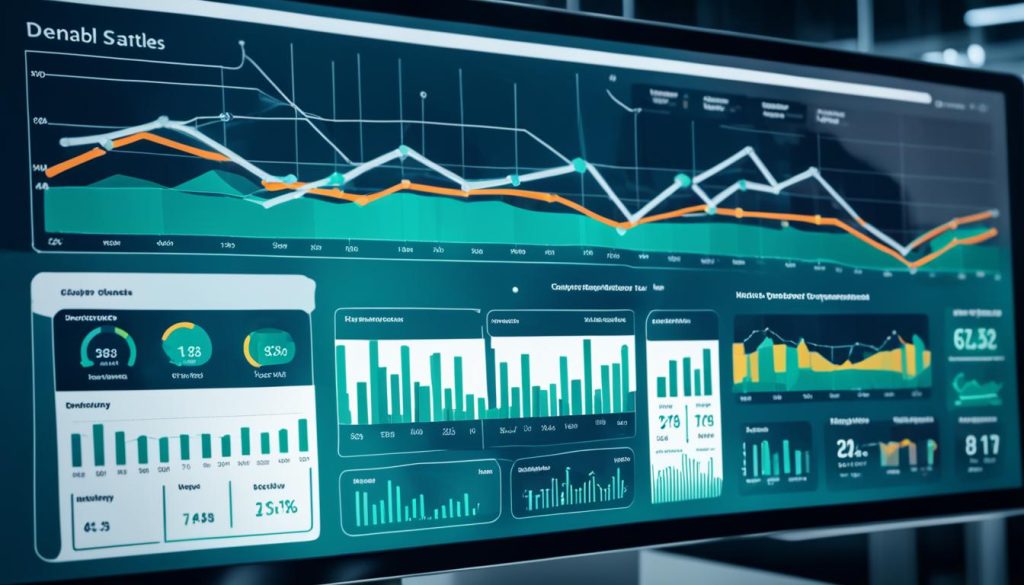
By leveraging advanced technologies and investing in demand planning tools with AI-powered capabilities, organizations can enhance their demand forecasting accuracy, optimize supply chain planning, and unlock new growth opportunities. Such investments not only drive business growth but also establish a competitive edge in today’s rapidly evolving marketplace.
The Role of Demand Forecasting in Demand Planning
Accurate demand forecasting is a key component of effective demand planning. By gathering real-time data, leveraging historical information, and harnessing the power of predictive analytics, businesses can anticipate future demand with precision. A robust demand forecast serves as the foundation for demand planning, guiding crucial aspects such as inventory management, production, and overall supply chain operations.
Accurate demand forecasting involves tapping into real-time data sources to capture the most up-to-date insights. By monitoring market trends, customer behavior, and external factors in real-time, businesses can make more informed decisions about product demand. This helps organizations stay ahead in dynamic markets and proactively adjust their supply chain strategies to meet customer needs.
Furthermore, leveraging historical information is essential for accurate demand forecasting. Analyzing past demand patterns and identifying seasonal fluctuations, trends, and other historical data points enables businesses to make accurate predictions about future demand. This allows for better inventory planning, optimized production schedules, and improved overall supply chain efficiency.
Predictive analytics plays a vital role in demand forecasting by utilizing advanced algorithms and statistical models. By applying predictive analytics techniques to historical and real-time data, businesses can identify patterns, detect anomalies, and make more accurate demand forecasts. This enables proactive decision-making and ensures that resources are allocated effectively to meet customer demand.
With accurate demand forecasts in place, businesses can streamline their inventory management processes. By optimizing inventory levels, organizations can strike the right balance between minimizing costs and ensuring product availability. Efficient production planning, informed by demand forecasts, helps prevent stockouts and excess inventory, enhancing customer satisfaction and maximizing revenue.
A well-executed demand planning strategy, driven by accurate demand forecasting, enables businesses to align their supply chain operations with the fluctuating demands of the market. By proactively responding to customer needs, leveraging real-time data, and harnessing the power of predictive analytics, organizations can achieve supply chain excellence and gain a competitive edge in today’s fast-paced business landscape.
Improving Demand Planning Processes
Continuous improvement is the key to enhancing demand planning processes. By continuously analyzing and refining our strategies, we can optimize our forecasting accuracy and ensure efficient supply chain management. Collaboration among stakeholders is crucial in gathering the necessary information and insights for accurate demand planning. Sales, marketing, and operations teams should work together to share data, align goals, and align strategies to meet customer demand.
One effective technique to enhance demand planning accuracy is demand sensing. Leveraging advanced technologies and real-time data, demand sensing involves sensing and analyzing demand signals from various sources. By understanding customer behavior, market trends, and external influences, businesses can make more informed decisions and adjust their demand plans accordingly.
The Power of Collaboration
Collaboration is essential in demand planning as it brings different perspectives and expertise together, leading to a holistic and accurate demand forecast. By involving stakeholders from various departments, such as sales, marketing, operations, and supply chain, we can gather valuable insights and improve collaboration.
Collaboration is the fuel that drives successful demand planning. By fostering a culture of open communication, knowledge sharing, and cross-functional teamwork, businesses can unlock hidden opportunities and address challenges proactively. Together, we can shape demand and meet customer expectations with precision.
Additionally, implementing demand-shaping strategies allows businesses to influence and shape demand according to their objectives and market dynamics. By using pricing strategies, promotions, and product differentiation, businesses can drive customer preferences and create demand for specific products or features. This strategic approach enables businesses to optimize their inventory levels, reduce costs, and enhance customer satisfaction.
| Benefits of Improving Demand Planning Processes |
|---|
| 1. Enhanced demand forecasting accuracy |
| 2. Efficient inventory management |
| 3. Reduced stockouts and excess inventory |
| 4. Improved customer satisfaction |
| 5. Cost optimization through better resource allocation |
| 6. Increased agility to adapt to market changes |
Conclusion
Demand forecasting and planning are critical processes that play a vital role in optimizing supply chains and driving business success. Accurate demand planning allows organizations to meet customer needs effectively, reduce costs, and gain a competitive advantage. By embracing advanced technologies and implementing best practices, businesses can unlock the full potential of demand planning and achieve supply chain optimization.
Effective demand planning enables businesses to anticipate customer demand, ensuring that the right products are available at the right time. This helps minimize stockouts, excess inventory, and revenue loss. By accurately predicting demand, organizations can make proactive decisions, stay ahead of market shifts, and maintain a competitive edge in the dynamic marketplace.
By leveraging advanced technologies like artificial intelligence and machine learning, businesses can enhance their demand planning capabilities. These technologies enable the analysis of complex data, providing more accurate forecasts and insights into market trends. Investing in demand planning tools and supply chain planning software with AI-powered capabilities can further improve demand planning accuracy and drive business growth.
In conclusion, demand forecasting and planning are essential processes for supply chain optimization. By embracing advanced technologies, implementing best practices, and continuously improving demand planning processes, organizations can effectively meet customer needs, optimize costs, and gain a competitive edge in the market.
FAQ
What is demand planning?
Demand planning is the process of predicting customer demand for products and ensuring the right inventory levels to optimize supply chain efficiency, maximize revenue, and minimize costs.
What are the aspects of demand planning?
Demand planning encompasses product portfolio management, statistical forecasting, and trade promotion management to understand and meet future demand.
Why is demand planning important?
Demand planning is important to avoid revenue loss due to stockouts and excess inventory, make proactive decisions, and maintain a competitive edge in the market.
What are the best practices for demand planning?
Implementing the right ERP software, gathering and preparing data, defining process models, and implementing and monitoring the demand plan with real-time analytics and regular adjustments ensure optimal performance.
What is the future of demand planning in the supply chain?
The future of demand planning lies in digital transformation, machine learning, and artificial intelligence, allowing for leaner inventory management and more accurate demand predictions.
What is the difference between demand forecasting and demand planning?
Demand forecasting focuses on predicting future demand based on data analysis and historical trends, while demand planning takes into account available resources and capacities to meet that demand.
What are the benefits of demand planning?
Demand planning brings benefits like gaining a competitive advantage, enhancing strategic decision-making, risk management, resource optimization, customer satisfaction, and market trend analysis.
How can advanced technologies be leveraged in demand planning?
Demand planning tools powered by AI and machine learning can analyze complex data, provide accurate forecasts, and improve supply chain planning.
What is the role of demand forecasting in demand planning?
Accurate demand forecasting plays a crucial role by guiding inventory management, production, and supply chain operations based on real-time data and predictive analytics.
How can demand planning processes be improved?
Continuous improvement through collaboration among stakeholders, demand sensing techniques, and implementing demand-shaping strategies can refine demand planning processes.