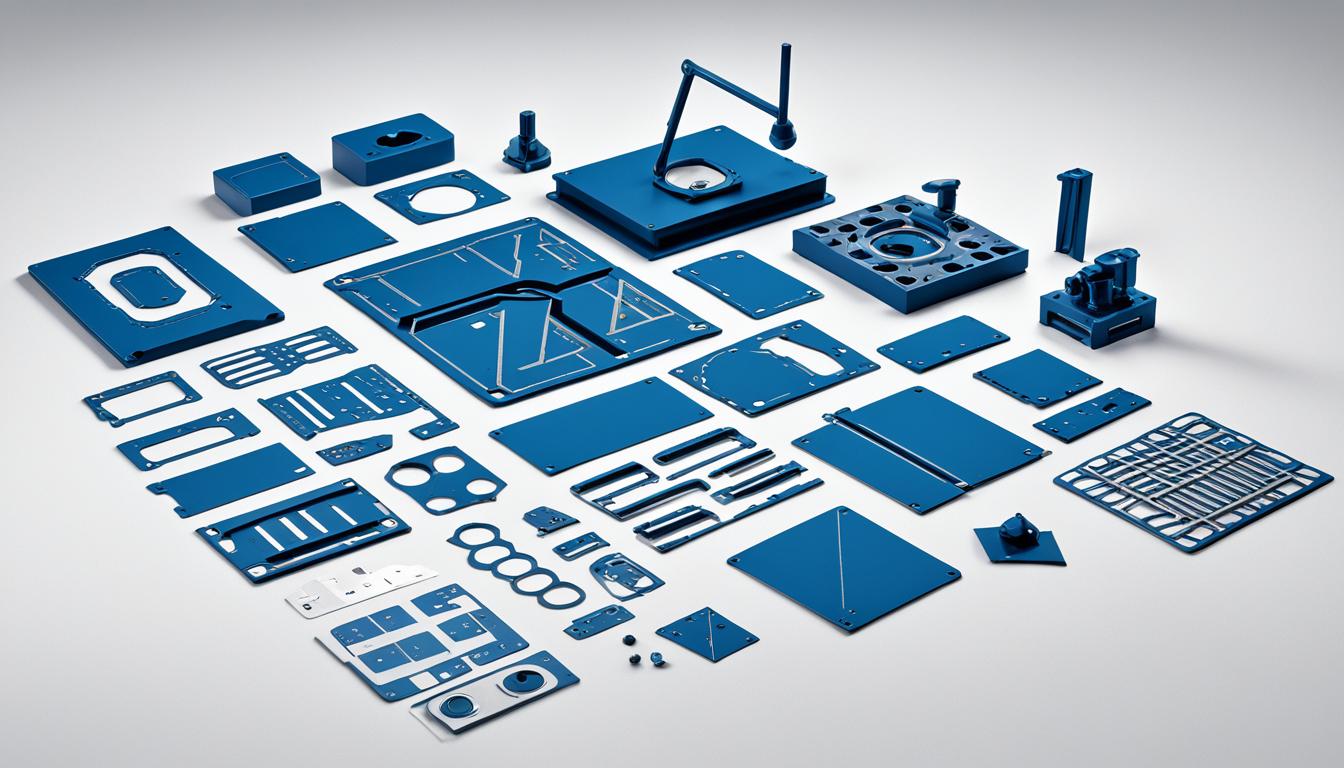
Have you ever wondered how manufacturers create products that are not only functional but also cost-effective to produce? What if I told you that there is a method that allows for better product design, reduced manufacturing costs, and improved overall efficiency? Enter Design for Manufacturability (DFM) – a process that holds the key to unlocking the secrets of efficient manufacturing design.
DFM is all about creating parts, components, or products that are easy to manufacture, ensuring that every element of the design is optimized for efficient production. By simplifying, refining, and optimizing the design, manufacturers can produce better products at a lower cost. But how does DFM work? What are the principles behind it? And how can you implement DFM techniques to achieve the best results?
In this article, we will delve into the world of Design for Manufacturability, exploring its principles, techniques, and best practices. We will examine how DFM can significantly impact manufacturing costs, product development, and overall efficiency. So, get ready to dive into the fascinating realm of DFM and uncover the secrets behind successful manufacturing design!
Key Takeaways:
- Design for Manufacturability (DFM) is a process that optimizes parts, components, or product designs for efficient manufacturing.
- DFM aims to create better products at a lower cost by simplifying, refining, and optimizing the design.
- The five principles of DFM are process, design, material, environment, and compliance/testing.
- DFM implementation requires cross-functional collaboration among engineers, designers, manufacturers, and suppliers.
- DFM can significantly reduce manufacturing costs, shorten product development time, improve product quality, and create a safer working environment.
The Five Principles of DFM
In order to optimize the design for manufacturability, Design for Manufacturability (DFM) follows five principles: process, design, material, environment, and compliance/testing. Each principle plays a critical role in ensuring a smooth and efficient manufacturing process, from the early stages of product development to the end of its life cycle.
The process principle involves selecting the most suitable manufacturing process for the part or product. Factors such as quantity, complexity, and required tolerances are taken into account when choosing the manufacturing process. By carefully evaluating these factors, manufacturers can make informed decisions that result in a cost-effective and high-quality product.
The design principle focuses on conforming to good manufacturing principles. This includes considerations for wall thickness, draft angles, texture, ribs, and simple transitions between thick and thin features. By incorporating these design elements, manufacturers can optimize the manufacturability of the product and minimize costly design changes.
The material principle entails selecting the appropriate materials for the product. Material properties such as mechanical, optical, thermal, electrical, and flammability properties are taken into consideration. By choosing the right materials, manufacturers can ensure that the product meets the required specifications and performs optimally in its intended application.
The environment principle involves designing the product to withstand the conditions in which it will be used. Factors such as temperature, humidity, and corrosion resistance are taken into account. By considering the environment, manufacturers can ensure that the product is reliable and durable, reducing the need for costly repairs or replacements.
The compliance/testing principle focuses on meeting safety and quality standards. Compliance with regulations and testing for performance and reliability are integral parts of the design process. By adhering to these standards, manufacturers can ensure that the product meets regulatory requirements and delivers the expected level of performance.
Early implementation of Design for Manufacturability allows for cost-effective design changes throughout the product life cycle. By considering the five principles of DFM, manufacturers can optimize the design for manufacturability, streamline the manufacturing process, reduce costs, and ultimately deliver a high-quality product to the market.
| DFM Principle | Description |
|---|---|
| Process | Selecting the most suitable manufacturing process for the part or product. |
| Design | Conforming to good manufacturing principles and optimizing the design elements. |
| Material | Selecting appropriate materials based on mechanical, optical, thermal, electrical, and flammability properties. |
| Environment | Designing the product to withstand the conditions in which it will be used. |
| Compliance/Testing | Meeting safety and quality standards through compliance and testing. |
Factors Affecting DFM
When it comes to optimizing the design for manufacturability (DFM), several factors come into play. These factors play a crucial role in achieving DFM optimization and ensuring streamlined manufacturing operations. Let’s explore some of these key factors:
Minimized Part Count
Minimizing the number of parts in a design is a fundamental aspect of DFM optimization. By reducing the part count, manufacturers can significantly reduce material and production costs. Streamlining the design to use fewer components not only saves money but also simplifies the manufacturing process.
Standardized Parts and Assemblies
Standardizing parts and materials is another important factor in DFM. By using standardized parts and assemblies, manufacturers can improve efficiency and reduce customization expenses. Standardization also contributes to easier procurement, storage, and streamlined production processes.
Modular Assemblies
Creating modular assemblies is a strategic approach to DFM. Modular design allows for easy modifications and upgrades without compromising the overall functionality of the product. Modular assemblies enable manufacturers to disassemble, replace, or repair specific components with ease, reducing downtime and improving efficiency.
Efficient Joining
Efficient joining methods are essential for DFM optimization. Designing for efficient joining can eliminate the need for unnecessary fasteners and reduce assembly time. By minimizing the complexity of joining processes, manufacturers can improve efficiency and achieve faster production cycles.
Minimized Reorientation
Reducing the need for reorientation of parts during assembly and machining is a key consideration in DFM. Minimizing reorientation reduces manual interaction and streamlines the production process. By optimizing the design to minimize the need for reorientation, manufacturers can achieve higher productivity and efficiency.
Acceptable Surface Finishes
Defining acceptable surface finishes is critical for achieving DFM optimization. By specifying the desired surface finishes early in the design process, manufacturers can streamline manufacturing operations and avoid the need for additional post-processing or refining steps. Clearly defining the acceptable surface finishes ensures consistent quality and reduces the potential for manufacturing errors.
By considering these factors and incorporating them into the design process, manufacturers can achieve DFM optimization and maximize manufacturing efficiency.
Importance of Design for Manufacturing
Design for Manufacturability (DFM) is a crucial aspect of product development that plays a pivotal role in efficient and cost-effective production. By incorporating DFM principles early in the design process, manufacturers can significantly impact manufacturing costs while optimizing product performance. Approximately 70% of manufacturing costs are influenced by design decisions made during the early stages, including materials and manufacturing methods.
DFM allows for the reduction of production costs without compromising the quality and functionality of the final product. By simplifying and refining the design, manufacturers can eliminate waste and inefficiencies throughout the manufacturing process. This not only leads to cost reduction but also improves overall manufacturing efficiency.
DFM serves as a powerful benchmarking tool, enabling manufacturers to assess competitors’ products and identify areas for improvement in their own designs. By studying the manufacturing processes and techniques used by industry leaders, manufacturers can strive for better quality and cost-competitiveness in their own products.
Ultimately, embracing DFM principles empowers manufacturers to create products that are not only high-performing but also cost-effective to produce. Let’s take a closer look at the impact of DFM on manufacturing costs, product development, waste elimination, and benchmarking.
| Key Benefits of DFM | Description |
|---|---|
| Manufacturing Costs | DFM allows for cost reduction through efficient design, material selection, and optimized manufacturing processes. |
| Product Development | Early DFM implementation enables quick and cost-effective design changes, leading to faster time-to-market. |
| Waste Elimination | DFM identifies and eliminates waste or inefficiencies throughout the manufacturing process, increasing overall efficiency. |
| Benchmarking | DFM serves as a benchmarking tool to assess competitors’ products, enabling manufacturers to improve their own quality and cost-competitiveness. |
Benefits of Design for Manufacturability
Designing for Manufacturability (DFM) offers several benefits to manufacturers. By incorporating DFM principles into the design process, you can unlock various advantages that contribute to a more efficient and cost-effective production. Let’s explore some of the key benefits of implementing DFM:
1. Reduced Production Costs
DFM optimizes the design for efficient manufacturing processes, leading to reduced production costs. By considering factors such as material selection, part count, and streamlined manufacturing operations, DFM enables manufacturers to eliminate unnecessary expenses and increase cost savings. This allows for a more competitive pricing strategy and improved profitability.
2. Shortened Time-to-Market
With DFM, design iterations can be minimized, allowing for faster production and a shortened time-to-market. By considering manufacturing requirements from the outset and designing for manufacturability, DFM eliminates potential delays caused by design flaws or inefficiencies. This enables you to launch your products faster, gaining a competitive edge in the market.
3. Improved Product Quality
DFM promotes continuous refinement and enhancement at every stage of the design process, resulting in improved product quality. By optimizing the design for manufacturing, DFM ensures that the final product meets or exceeds performance expectations. This leads to higher customer satisfaction, increased brand reputation, and a greater likelihood of customer loyalty.
4. Safer Working Environment
Through DFM, construction activities can be removed from the site, creating a safer working environment for employees. By streamlining manufacturing operations, DFM reduces the need for manual intervention in the production process, minimizing the risk of accidents and injuries. A safer working environment not only prioritizes the well-being of your workforce but also enhances overall manufacturing efficiency.
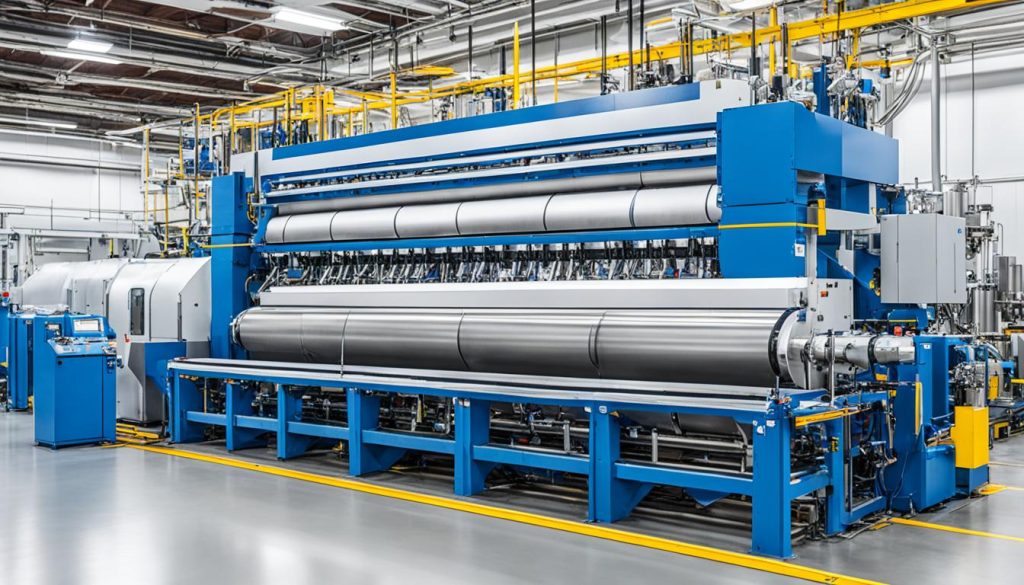
DFM benefits manufacturers by reducing production costs, shortening time-to-market, improving product quality, and creating a safer working environment for employees. By embracing DFM principles, you can optimize the design of your products, leading to enhanced profitability and competitiveness in the marketplace.
| DFM Benefits | Explanation |
|---|---|
| Reduced Production Costs | Optimizing the design for efficient manufacturing processes leads to lower production costs. |
| Shortened Time-to-Market | Minimizing design iterations enables faster production and a shorter time-to-market. |
| Improved Product Quality | Continuous refinement and enhancement throughout the design process ensure superior product quality. |
| Safer Working Environment | Eliminating construction activities from the site creates a safer working environment for employees. |
Design for Manufacture Examples
Design for Manufacture (DFM) principles can be successfully implemented across various industries and manufacturing processes, showcasing the effectiveness of optimizing product designs for improved manufacturing efficiency, cost reduction, and overall product optimization. Let’s explore some real-life examples where DFM has made a significant impact:
Snap Fits in Component Manufacturing
In component manufacturing, snap fits are widely used to enhance fastening efficiency and reduce costs. Snap fits are a type of mechanical joint that allows for easy assembly without the need for additional fasteners or adhesives. By employing snap fits, manufacturers can simplify the production process, minimize part count, and reduce assembly time, resulting in cost savings and increased productivity. Snap fits are particularly effective in industries such as automotive, electronics, and consumer goods.
DFM in Casting Processes
In casting processes, DFM principles play a crucial role in optimizing the shape and geometry of products to minimize defects and improve manufacturing efficiency. By carefully designing the molds and patterns used in casting, manufacturers can enhance product quality, reduce waste, and streamline production. DFM techniques in casting also enable manufacturers to achieve complex designs with greater precision, resulting in cost reduction and improved productivity.
Real-life cases have demonstrated the effectiveness of DFM in various applications. For example, in the development of gun sights for American tanks, DFM was utilized to reduce the number of parts needed for assembly and significantly decrease production time. By applying DFM principles, the manufacturing process became more streamlined, leading to improved product performance and cost optimization.
These examples showcase the practical application of Design for Manufacture principles in different industries, highlighting the potential for cost reduction, improved product quality, and enhanced manufacturing efficiency. By embracing DFM, manufacturers can unlock greater value in their production processes and achieve sustainable success.
Design for Manufacture in Semiconductor Industry
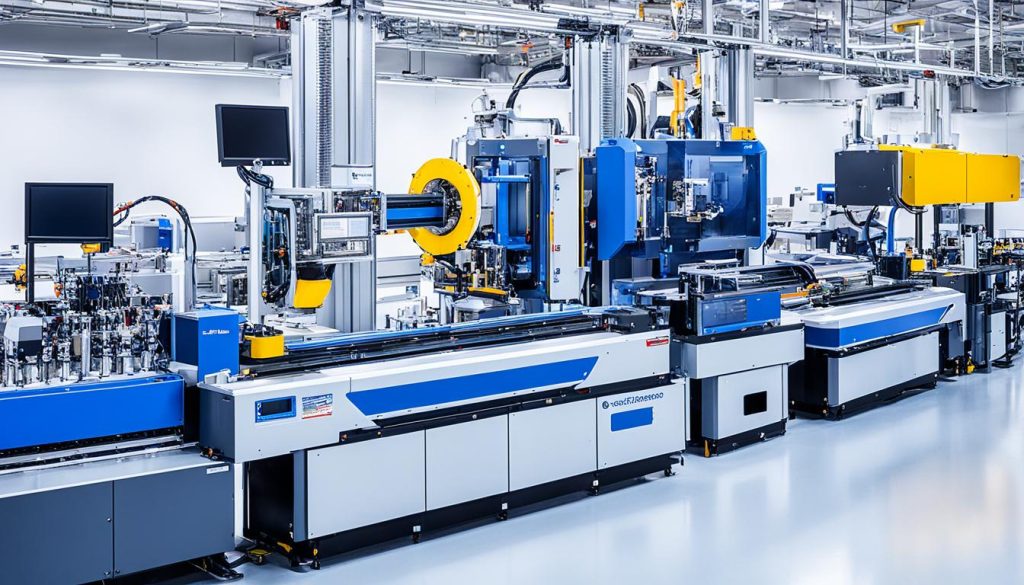
In the semiconductor industry, Design for Manufacture (DFM) plays a critical role in optimizing chip designs for high-volume manufacturing. With a focus on yield optimization and ensuring reliability, DFM techniques are essential for achieving efficient production processes.
DFM in the semiconductor industry involves minimizing the impact of process variability to improve overall yield. Design rules provided by foundries guide designers in adhering to manufacturing requirements, ensuring the manufacturability of the chip designs. By taking into account process variability and using yield simulations, designers can make informed modifications to achieve optimal yields.
Some of the commonly applied DFM techniques in the semiconductor industry include:
- Redundancy: Designing redundant structures to compensate for potential defects or failures, enhancing the reliability of the chip.
- Fill patterns: Creating specific patterns to optimize chip density and improve yield.
- Optical proximity correction: Utilizing sophisticated correction algorithms to enhance accuracy and minimize errors during lithography.
- Restricted design rules: Implementing design restrictions to ensure manufacturability and compatibility with the fabrication process.
- Yield simulations: Employing simulations to predict and optimize yield, allowing for efficient design modifications.
By incorporating these DFM techniques, semiconductor manufacturers can achieve higher yields, reduce costs, and enhance overall chip reliability. The optimization of chip designs through DFM ensures that the final products meet the demanding standards of the semiconductor industry.
DFM Yield Optimization Comparison
| DFM Technique | Yield Improvement |
|---|---|
| Redundancy | 10-15% |
| Fill patterns | 8-12% |
| Optical proximity correction | 15-20% |
| Restricted design rules | 10-18% |
| Yield simulations | 12-15% |
By implementing these DFM techniques, semiconductor manufacturers can significantly enhance their yield rates, leading to improved product quality and profitability.
Design for Manufacture in CNC Machining
When it comes to CNC machining, Design for Manufacture (DFM) is a critical factor in minimizing costs and optimizing production efficiency. By considering various aspects of the manufacturing process, designers can make informed decisions that lead to significant cost reductions and improved manufacturability.
Reducing Set-Up Time
One of the key elements impacting machining costs is the set-up time, which includes tasks like flipping the part or changing tools. By reducing the number of operations required for machining, designers can save valuable time and resources.
Material Type Selection
The choice of material type is crucial in achieving effective DFM in CNC machining. Designers need to consider factors such as hardness and machinability to ensure optimal manufacturability. By selecting materials that are easier to machine without compromising the functionality of the part, cost savings can be achieved.
Tolerances
When designing for CNC machining, it’s essential to carefully consider tolerances. While tight tolerances may be necessary for specific functional requirements, looser tolerances that still meet the desired performance can result in cost savings. Designers should strive to strike the right balance between precision and cost-effectiveness.
Design Optimization
Design optimization plays a crucial role in minimizing machining time and costs. By considering the volume and shape of the material, designers can identify opportunities for material removal optimization, reducing the time required for machining.
Smart Material Form Selection
Another aspect of DFM in CNC machining is the thoughtful selection of material forms. Choosing the right material form, such as bar stock instead of plate, can contribute to cost reduction and improve the overall efficiency of the manufacturing process.
Incorporating DFM principles into CNC machining design can result in significant cost reduction and improved production efficiency. By optimizing the set-up time, selecting the right material type, determining suitable tolerances, optimizing the design, and considering smart material form selection, manufacturers can achieve a streamlined and cost-effective manufacturing process.
By implementing DFM in CNC machining, you can maximize the efficiency of your production process, minimize costs, and ensure a high-quality end product. With careful consideration of set-up time, material type, tolerances, design optimization, and smart material form selection, you can achieve optimal results in your CNC machining projects.
Conclusion
Design for Manufacturability (DFM) plays a crucial role in optimizing manufacturing efficiency and reducing costs in product development. By embracing DFM principles early in the design process and considering various factors such as the manufacturing process, design elements, material selection, environmental factors, and compliance requirements, manufacturers can achieve significant cost savings and enhance the overall quality of their products.
Implementing DFM techniques, including reducing part count, standardizing parts and materials, creating modular assemblies, designing for efficient joining, minimizing reorientation, and streamlining manufacturing operations, further enhances manufacturing optimization. These techniques streamline production workflows, eliminate waste, and improve product manufacturability, leading to cost-effective and efficient production.
DFM is an essential tool for manufacturers looking to optimize their production processes and achieve sustainable success. By focusing on DFM, companies can unlock a range of benefits, including cost optimization, improved product quality, shorter time-to-market, and a safer working environment. To remain competitive in the fast-paced manufacturing industry, embracing DFM principles and continually refining manufacturing practices is crucial.
FAQ
What is Design for Manufacturability (DFM)?
Design for Manufacturability (DFM) is the process of designing parts, components, or products for ease of manufacturing. The goal of DFM is to create a better product at a lower cost by simplifying, optimizing, and refining the design.
What are the principles of DFM?
The five principles of Design for Manufacturability (DFM) are process, design, material, environment, and compliance/testing. Each principle plays a critical role in optimizing the design for manufacturability.
What factors affect DFM?
Several factors can affect Design for Manufacturability (DFM) and influence the optimization of the manufacturing design. These include minimizing the part count, standardizing parts and materials, creating modular assemblies, designing for efficient joining, minimizing reorientation, and streamlining manufacturing operations.
Why is DFM important in product development?
DFM is important in product development as approximately 70% of manufacturing costs are influenced by design decisions made during the early stages. DFM allows for the reduction of production costs without compromising product performance and enables the identification and elimination of waste or inefficiencies throughout the manufacturing process.
What are the benefits of DFM?
Design for Manufacturability (DFM) offers several benefits to manufacturers, including reduced production costs, shorter time-to-market, improved product quality, and a safer working environment.
Can you provide some examples of DFM implementation?
Examples of DFM implementation include the use of snap fits in component manufacturing to improve fastening efficiency and reduce costs, as well as optimizing the shape and geometry of products in casting to minimize defects and improve manufacturing efficiency.
How is DFM applied in the semiconductor industry?
In the semiconductor industry, DFM is crucial for optimizing chip designs for high-volume manufacturing. DFM techniques focus on minimizing the impact of variations in the manufacturing process, improving yield, and ensuring reliability.
How does DFM impact CNC machining?
DFM is important in CNC machining to minimize costs and optimize production efficiency. Factors such as set-up time, material type selection, tolerances, and design optimization all impact manufacturability and cost reduction.
Why is DFM important for cost optimization and manufacturing efficiency?
Design for Manufacturability (DFM) is a crucial aspect of product development, aiming to optimize manufacturing efficiency and reduce costs. By incorporating DFM principles early in the design process and considering various factors, manufacturers can achieve significant cost savings and improve the overall quality of their products.