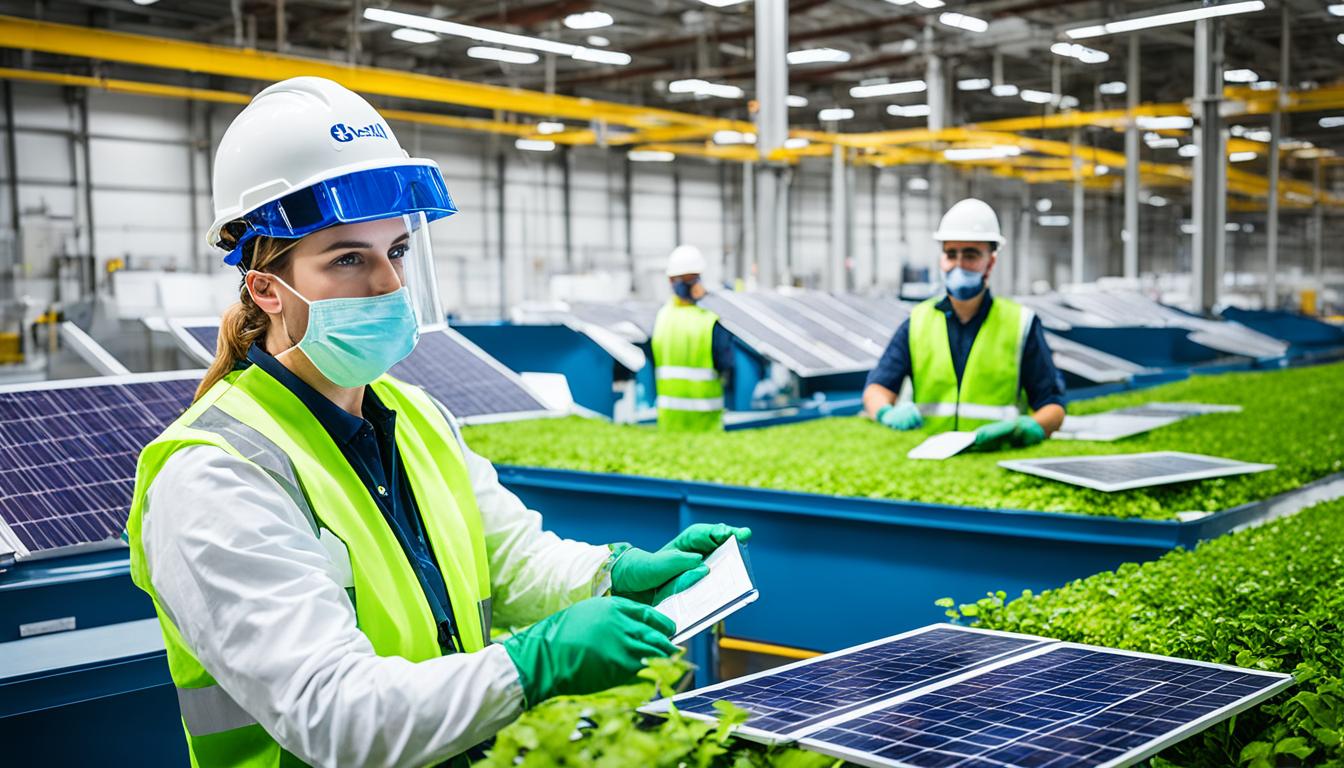
When it comes to manufacturing, practicing Corporate Social Responsibility (CSR) is more important than ever. As a manufacturer, you have the power to make a positive impact on society and the environment through sustainable practices, ethical manufacturing processes, and community engagement. By prioritizing CSR, you can not only enhance your brand perception and business performance but also contribute to the well-being of the communities you operate in.
Implementing sustainable practices in manufacturing is crucial for reducing your environmental footprint and ensuring the long-term viability of your business. By embracing responsible production practices, such as reducing waste and optimizing energy efficiency, you can improve operational efficiency and contribute to a more environmentally conscious industry.
Furthermore, implementing ethical manufacturing processes is essential for ensuring fair labor practices, respecting human rights, and promoting supply chain transparency. By embracing diversity and inclusion in your workforce, you can create a more ethical and inclusive manufacturing environment that values all employees.
Engaging with the community and giving back through philanthropic initiatives is another vital aspect of CSR in manufacturing. By partnering with local organizations, supporting volunteer projects, and investing in social impact initiatives, you can demonstrate your commitment to responsible production practices and corporate citizenship.
Overall, implementing CSR initiatives in manufacturing is not only the right thing to do but also brings numerous benefits. From improving business performance and strengthening consumer and employee relationships to enhancing brand perception and contributing to a better world, CSR is a crucial aspect of corporate citizenship in the manufacturing sector.
Key Takeaways:
- CSR in manufacturing involves practicing sustainable and ethical manufacturing processes.
- Engaging with the community and giving back through philanthropic initiatives is essential for demonstrating corporate citizenship.
- Implementing sustainable practices can improve business performance and enhance brand perception.
- Ethical manufacturing processes promote fair labor practices, respect for human rights, and supply chain transparency.
- Embracing CSR in manufacturing contributes to a better world and creates positive social impact.
Understanding Corporate Social Responsibility (CSR)
Corporate Social Responsibility (CSR) is a self-regulating business model that focuses on a company’s accountability for its impact on society and the environment. CSR involves acting in ways that enhance society and the environment, rather than contributing negatively to them.
In the manufacturing industry, CSR means considering the environmental, social, and economic impact of the entire supply chain, from raw materials to disposal. By prioritizing CSR, manufacturers can create value for society, improve their brand image, and contribute to a better world.
Why Corporate Social Responsibility is Important for Manufacturers
Manufacturers should consider implementing CSR practices because it can have a significant impact on their business performance and profitability. Corporate Social Responsibility (CSR) fosters a culture of actively participating in solving environmental and social issues, which can ultimately influence the social and economic value of a company. By embracing CSR, manufacturers can reap several benefits, ranging from enhanced business performance to strengthened relationships with consumers and employees.
Benefits of CSR for Manufacturers
Implementing CSR practices can lead to improved business performance and profitability for manufacturers. When companies actively engage in CSR initiatives, they demonstrate their commitment to responsible production practices and sustainable growth. This commitment can positively impact their bottom line by attracting environmentally conscious consumers, enhancing brand image, and fostering customer loyalty. In fact, studies have shown that consumers are more likely to support socially responsible companies, creating a market advantage for manufacturers who prioritize CSR.
“Corporate Social Responsibility is a vital aspect of business. By incorporating CSR, manufacturers not only positively contribute to society and the environment, but they also create value for their stakeholders and drive their own success.”
CSR and Business Performance
CSR initiatives can directly impact business performance by improving operational efficiency, reducing costs, and mitigating risks. By implementing sustainable manufacturing practices, manufacturers can optimize their use of resources, reduce waste, and improve energy efficiency. These measures not only reduce environmental impact but also lead to cost savings and increased profitability.
Moreover, embracing CSR can enhance a manufacturer’s reputation and brand perception. When companies prioritize social and environmental responsibility, it resonates with consumers who prefer to support ethical and sustainable businesses. This positive brand perception can translate into increased sales, customer loyalty, and long-term business growth.
CSR and Relationships
Implementing CSR practices can also strengthen relationships with consumers, employees, and stakeholders. By prioritizing social and environmental responsibility, manufacturers align themselves with the values and preferences of their target audience. Consumers are more likely to support and remain loyal to companies that demonstrate a commitment to CSR. Additionally, employees are more engaged and satisfied when they work for socially responsible organizations.
CSR initiatives also contribute to building stronger relationships with stakeholders such as investors, suppliers, and local communities. By actively engaging in sustainable and responsible practices, manufacturers demonstrate their dedication to being good corporate citizens, which fosters trust, partnerships, and long-term collaborations.
CSR and Consumer Preferences
Consumer preferences are shifting towards sustainable and socially responsible products and brands. Consumers want to support companies that align with their values and contribute positively to society and the environment. By implementing CSR practices, manufacturers can attract and retain customers who prioritize sustainability and ethical business practices.
The demand for environmentally friendly and socially responsible products continues to grow. Manufacturers that embrace CSR will be better positioned to meet this demand and stay ahead of their competition. By integrating sustainability into their operations and product offerings, manufacturers can capture a larger market share and gain a competitive advantage.
“In today’s business landscape, incorporating CSR is not just a choice for manufacturers; it is a strategic necessity. By prioritizing CSR, manufacturers can build lasting relationships with their stakeholders and create a positive impact on society and the environment.”
The Benefits of Practicing Sustainability in Manufacturing
Practicing sustainability in manufacturing offers numerous advantages that contribute to long-term business success. By adopting sustainable business practices, manufacturers can achieve operational efficiency, regulatory compliance, improved brand perception, and enhanced employee engagement.
Operational Efficiency
Sustainability in manufacturing promotes operational efficiency by reducing waste and costs. Implementing sustainable practices such as waste reduction, energy optimization, and resource management enhance production processes, leading to streamlined operations and increased profitability. By minimizing waste and utilizing resources efficiently, manufacturers can optimize their supply chain and maximize productivity.
Regulatory Compliance
Embracing sustainability in manufacturing ensures compliance with regulatory constraints related to energy efficiency, pollution prevention, and waste management. By adhering to environmental regulations, manufacturers mitigate the risk of non-compliance penalties and legal liabilities. Moreover, regulatory compliance reflects a commitment to responsible production practices and fosters trust among stakeholders.
Brand Perception and Sales
Adopting sustainable practices in manufacturing improves brand perception, engaging environmentally conscious consumers. Consumers increasingly prioritize sustainability in their purchasing decisions, favoring brands that demonstrate environmental responsibility. By incorporating sustainability into their operations, manufacturers can attract a larger customer base, increase customer loyalty, and ultimately boost sales.
Employee Engagement
Sustainability initiatives in manufacturing lead to enhanced employee engagement and retention. Employees are more likely to be passionate about working for companies that value sustainability and contribute positively to society. By promoting sustainable practices, manufacturers create a sense of purpose and inspire their workforce, resulting in increased productivity, loyalty, and job satisfaction.
Incorporating sustainability into manufacturing practices generates multifaceted benefits, ranging from operational efficiency to improved brand perception and employee satisfaction. By prioritizing sustainability, manufacturers can not only create a positive impact on the environment but also foster long-term business success.
Ways to Practice Sustainable Manufacturing
Manufacturers can adopt sustainable manufacturing practices to minimize their environmental footprint and contribute to a more sustainable future. By implementing various strategies, manufacturers can play a vital role in reducing waste, enhancing energy efficiency, and promoting the use of renewable energy sources.
1. Waste Reduction
To practice sustainable manufacturing, companies can focus on reducing waste throughout the production process. This can be achieved by implementing waste management systems, recycling programs, and utilizing lean manufacturing principles to optimize resource utilization and minimize waste generation.
2. Energy Efficiency
An essential aspect of sustainable manufacturing is optimizing energy usage to reduce greenhouse gas emissions and minimize environmental impact. Manufacturers can invest in energy-efficient equipment, employ energy management systems, and embrace energy-saving practices such as using energy-efficient lighting and implementing smart energy monitoring systems.
3. Renewable Energy
Incorporating renewable energy sources is another crucial step towards sustainable manufacturing. Manufacturers can install solar panels, wind turbines, or utilize other renewable energy technologies to power their operations. By reducing reliance on non-renewable energy sources, manufacturers can significantly decrease their carbon footprint.
4. Circular Economy
Embracing a circular economy approach is a sustainable manufacturing practice that focuses on reducing waste and maximizing resource efficiency. Manufacturers can implement strategies such as designing products for disassembly, recycling and reusing materials, and adopting closed-loop production systems. By keeping materials in use for longer and minimizing waste generation, manufacturers can contribute to a more sustainable and resource-efficient economy.
5. Sustainable Supply Chain
Establishing a sustainable supply chain is vital for overall sustainability in manufacturing. This involves partnering with suppliers who share the same environmental and social responsibility goals, ensuring transparency throughout the supply chain, and encouraging sustainable sourcing practices. By working collaboratively with suppliers, manufacturers can create a more sustainable ecosystem and reduce the overall environmental impact of their operations.
By practicing sustainable manufacturing, companies can align their operations with environmental conservation and contribute to a more sustainable future for generations to come.
Engaging in Community Outreach and Philanthropy
Manufacturers have the opportunity to demonstrate their commitment to corporate social responsibility by engaging in community outreach and philanthropic initiatives. By actively participating in the well-being of their communities, manufacturers can make a positive social impact and build stronger relationships with stakeholders.
Community engagement in manufacturing involves various activities that contribute to the community’s betterment. Manufacturers can support local initiatives that address social or environmental issues, such as education, health, or sustainability. Additionally, partnering with non-profit organizations can provide valuable resources and expertise to community projects.
One way manufacturers can engage with their local communities is by organizing and participating in volunteer projects. These projects can range from environmental clean-ups to skills-based volunteering, where employees share their expertise to support community development. By involving employees in these initiatives, manufacturers can foster a sense of purpose and pride within their workforce.
Forming community partnerships is another effective way for manufacturers to make a lasting social impact. Collaborating with local organizations, government bodies, and educational institutions can create opportunities for joint initiatives that address community needs. These collaborations can lead to mutually beneficial outcomes that promote social well-being.
Building strong community partnerships and engaging in philanthropic initiatives demonstrates a commitment to responsible manufacturing practices and corporate citizenship. By investing in social impact activities, manufacturers can contribute to the betterment of society and create positive change.
Benefits of Engaging in Community Outreach and Philanthropy
Engaging in community outreach and philanthropy brings several benefits to manufacturers:
- Enhanced brand reputation: Manufacturers that actively contribute to their communities are seen as socially responsible, leading to a positive brand image.
- Stakeholder relationships: By aligning with community values, manufacturers can build stronger relationships with consumers, employees, and other stakeholders.
- Employee satisfaction and retention: Involving employees in community initiatives fosters a sense of pride and purpose, leading to increased job satisfaction and employee retention.
- Consumer preference: Many consumers prefer to support companies that prioritize social impact, leading to increased customer loyalty and market share.
Manufacturers that embrace community engagement and philanthropy demonstrate their commitment to responsible production practices and contribute to the overall well-being of society.
| Benefits of Engaging in Community Outreach and Philanthropy | Description |
|---|---|
| Enhanced brand reputation | Manufacturers are seen as socially responsible, leading to a positive brand image. |
| Stakeholder relationships | Stronger relationships with consumers, employees, and other stakeholders through community alignment. |
| Employee satisfaction and retention | Involving employees in community initiatives increases job satisfaction and employee retention. |
| Consumer preference | Support from consumers who prefer socially responsible companies, leading to increased loyalty and market share. |
Implementing Ethical Manufacturing Processes
Ethical manufacturing is a critical aspect of corporate social responsibility in the manufacturing industry. By prioritizing ethical practices, manufacturers can uphold fair labor standards, protect human rights, promote supply chain transparency, support fair trade, and foster diversity and inclusion in the workforce.
Fair labor practices: Manufacturers can ensure fair labor practices by providing safe working conditions, fair wages, and reasonable working hours for employees. Prioritizing the well-being and rights of workers is essential for ethical manufacturing.
Respecting human rights: Upholding basic human rights is crucial in ethical manufacturing processes. This includes ensuring the absence of child labor, forced labor, and discrimination within the workplace.
Supply chain transparency: Manufacturers should strive for transparency throughout their supply chain. This involves mapping and monitoring suppliers, verifying compliance with social and environmental standards, and actively addressing any issues that may arise.
Fair trade: Supporting fair trade practices means promoting equitable relationships with suppliers and ensuring that producers receive fair compensation for their products. Fair trade aims to reduce poverty, empower marginalized communities, and promote sustainable development.
Diversity and inclusion: Creating a diverse and inclusive workforce is vital for ethical manufacturing. Manufacturers should embrace diversity in terms of gender, ethnicity, and other dimensions, fostering an inclusive culture where all employees feel valued, respected, and empowered.
By implementing ethical manufacturing processes, companies can demonstrate their commitment to responsible business practices. This not only benefits workers and the environment but also enhances brand reputation and attracts socially conscious consumers.
When manufacturers prioritize ethical manufacturing, they contribute to a better world where human rights are protected, supply chains are transparent, and workers are treated fairly. Next, we will explore the importance of addressing environmental responsibility in manufacturing.
Examples of Ethical Manufacturing Initiatives
| Company | Initiative | Description |
|---|---|---|
| Patagonia | The Footprint Chronicles | A tool that allows customers to trace the environmental and social impact of Patagonia’s products throughout the supply chain. |
| The Body Shop | Community Trade Program | A sourcing program that promotes fair trade and supports community development by partnering with small-scale farmers and artisans. |
| Levi Strauss & Co. | Worker Well-being Initiative | A program that focuses on improving the well-being of workers in the apparel industry by addressing issues such as health, financial literacy, and gender equality. |
Addressing Environmental Responsibility in Manufacturing
As part of corporate social responsibility in manufacturing, environmental responsibility plays a vital role in minimizing the industry’s impact on the environment. Manufacturers have the opportunity to address environmental responsibility by adopting sustainable practices and mitigating the negative effects of their operations.
Reducing Carbon Footprint
One key aspect of environmental responsibility is the reduction of carbon footprint. Manufacturers can achieve this by implementing energy-efficient technologies, utilizing renewable energy sources, and optimizing production processes. By minimizing carbon emissions, manufacturers contribute to the fight against climate change and promote a cleaner and greener future.
Effective Waste Management
Implementing effective waste management strategies is crucial for environmental responsibility in manufacturing. This involves minimizing waste generation and maximizing recycling and reuse. Manufacturers can adopt practices such as lean manufacturing and circular economy principles to reduce waste throughout the production cycle. By incorporating waste management into their operations, manufacturers can minimize the amount of waste sent to landfills and contribute to a more sustainable future.
Pollution Prevention
Pollution prevention is another essential aspect of environmental responsibility in manufacturing. Manufacturers can implement measures to prevent pollution, such as installing proper filtration systems, using eco-friendly chemicals, and adhering to regulatory standards. By preventing pollution in air, water, and soil, manufacturers help to protect ecosystems, human health, and the overall environment.
Sustainable Packaging
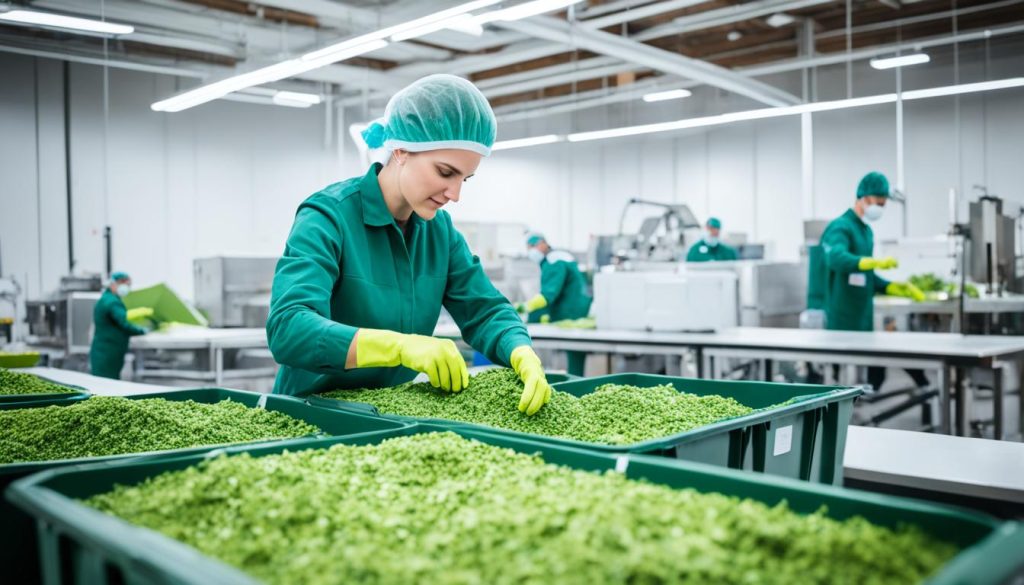
Sustainable packaging is an important consideration for manufacturers aiming to address environmental responsibility. By utilizing eco-friendly materials, reducing packaging waste, and optimizing packaging designs, manufacturers can minimize the environmental impact of their products. Sustainable packaging not only reduces resource consumption but also enhances brand perception among environmentally conscious consumers.
By actively working towards reducing their carbon footprint, implementing effective waste management strategies, preventing pollution, and adopting sustainable packaging, manufacturers demonstrate their commitment to environmental responsibility. These practices contribute to the preservation of natural resources, protection of ecosystems, and the overall sustainability of the manufacturing industry.
Case Studies of Successful CSR Initiatives in Manufacturing
Many manufacturers have successfully implemented CSR initiatives and become leaders in sustainable manufacturing. These case studies serve as examples of industry best practices and can inspire other manufacturers to embrace CSR and contribute to a more sustainable future.
“EAM-Mosca: Providing Packaging Solutions for Sustainability-Minded Manufacturers”
One notable success story in the manufacturing industry is EAM-Mosca, a company that specializes in providing packaging solutions. With a commitment to CSR, EAM-Mosca has demonstrated the positive impact that sustainable and ethical manufacturing practices can have on the environment and society.
By developing packaging solutions that prioritize sustainability, EAM-Mosca assists manufacturers in reducing waste and minimizing their ecological footprint. Their innovative approaches enable sustainability-minded manufacturers to align their packaging processes with their CSR goals, resulting in a more eco-friendly and responsible approach to production.
“XYZ Manufacturing: Leading the Way in Ethical Supply Chain Management”
Another manufacturing company leading the way in CSR is XYZ Manufacturing. With a strong focus on ethical supply chain management, XYZ Manufacturing has implemented practices that ensure fair labor conditions and promote transparency throughout their supply chain.
By partnering with suppliers that adhere to ethical guidelines and supporting fair trade initiatives, XYZ Manufacturing demonstrates a commitment to fostering a responsible and sustainable manufacturing ecosystem. Their dedication to ethical manufacturing processes sets an industry standard and encourages other manufacturers to follow suit.
“ABC Manufacturing: Setting the Bar for Sustainable Packaging”
ABC Manufacturing has established itself as a leader in sustainable packaging solutions. By embracing eco-friendly materials and advocating for responsible packaging practices, the company showcases the significant role that manufacturing companies can play in reducing waste and promoting sustainable consumption.
Through their innovative packaging designs, ABC Manufacturing helps businesses minimize their environmental impact by using renewable and recyclable materials. Their commitment to sustainable packaging serves as a best practice example for other manufacturers striving to make a positive contribution to the environment.
Key Takeaways:
- Companies like EAM-Mosca, XYZ Manufacturing, and ABC Manufacturing have successfully implemented CSR initiatives in manufacturing.
- These companies serve as industry leaders in sustainable and ethical manufacturing practices.
- Their success stories highlight the positive impact of CSR and can inspire other manufacturers to embrace sustainable practices.
- By prioritizing CSR, manufacturers can contribute to a more sustainable future and enhance their brand image.
Challenges and Best Practices for Implementing CSR in Manufacturing
Implementing Corporate Social Responsibility (CSR) in the manufacturing industry presents unique challenges that require careful consideration and strategic planning. From navigating complex regulations to securing resources and gaining buy-in from management, manufacturers must overcome various hurdles to successfully implement CSR initiatives. Additionally, cost considerations often pose a barrier to the adoption of sustainable practices. However, by embracing best practices and focusing on key areas, manufacturers can effectively implement CSR and benefit from its long-term advantages.
Challenges of Implementing CSR in Manufacturing
- Navigating Complex Regulations: Adhering to a multitude of environmental, labor, and social regulations can be overwhelming for manufacturers. Compliance with these regulations requires dedicated resources and expertise to ensure that all processes and practices align with the required standards.
- Securing Resources: Implementing CSR initiatives often requires financial and operational resources. Manufacturers need to allocate funds and establish processes to support sustainability efforts, such as investing in renewable energy sources or implementing waste reduction strategies.
- Gaining Buy-In from Management: The successful implementation of CSR initiatives requires the support and commitment of top-level management. Convincing decision-makers to prioritize CSR may involve demonstrating the potential benefits, including improved brand reputation, increased employee engagement, and enhanced customer loyalty.
- Cost Considerations: One of the primary challenges of implementing CSR in manufacturing is managing the costs associated with sustainable practices. Manufacturers need to find a balance between the financial implications and the long-term benefits of CSR initiatives.
While these challenges may seem daunting, manufacturers can overcome them by adopting best practices and leveraging their strengths.
Best Practices for Implementing CSR in Manufacturing
- Communication and Transparency: Establish open and transparent communication channels to ensure that stakeholders are informed about CSR initiatives and their progress. Regularly sharing updates and engaging with stakeholders builds trust and demonstrates a commitment to transparency.
- Incentivizing Employee Engagement: Engage employees by creating incentives and recognition programs that promote and reward active participation in CSR initiatives. Encouraging employee involvement fosters a sense of ownership and enhances the overall impact of CSR efforts.
- Thorough Audits of Operations: Conduct comprehensive audits of manufacturing processes to identify areas for improvement. These audits help manufacturers identify inefficiencies, waste, and potential risks, leading to more effective sustainability strategies.
By addressing the challenges and embracing these best practices, manufacturers can successfully implement CSR initiatives in the manufacturing industry. Implementing CSR not only contributes to a more sustainable and ethical future but also positively impacts brand reputation, employee engagement, and customer loyalty.

| Challenges | Best Practices |
|---|---|
| Navigating Complex Regulations | Communication and Transparency |
| Securing Resources | Incentivizing Employee Engagement |
| Gaining Buy-In from Management | Thorough Audits of Operations |
| Cost Considerations |
Conclusion
Corporate Social Responsibility (CSR) is of utmost importance in the manufacturing industry. By incorporating CSR into their business strategies, manufacturers can contribute to a better future by addressing environmental and social impacts, engaging with the community, and practicing responsible production.
Implementing CSR initiatives brings numerous benefits to manufacturers. It not only improves business performance but also enhances brand perception and strengthens relationships with consumers and employees. Consumers prefer to support socially responsible companies, and employees are more likely to be engaged and loyal to companies that prioritize CSR. Therefore, manufacturers should prioritize CSR as a fundamental aspect of their operations.
CSR in manufacturing plays a crucial role in shaping sustainable and ethical practices. It enables manufacturers to create a positive impact on society and the environment. By embracing CSR, manufacturers can contribute to the well-being of communities, reduce their environmental footprint, and demonstrate their commitment to responsible production. It is clear that CSR is not just a trend but a necessary approach for the manufacturing industry to thrive in the long run.
FAQ
What is Corporate Social Responsibility (CSR) in manufacturing?
Corporate Social Responsibility (CSR) in manufacturing refers to the practice of manufacturing companies taking responsibility for their actions that impact the environment and society. It involves implementing sustainable and ethical manufacturing processes, engaging with the community, and being environmentally responsible.
Why is Corporate Social Responsibility important for manufacturers?
Corporate Social Responsibility is important for manufacturers because it can improve business performance, strengthen relationships with consumers and employees, and enhance brand perception. Practicing CSR demonstrates a commitment to responsible production practices and corporate citizenship.
What are the benefits of practicing sustainability in manufacturing?
Practicing sustainability in manufacturing can increase operational efficiency, reduce costs, ensure compliance with regulations, and improve brand perception. It also attracts customers who prioritize sustainability and enhances employee engagement and retention.
How can manufacturers practice sustainable manufacturing?
Manufacturers can practice sustainable manufacturing by reducing waste, optimizing energy usage, using renewable energy sources, adopting a circular economy approach, and implementing sustainable supply chain and green procurement practices.
How can manufacturers engage in community outreach and philanthropy?
Manufacturers can engage in community outreach and philanthropy by supporting local initiatives, partnering with non-profit organizations, and organizing volunteer projects. This demonstrates a commitment to responsible production practices and builds stronger relationships with stakeholders.
What are ethical manufacturing processes in CSR?
Ethical manufacturing processes involve prioritizing fair labor practices, respecting human rights, promoting supply chain transparency, supporting fair trade, and embracing diversity and inclusion in the workforce. This demonstrates a commitment to ethical behavior and social responsibility.
How can manufacturers address environmental responsibility?
Manufacturers can address environmental responsibility by reducing their carbon footprint, implementing effective waste management strategies, preventing pollution, utilizing sustainable packaging solutions, and adopting eco-friendly practices throughout the manufacturing process.
Can you provide examples of successful CSR initiatives in manufacturing?
Yes, companies like EAM-Mosca have successfully implemented CSR initiatives in the manufacturing industry. They have provided packaging solutions for sustainability-minded manufacturers, demonstrating the positive impact of sustainable and ethical manufacturing practices.
What are the challenges and best practices for implementing CSR in manufacturing?
Challenges of implementing CSR in manufacturing include navigating complex regulations, securing resources, gaining buy-in from management, and cost considerations. Best practices include communication and transparency, incentivizing employee engagement, and conducting thorough audits of operations.
Why is CSR important in manufacturing?
CSR is important in manufacturing because it contributes to a better future by addressing environmental and social impacts, engaging with the community, and practicing responsible production. It also leads to improved business performance, enhanced brand perception, and strengthened relationships with consumers and employees.