
The manufacturing industry plays a significant role in shaping our world, but it also has a considerable impact on the environment. With increasing concerns about climate change and a growing demand for sustainable products, businesses are recognizing the importance of adopting eco-friendly practices in manufacturing. From sourcing green materials to implementing sustainable production processes, manufacturers are taking steps to reduce their environmental footprint and contribute to a greener future.
Key Takeaways:
- Eco-friendly materials in manufacturing are essential to address environmental challenges and meet consumer demand for sustainable products.
- Sustainable manufacturing practices can lead to reduced costs, environmental conservation, improved brand recognition, and support from customers and employees.
- Manufacturers can increase sustainability by analyzing their environmental impact, reducing waste and implementing recycling programs, using green energy alternatives, reviewing product developments, reducing water consumption, and promoting a company culture of sustainability.
- The fashion industry, in particular, can benefit from using eco-friendly materials to reduce its environmental impact and support ethical production practices.
- Choosing eco-friendly materials in manufacturing is a step towards a greener future and a more sustainable industry.
Analyze Your Current Environmental Impact
As manufacturers strive to embrace eco-friendly manufacturing practices, the first crucial step is to analyze and understand their current environmental impact. By assessing energy consumption and identifying opportunities for improvement, businesses can make informed decisions to minimize their carbon footprint and adopt more sustainable choices.
One of the key aspects of analyzing environmental impact is evaluating the materials used in production. Identifying eco-friendly alternatives can significantly reduce the environmental footprint of manufacturing processes. By opting for sustainable materials, manufacturers can promote resource conservation and ensure a greener future.
To gain a comprehensive understanding of the environmental impact, calculating the carbon footprint of the business is essential. This calculation provides valuable insights into the areas that require improvement and helps prioritize sustainability goals.
“Analyzing and understanding your current environmental impact is the foundation for implementing effective eco-friendly practices.” – Eco Manufacturing Solutions
By investing time and resources in analyzing the environmental impact, manufacturers can map out a strategic roadmap towards eco-friendly manufacturing. This analytical process sets the stage for implementing targeted changes and innovative solutions that will ultimately lead to a more sustainable and responsible manufacturing industry.
Benefits of Analyzing Environmental Impact
Analyzing environmental impact brings numerous benefits to manufacturers embarking on the path of eco-friendly manufacturing:
- Identifies areas for improvement in energy consumption and production processes.
- Enables the identification of eco-friendly alternatives and materials.
- Reduces carbon footprint and minimizes environmental impact.
- Enhances brand reputation and appeals to eco-conscious consumers.
- Drives innovation and fosters a culture of sustainability within the organization.
Case Study: XYZ Manufacturing Company
To illustrate the impact of analyzing environmental impact, let’s take a look at XYZ Manufacturing Company. By thoroughly assessing their energy consumption and production processes, XYZ Manufacturing Company identified several areas for improvement. They implemented energy-efficient machinery and optimized their production workflows, resulting in a significant reduction in their carbon footprint.
| Metrics | Before Analysis (2019) | After Analysis (2021) |
|---|---|---|
| Carbon Footprint (metric tons) | 5,000 | 3,200 |
| Energy Consumption (kWh) | 2,500,000 | 1,800,000 |
| Percentage of Sustainable Materials Used | 15% | 40% |
By analyzing their environmental impact and implementing sustainable practices, XYZ Manufacturing Company not only reduced their carbon footprint and energy consumption but also increased the usage of sustainable materials, contributing to a more eco-friendly manufacturing industry.
In conclusion, analyzing the environmental impact is a vital initial step for manufacturers striving to adopt eco-friendly manufacturing practices. This process enables businesses to assess their energy consumption, identify eco-friendly alternatives, and reduce their carbon footprint. By embracing sustainability, manufacturers can not only protect the environment but also enhance their brand reputation and attract environmentally conscious consumers.
Reduce Waste & Recycle
Reducing waste and implementing recycling programs is a crucial aspect of eco-friendly manufacturing. By taking proactive measures to minimize waste, manufacturers can significantly contribute to environmental conservation and sustainable production practices. Implementing waste reduction strategies not only benefits the environment but also offers economic advantages by optimizing resources and reducing costs.
Encourage the Use of Reusable Products
One effective way to reduce waste in manufacturing is by providing reusable products. Encourage employees to utilize reusable containers, utensils, and other materials during production processes and daily operations. By promoting the use of durable and long-lasting items, you can minimize the amount of single-use products that end up in landfills. This simple change can have a significant impact on waste reduction and conservation efforts.
Adopt a Zero-Waste Mindset
Embracing a zero-waste mindset within your manufacturing facility is another important step toward eco-friendly practices. Encourage employees to adopt zero-waste habits by implementing recycling bins throughout the premises. These bins should be clearly labeled and easily accessible for employees to dispose of recyclable materials properly. Consider providing training or educational resources to raise awareness about the importance of recycling and how it contributes to waste reduction.
Minimize Waste Sent to Landfills
Aspire to become a zero-to-landfill company by implementing waste management strategies that minimize the amount of waste sent to landfills. This involves establishing efficient recycling programs for various types of materials, such as paper, plastic, glass, and metal. By diverting these materials from landfills through proper recycling channels, manufacturers can significantly reduce their environmental impact and contribute to a more sustainable future.
“Reducing waste is not only good for the environment but also for your bottom line. By implementing effective recycling programs and encouraging reusable product usage, you can optimize resources and reduce costs while minimizing your ecological footprint.”
Reusing and Recycling Materials
One of the key pillars of waste reduction is the implementation of effective reuse and recycling practices. Evaluate your manufacturing processes to identify opportunities for reusing or repurposing materials. This can involve designing products or packaging that can be easily disassembled and recycled at the end of their life cycle. By integrating recycled materials into your production processes, you can contribute to the circular economy and reduce the demand for new resources.
| Benefits of Waste Reduction and Recycling |
|---|
| 1. Environmental conservation and sustainability |
| 2. Cost savings through resource optimization |
| 3. Enhanced brand reputation and customer loyalty |
| 4. Compliance with eco-friendly regulations and standards |
| 5. Reduction of carbon emissions and ecological footprint |
| 6. Contribution to a more circular economy |
| 7. Increased employee engagement and satisfaction |
By adopting waste reduction and recycling practices, manufacturers can significantly contribute to eco-friendly manufacturing and create a more sustainable future. Through the use of reusable products, zero-waste initiatives, and proper waste management strategies, businesses can make a positive impact on the environment while improving their bottom line. It is essential for manufacturers to prioritize waste reduction and recycling as integral components of their sustainability efforts.
Implement Green Energy Alternatives
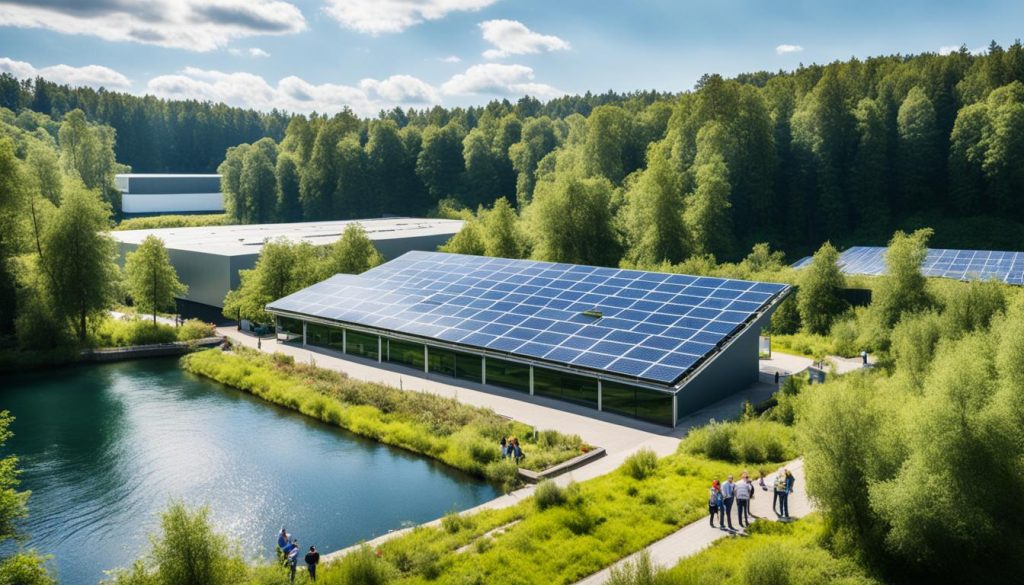
Embracing green energy alternatives is an effective way for manufacturers to create a sustainable workplace. By harnessing renewable energy sources such as solar, wind, or hydro power, manufacturers can significantly reduce their carbon footprint and lower energy costs. Installing solar panels on the facility’s roof or purchasing renewable energy can provide a clean and renewable power source to meet the manufacturing needs while contributing to a healthier environment.
Transitioning to green energy alternatives benefits both the environment and the bottom line. Solar panels, for example, convert sunlight into electricity, offering a renewable energy source that produces no greenhouse gas emissions. By utilizing solar energy, manufacturers can substantially reduce their dependence on fossil fuels and contribute to the global fight against climate change.
Solar panels are a popular choice for many businesses seeking to adopt eco-friendly manufacturing practices. The technology is not only environmentally friendly but also provides long-term cost savings. Once installed, solar panels can generate electricity for decades, reducing energy costs and providing a stable source of power. In addition, some regions offer incentives and tax credits for businesses that invest in renewable energy systems, further enhancing the financial benefits of going green.
Renewable energy alternatives extend beyond solar power. Wind turbines and hydroelectric systems are also viable options for manufacturers looking to implement eco-friendly energy solutions. Wind turbines convert wind energy into electricity, while hydroelectric systems harness the power of flowing water to generate renewable energy. Both options contribute to reducing reliance on non-renewable energy sources and help combat climate change.
By incorporating green energy alternatives into their manufacturing processes, businesses can achieve multiple benefits. Not only do they reduce their environmental impact, but they also improve energy efficiency and save on operational costs. Transitioning to renewable energy is an investment in a sustainable future, benefiting both the business and the planet.
Review Product Developments
When it comes to eco-friendly manufacturing, reviewing product developments is a critical step in adopting sustainable practices. By analyzing the materials and packaging used in your products, you can identify opportunities for improvement and make more environmentally conscious choices. Prioritizing the use of sustainable materials, such as recycled or biodegradable options, can significantly reduce the environmental impact of your manufacturing processes without compromising the quality of your products.
Designing products with longevity in mind is another way to enhance your sustainability efforts. By creating durable and long-lasting products, you can reduce the need for frequent replacements, minimizing waste and conserving resources. Additionally, considering the end-of-life options for your products, such as encouraging recycling or providing instructions for proper disposal, can further contribute to your eco-friendly manufacturing practices.
“Sustainable product development is key to minimizing the environmental impact of manufacturing processes and meeting consumer expectations for eco-conscious products.”
By incorporating sustainable materials and thoughtful product design, manufacturers can make a significant difference in promoting a greener future. Choosing recycled materials and eco-friendly packaging can help reduce waste and conserve resources, while also resonating with environmentally conscious consumers.
Here’s an example of how a manufacturer can review and enhance their product developments:
| Product | Material Used | Packaging |
|---|---|---|
| Eco-friendly tote bag | Recycled cotton and polyester blend fabric | Biodegradable, compostable packaging made from recycled paper |
| Sustainable sneakers | Recycled plastic bottles for uppers | Minimalist shoebox made from recycled cardboard |
| Reusable water bottle | BPA-free, food-grade stainless steel | Cardboard sleeve and tag made from recycled paper |
By continuously reviewing and improving product developments, manufacturers can align their practices with sustainable values and contribute to a more environmentally friendly manufacturing industry.

Reduce Water Consumption
Conserving water is an essential element of eco-friendly manufacturing. By reducing water consumption, you can achieve significant cost savings, faster production turnaround times, and contribute to the sustainable consumption of the planet’s resources.
Implementing water-efficient technologies is one effective way to reduce water usage in manufacturing processes. By adopting advanced water-efficient technologies, such as smart meters and automated systems, you can optimize water consumption and minimize wastage. These technologies enable you to monitor water usage in real-time, identify areas of high consumption, and implement targeted conservation measures.
Regularly checking for leaks in pipes, valves, and equipment is also crucial to prevent unnecessary water loss. Identifying and fixing leaks promptly can significantly reduce water waste, ensuring that every drop is used efficiently.
Additionally, implementing landscaping techniques can contribute to water sustainability in manufacturing facilities. Planting native and drought-tolerant vegetation, applying mulch to retain moisture, and installing efficient irrigation systems can minimize water usage in landscaping and outdoor areas.
Water Usage Reduction Tips:
- Invest in water-efficient equipment and technologies.
- Monitor water consumption using smart meters and automated systems.
- Regularly inspect and repair leaks in pipes and equipment.
- Utilize drought-tolerant vegetation and efficient irrigation systems in landscaping.
- Encourage employees to adopt water-saving practices in their daily activities.
By implementing these water conservation measures, you can reduce your environmental impact, conserve water resources, and contribute to a more sustainable manufacturing process.
Make it Part of Your Company Culture
Making sustainability a part of your company culture is essential for successful eco-friendly manufacturing. When sustainability becomes ingrained in the values and practices of your organization, it becomes easier to transition to a green workplace that prioritizes environmentally conscious actions. By fostering employee engagement and participation in sustainable practices, you can create a workforce that is committed to reducing the environmental impact of your operations.
One way to promote sustainability within your company culture is by highlighting your commitment to eco-friendly manufacturing on your website and social media platforms. By showcasing your green initiatives, you can strengthen your brand image, increase brand recognition, and build public trust. This can attract environmentally conscious customers and partners who align with your values.
Furthermore, receiving certifications and recognitions related to corporate social responsibility and sustainability can further demonstrate your dedication to eco-friendly practices. These accolades serve as a testament to your commitment and can enhance your reputation in the industry.
Employee Engagement: A Key Driver of Sustainability
A crucial aspect of integrating sustainability into your company culture is engaging your employees in your green initiatives. When employees are involved and invested in sustainability practices, they are more likely to embrace eco-friendly behaviors and actively contribute to reducing the company’s environmental footprint.
You can foster employee engagement by organizing educational programs, workshops, and training sessions that promote sustainable practices. These initiatives can help employees understand the importance of eco-friendly manufacturing and provide them with the knowledge and tools to make sustainable choices in their daily work.
Additionally, involving employees in decision-making processes related to sustainability can empower them and make them feel valued. Encourage their ideas and suggestions for improving eco-friendly practices within the organization. By fostering a sense of ownership and responsibility, employees are more likely to adopt and champion green initiatives.
Employee engagement plays a key role in driving sustainable change. When employees are fully engaged in sustainability efforts, they become advocates for positive environmental practices both within and outside the workplace.
Eco-Friendly Initiatives: Celebrating Green Achievements
Highlighting and celebrating eco-friendly initiatives within your company culture can serve as a motivating factor for employees and reinforce the importance of sustainable practices. Recognize and reward employees and teams who contribute to the company’s sustainability goals through their innovative ideas, energy-saving efforts, waste reduction strategies, or other green initiatives.
Consider implementing an internal communication platform or newsletter where you can share success stories, case studies, and updates on sustainability achievements. By amplifying these stories, you can inspire and encourage others to actively participate in eco-friendly manufacturing.
Additionally, organize events and activities that focus on environmental stewardship and green living. This could include participating in community clean-up initiatives, organizing tree-planting drives, or hosting educational workshops on sustainable living for employees and their families.
Examples of Eco-Friendly Initiatives
| Green Initiative | Description |
|---|---|
| Energy Efficient Lighting | Replace traditional light bulbs with energy-saving LED bulbs throughout the facility to reduce electricity consumption. |
| Waste Segregation Program | Implement a comprehensive waste segregation system, including separate bins for recyclables, organic waste, and non-recyclables. |
| Reusable Packaging | Transition from single-use packaging to reusable containers and encourage customers to return them for a deposit or incentive. |
| Carpooling and Public Transport | Promote carpooling and the use of public transportation among employees by providing incentives such as reduced parking fees or subsidized transit passes. |
| Office Paper Reduction | Encourage digital documentation and communication, minimize printing, and use recycled paper for necessary printouts. |
Importance of Eco-friendly Materials in Manufacturing
The fashion industry has a significant environmental impact, making the use of sustainable materials in manufacturing crucial. With increasing consumer awareness of this impact, there is a growing demand for eco-friendly material choices. Sustainable materials are produced in an environmentally, economically, and socially responsible manner, helping to reduce the industry’s carbon footprint, preserve natural resources, and promote fair trade and ethical working conditions. By choosing eco-friendly materials, the fashion industry can support the transition to a more sustainable future.
Reducing Environmental Impact
The fashion industry’s environmental impact arises from numerous factors including the use of non-renewable resources, water consumption, and pollution from production processes. By employing sustainable materials in manufacturing, the industry can significantly reduce its carbon footprint and minimize resource depletion. Sustainable materials, such as organic cotton, recycled polyester, and plant-based alternatives, offer greener alternatives to conventional textiles. Opting for these materials in the manufacturing process can play a crucial role in mitigating the environmental impact of the fashion industry.
Consumer Awareness and Demand
Consumers are increasingly aware of the environmental ramifications of fast fashion and are seeking more sustainable alternatives. This growing consumer consciousness has fueled the demand for eco-friendly materials in the fashion industry. By using sustainable materials, manufacturers can meet this demand and cater to the preferences of environmentally conscious consumers. Implementing sustainable practices can enhance brand reputation, attract new customers, and contribute to long-term business success.
“The choice of materials has a significant impact on the overall sustainability of a product and the fashion industry as a whole.” – Fashion Sustainability Expert
Promoting a Greener Future
The fashion industry plays a vital role in shaping cultural and societal norms. By prioritizing the use of eco-friendly materials, the industry can drive positive change and promote a greener future. When fashion brands adopt sustainable practices and materials, it encourages other industry players to follow suit, creating a ripple effect that helps transform the entire fashion supply chain. By supporting sustainable materials in manufacturing, the fashion industry can contribute to the preservation of natural resources, reduce pollution, and create a more environmentally resilient planet.
| Benefits of Eco-friendly Materials in Manufacturing |
|---|
| Reduces carbon footprint |
| Preserves natural resources |
| Promotes fair trade and ethical working conditions |
| Meets consumer demand for sustainable products |
| Enhances brand reputation and customer loyalty |
Conclusion
The use of eco-friendly materials in manufacturing is crucial for addressing environmental challenges and meeting consumer demand for sustainable products. By adopting sustainable manufacturing practices, businesses can not only reduce costs but also contribute to a greener future by conserving resources.
Analyzing the environmental impact, reducing waste and recycling, implementing green energy alternatives, reviewing product developments, reducing water consumption, making sustainability part of the company culture, and selecting eco-friendly materials are all key steps towards achieving sustainable manufacturing.
By prioritizing sustainable material choices, manufacturers can make a positive impact on the environment, support ethical production practices, and meet consumer expectations for eco-conscious products. Embracing eco-friendly materials in manufacturing is not only beneficial for the planet but also for business growth and public trust.
FAQ
Why is it important for manufacturers to analyze their current environmental impact?
Analyzing their current environmental impact helps manufacturers identify areas for improvement and make more sustainable choices in their manufacturing processes.
How can manufacturers reduce waste and implement recycling programs?
Manufacturers can reduce waste by providing reusable products and implementing recycling bins to separate materials for recycling. They can also aim to become zero-to-landfill companies by minimizing waste sent to landfills.
What are green energy alternatives that manufacturers can implement?
Manufacturers can embrace green energy alternatives by harnessing renewable sources such as solar, wind, or hydro power. Installing solar panels or purchasing renewable energy can significantly reduce their carbon footprint and lower energy costs.
Why is it important for manufacturers to review product developments?
Reviewing product developments allows manufacturers to identify opportunities for improvement in materials and packaging. They can prioritize using sustainable materials, such as recycled or biodegradable options, to reduce their environmental impact without compromising product quality.
How can manufacturers reduce water consumption?
Manufacturers can reduce water consumption by implementing water-efficient technologies, checking for leaks, and using landscaping techniques. These practices help increase water sustainability and minimize the impact on the environment.
How can manufacturers make sustainability part of their company culture?
Manufacturers can make sustainability part of their company culture by encouraging employee participation and engagement in sustainable practices. They can also display their commitment to sustainability on their website and social media platforms, and obtain recognitions and certifications related to corporate social responsibility and sustainability.
Why is the use of eco-friendly materials important in the fashion industry?
The fashion industry has a significant environmental impact, and using eco-friendly materials helps reduce its carbon footprint and promote fair trade and ethical working conditions. Consumers are increasingly demanding sustainable material choices, driving the transition to a more sustainable fashion industry.
Why is it important for manufacturers to prioritize eco-friendly materials?
Prioritizing eco-friendly materials in manufacturing helps address environmental challenges and meet consumer demand for sustainable products. It reduces costs, conserves resources, and contributes to a greener future.