In today’s world, where energy costs are rising and environmental concerns are growing, energy efficiency has become a critical focus for manufacturing operations. By improving energy efficiency, manufacturers can not only reduce their manufacturing energy costs but also contribute to sustainable manufacturing practices and create a cleaner environment. In this article, we will explore various energy-saving strategies and solutions that can help you optimize energy consumption and improve the overall energy efficiency of your manufacturing operations.
Key Takeaways
- Energy efficiency is crucial for manufacturing operations to reduce energy costs and contribute to sustainability.
- Optimizing existing systems, implementing energy management systems, and promoting employee engagement are effective strategies to improve energy efficiency.
- Regular maintenance and upgrades can optimize HVAC, lighting, and equipment efficiency.
- Energy management systems provide valuable insights to monitor and control energy consumption.
- Promoting employee engagement fosters a culture of energy efficiency.
The Benefits of Energy Efficiency in Manufacturing
Energy efficiency in manufacturing operations offers several benefits that are crucial for sustainable and cost-effective business practices. By improving energy efficiency, manufacturers can achieve significant cost savings by reducing energy consumption and lowering energy costs. Additionally, energy efficiency efforts contribute to sustainability and help create a cleaner environment by reducing greenhouse gas emissions.
| Benefits of Energy Efficiency in Manufacturing |
|---|
| 1. Cost Savings |
| 2. Sustainability |
| 3. Cleaner Environment |
“Improving energy efficiency ultimately leads to cost savings, which positively impacts a company’s bottom line. By implementing energy-efficient practices and technologies, manufacturers can significantly reduce their energy consumption and lower associated operating expenses.”
One of the primary advantages of energy efficiency is the potential for substantial cost savings. By optimizing systems and processes, manufacturers can minimize energy waste and lower their energy bills. This allows businesses to allocate resources more efficiently, reinvest in growth initiatives, or pass on the savings to customers.
In addition to cost savings, energy efficiency also plays a critical role in promoting sustainability in manufacturing operations. By reducing energy consumption, manufacturers can decrease their carbon footprint and contribute to global efforts to combat climate change. Sustainability is not just an ethical consideration; it also aligns with consumer preferences and can enhance brand reputation.
Beyond monetary benefits and sustainability, energy efficiency contributes to a cleaner environment. By decreasing energy consumption and utilizing cleaner energy sources, manufacturers can significantly reduce greenhouse gas emissions and air pollution. This not only benefits the immediate community but also supports the broader goal of creating a healthier planet for future generations.
The Environmental Impact of Energy Efficiency
- Reduces greenhouse gas emissions
- Minimizes air pollution
- Conserves natural resources
- Preserves ecosystems
By prioritizing energy efficiency in manufacturing, businesses can experience a range of benefits that extend far beyond the initial investment. From cost savings to sustainability and a cleaner environment, the advantages are substantial and underscore the importance of incorporating energy-efficient practices and technologies into manufacturing operations.
Strategies to Improve Energy Efficiency in Manufacturing
Improving energy efficiency in manufacturing operations is crucial for reducing costs, promoting sustainability, and minimizing environmental impact. By implementing a combination of strategies, manufacturers can optimize energy consumption and create a more energy-efficient production environment. Here are some effective strategies to improve energy efficiency:
1. Optimize Existing Systems
Optimizing existing systems such as HVAC, lighting, and equipment is a fundamental step in improving energy efficiency. Regular maintenance, upgrades, and adjustments can significantly enhance the efficiency of these systems, reducing energy waste and ultimately lowering energy costs.
2. Conduct Energy Audits
Evaluating energy usage patterns through comprehensive energy audits can help manufacturers identify areas of inefficiency and develop targeted energy-saving strategies. By understanding energy consumption patterns, manufacturers can make informed decisions to optimize energy use and reduce waste.
3. Invest in Energy-Efficient Equipment
Upgrading to energy-efficient equipment can have a significant impact on energy consumption and cost savings. Investing in machinery with high-efficiency ratings and advanced technology, such as variable speed drives combined with electric motors, can optimize energy consumption and reduce overall energy expenditures.
4. Implement Energy Management Systems
Energy management systems provide real-time data and insights into energy usage, enabling manufacturers to monitor and control energy consumption effectively. These systems help identify areas of excessive energy use and facilitate proactive measures to optimize energy efficiency.
5. Promote Employee Engagement in Energy-Saving Practices
Engaging employees in energy-saving practices is essential for sustainable energy efficiency. By promoting energy-conscious behaviors, such as turning off equipment when not in use and actively participating in energy-saving initiatives, employees can contribute to overall energy reduction and create a culture of energy efficiency.
6. Embrace Smart Manufacturing Technologies
Smart manufacturing technologies, such as automation and data analytics, play a significant role in energy optimization. By implementing sensors, controls, and monitoring systems, manufacturers can identify energy waste, make real-time adjustments, and optimize energy usage efficiently.
Implementing a combination of these strategies can help manufacturers achieve substantial energy savings, reduce costs, and enhance overall sustainability. By prioritizing energy efficiency, manufacturers can contribute to a cleaner environment and demonstrate their commitment to responsible resource management.
Optimizing Existing Systems for Energy Efficiency
Manufacturers can significantly improve energy efficiency by optimizing their existing systems. This involves regular maintenance and upgrades to enhance the efficiency of HVAC systems, lighting systems, and manufacturing equipment.
One area to focus on is HVAC efficiency. By ensuring that heating, ventilation, and air conditioning systems are operating at their optimal efficiency, manufacturers can reduce energy consumption and lower costs. Regular inspections and maintenance of HVAC systems, such as cleaning filters, sealing ducts, and tuning controls, can help improve efficiency and airflow.
Another important aspect is lighting efficiency. By utilizing energy-efficient lighting solutions and technologies such as LED bulbs and smart lighting controls, manufacturers can significantly reduce energy usage. Optimizing lighting in manufacturing facilities not only saves energy but also enhances visibility and productivity for employees.
To achieve equipment efficiency, manufacturers should consider upgrading outdated machinery with energy-efficient alternatives. Modern equipment often comes with advanced technology and high-efficiency ratings, such as variable speed drives combined with electric motors. These improvements can lead to significant energy cost reductions and improved overall energy efficiency.
By optimizing existing systems, manufacturers can make their operations more energy efficient, reducing energy consumption and lowering costs. Here’s a summary of the key benefits:
- Reduced energy consumption
- Lower energy costs
- Improved HVAC efficiency
- Enhanced lighting efficiency
- Increased equipment efficiency
Optimizing existing systems is an important step towards achieving energy efficiency in manufacturing operations. However, that’s not the only strategy manufacturers can implement. Section 5 will explore the benefits and strategies of implementing energy management systems.
Implementing Energy Management Systems
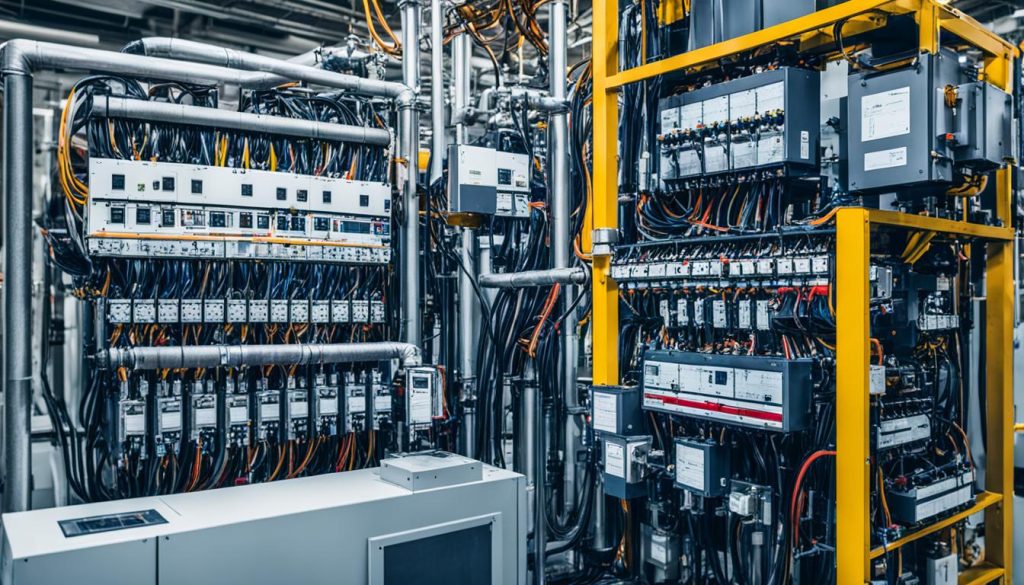
To effectively manage and optimize energy consumption in manufacturing operations, implementing energy management systems is crucial. These systems enable manufacturers to monitor energy usage, control energy consumption, and gain valuable data insights to drive informed decision-making.
Energy management systems provide real-time visibility into energy usage within a facility. Through the use of sensors, meters, and monitoring devices, manufacturers can track energy consumption at the equipment, area, or whole facility level. This data allows for a detailed analysis of energy usage patterns, identifying areas of inefficiency and potential energy-saving opportunities.
By leveraging energy management systems, manufacturers can actively monitor energy usage and identify anomalies or excessive consumption. This proactive approach enables prompt corrective actions to be taken, minimizing energy waste and optimizing energy consumption.
Energy management systems also provide control capabilities, allowing manufacturers to remotely intervene and adjust energy consumption settings. For example, lighting or HVAC systems can be programmed to operate only when necessary, minimizing energy usage during idle periods. This level of control enhances energy efficiency by ensuring that energy-consuming systems are only operational when needed.
Benefits of Implementing Energy Management Systems
The implementation of energy management systems offers several benefits for manufacturers:
- Improved visibility: Energy management systems provide detailed data on energy consumption, enabling manufacturers to identify inefficiencies and areas for improvement.
- Cost savings: By actively monitoring and controlling energy usage, manufacturers can reduce energy waste and lower operational costs.
- Environmental sustainability: Energy management systems contribute to environmental responsibility by promoting energy-efficient practices and reducing greenhouse gas emissions.
- Operational efficiency: Optimizing energy consumption through these systems can lead to improved overall operational efficiency and productivity.
Implementing energy management systems allows manufacturers to take a proactive approach to energy consumption, resulting in cost savings, environmental sustainability, and enhanced operational efficiency.
Promoting Employee Engagement in Energy Efficiency
Employee engagement is a key factor in driving energy efficiency within manufacturing facilities. By actively involving employees in energy-saving practices, manufacturers can create a culture of energy efficiency that can significantly reduce energy consumption and contribute to sustainability efforts.
To promote employee engagement in energy efficiency, manufacturers can implement the following strategies:
- Encourage employees to turn off equipment when not in use: By reminding employees to switch off machinery, lights, and other electrical devices when not needed, companies can eliminate unnecessary energy consumption.
- Promote energy-saving practices: Educating employees about energy-saving practices, such as using natural lighting, adjusting thermostat settings, and minimizing idle equipment time, can help reduce energy waste and foster a culture of energy efficiency.
- Create a culture of energy efficiency within the facility: Companies should cultivate a workplace environment that values and encourages energy-saving behaviors. This can be achieved by recognizing and rewarding employees who actively contribute to energy conservation efforts.
By implementing these strategies, manufacturers can tap into the collective energy-saving potential of their workforce and drive significant reductions in energy consumption. Moreover, fostering a culture of energy efficiency not only benefits the environment but also improves the company’s bottom line by lowering energy costs.
“Employee engagement is crucial in creating a sustainable future for manufacturing operations. By involving employees in energy-saving efforts, companies can harness the power of collective action to drive significant energy efficiency improvements.”
To illustrate the impact of employee engagement in energy efficiency, consider the following table:
| Manufacturing Facility | Energy Consumption Before Employee Engagement Initiatives (kWh) | Energy Consumption After Employee Engagement Initiatives (kWh) | Energy Savings (%) |
|---|---|---|---|
| ABC Manufacturing | 200,000 | 160,000 | 20% |
| XYZ Manufacturing | 400,000 | 320,000 | 20% |
This table showcases the energy consumption reductions achieved by two manufacturing facilities after implementing employee engagement initiatives. Both companies experienced a 20% decrease in energy consumption, highlighting the positive impact of employee involvement in energy efficiency.
Conducting Energy Audits
Energy audits play a crucial role in improving energy efficiency within manufacturing facilities. By conducting comprehensive audits, manufacturers can gain valuable insights into their energy usage patterns, identify areas of inefficiency, and develop targeted energy-saving strategies.
An energy audit involves a detailed assessment of the entire facility, including equipment, systems, and building infrastructure. The aim is to evaluate energy consumption, identify areas of high energy usage, and uncover opportunities for improvement.
During an energy audit, an expert technician will analyze data, review energy bills, and conduct on-site inspections. The technician will assess the efficiency of equipment, such as motors, pumps, and HVAC systems, to identify potential energy-saving upgrades or replacements. They will also examine building infrastructure, insulation, and lighting systems to uncover opportunities for energy efficiency improvements.
The audit process will provide manufacturers with a comprehensive understanding of their current energy usage and efficiency levels. By analyzing the data gathered during the audit, manufacturers can determine the most effective energy-saving measures for their specific needs.
| Benefits of Energy Audits: |
|---|
| Identify energy usage patterns and trends |
| Pinpoint areas of inefficiency and waste |
| Develop targeted energy-saving strategies |
| Optimize equipment efficiency |
| Improve building efficiency |
| Reduce overall energy consumption |
An energy audit can provide manufacturers with a roadmap for optimizing equipment efficiency and building efficiency, leading to substantial energy savings. Additionally, energy audits contribute to sustainability efforts by reducing greenhouse gas emissions and promoting environmental responsibility.
By conducting regular energy audits, manufacturers can continuously monitor and improve their energy performance, ensuring ongoing efficiency gains and cost savings. Energy audits are an essential component of any comprehensive energy management plan, enabling manufacturers to take proactive steps towards a more sustainable and energy-efficient future.
Investing in Energy-Efficient Equipment
When it comes to achieving energy efficiency in manufacturing operations, one of the key strategies is investing in energy-efficient equipment. By replacing outdated machinery with modern, energy-efficient alternatives, manufacturers can experience significant reductions in energy costs and improve overall equipment efficiency.
In the search for energy-efficient equipment, manufacturers should prioritize high-efficiency ratings and cutting-edge technology. One example of advanced technology is the combination of variable speed drives (VSDs) and electric motors. VSDs allow machines to operate at varying speeds, matching the energy requirements of specific tasks, while electric motors offer higher efficiency compared to traditional motors.
Investing in energy-efficient equipment not only leads to energy cost reduction but also promotes sustainability and environmental responsibility.
By optimizing energy consumption and reducing wastage, energy-efficient equipment plays a crucial role in achieving manufacturing goals while minimizing the environmental impact.
| Benefits of Investing in Energy-Efficient Equipment |
|---|
| 1. Energy cost reduction |
| 2. Improved equipment efficiency |
| 3. Lower maintenance and operating costs |
| 4. Extended equipment lifespan |
| 5. Enhanced productivity and output |
Investing in energy-efficient equipment not only lowers energy costs but also improves overall equipment efficiency. With high-performance machinery, manufacturers can enjoy lower maintenance and operating costs, as well as an extended equipment lifespan. Moreover, energy-efficient equipment often offers advanced features and capabilities, resulting in enhanced productivity and higher output.
Embracing Smart Manufacturing
Smart manufacturing is revolutionizing the industry by leveraging advanced automation and data analytics to enhance energy efficiency. Through the strategic implementation of sensors, controls, and monitoring systems, manufacturers can identify energy waste and optimize energy usage in real-time. By embracing smart manufacturing, you unlock the potential to gain valuable insights into energy usage patterns and make informed decisions to improve energy efficiency.
The Power of Automation and Data Analytics
Automation plays a vital role in smart manufacturing, enabling the seamless integration of processes and the elimination of manual tasks. By automating various manufacturing operations, you can optimize energy consumption and minimize waste. Whether it’s scheduling production or implementing intelligent energy-saving modes for equipment, automation helps streamline processes and reduce energy consumption.
Data analytics is another key element of smart manufacturing. By collecting and analyzing real-time data, manufacturers can gain valuable insights into energy usage and identify areas where optimization is possible. By leveraging data analytics, you can make informed decisions about energy-saving measures and drive continuous improvement in energy efficiency.
Identifying and Eliminating Energy Waste
One of the significant advantages of smart manufacturing is its ability to identify energy waste throughout the production process. By implementing sensors and monitoring systems, manufacturers can track energy consumption at various stages and pinpoint areas of inefficiency. Whether it’s detecting equipment malfunctions, identifying energy-consuming idle times, or monitoring energy-intensive processes, the data obtained through smart manufacturing enables you to identify and eliminate energy waste effectively.
Real-Time Adjustments for Optimal Energy Usage
The real-time capabilities of smart manufacturing enable manufacturers to make immediate adjustments to optimize energy usage. By analyzing data in real-time, you can identify deviations from optimal energy consumption and take prompt action. For instance, adjusting equipment settings, optimizing workflow, or reallocating energy resources can help you achieve optimal energy usage and maintain efficiency throughout your operations.
| Benefits of Embracing Smart Manufacturing | Examples |
|---|---|
| Improved Energy Efficiency | Real-time energy monitoring and adjustment lead to significant energy savings and reduced costs. |
| Enhanced Resource Utilization | By optimizing energy usage, you can maximize the utilization of resources and minimize waste. |
| Increased Production Efficiency | Smart manufacturing enables streamlined processes, reducing downtime and improving overall production efficiency. |
| Enhanced Sustainability | Efficient energy usage contributes to environmental sustainability and reduces the carbon footprint. |
Embracing smart manufacturing empowers manufacturers to achieve unparalleled energy efficiency and unlock the full potential of their operations. By harnessing the power of automation, data analytics, and real-time adjustments, you can proactively identify and eliminate energy waste, optimize resource utilization, and pave the way for a more sustainable future.
Integrating Renewable Energy Sources
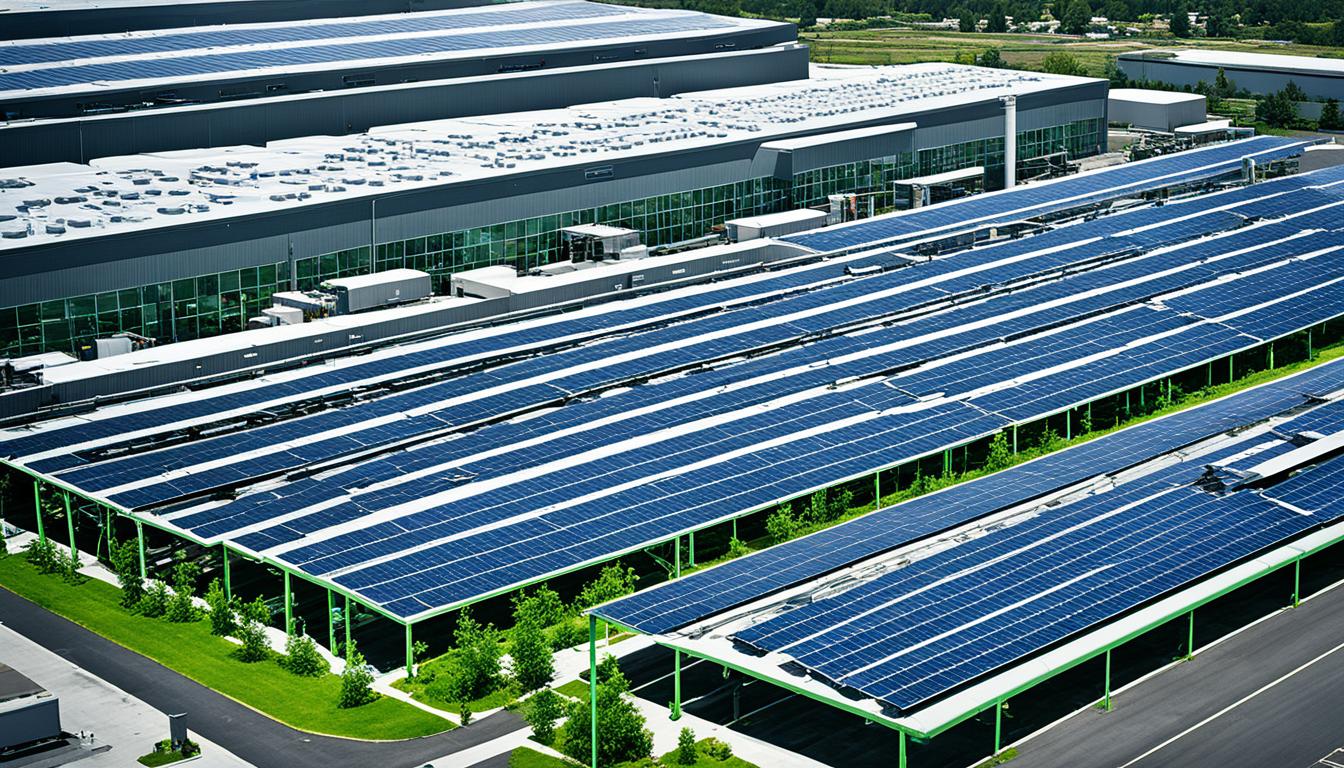
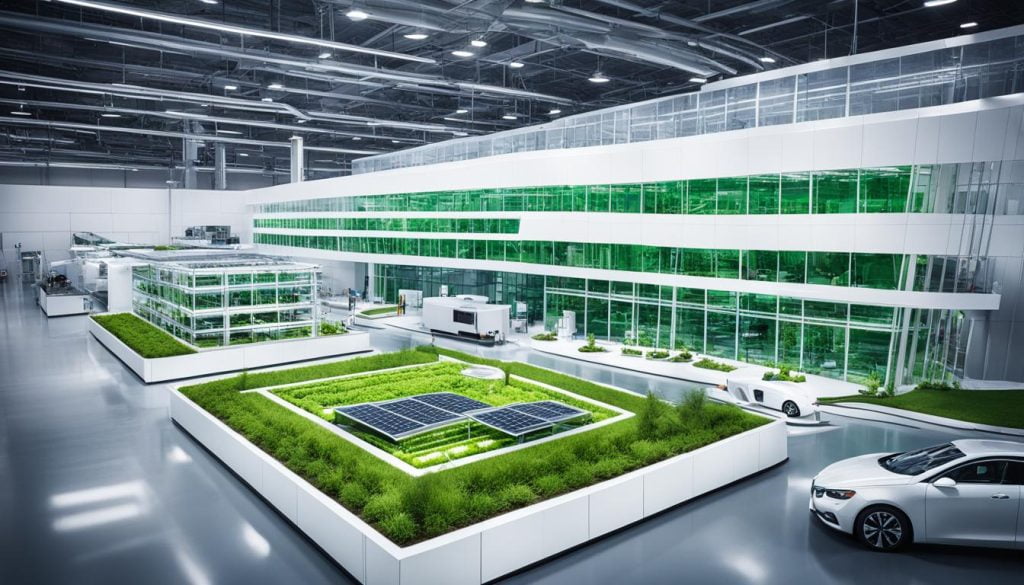
Manufacturers can further improve energy efficiency in their operations by integrating renewable energy sources into their facilities. By harnessing the power of renewable energy, such as solar panels, wind turbines, and geothermal energy, manufacturers can reduce their reliance on grid electricity and achieve a more sustainable and environmentally friendly operation.
Installing solar panels on rooftops or open spaces can generate clean and renewable electricity from the abundant energy of the sun. Solar power not only reduces the carbon footprint but also helps stabilize energy costs by minimizing dependence on traditional energy sources.
Wind turbines are another effective way to generate renewable energy. By harnessing wind power, manufacturers can produce clean electricity and contribute to a greener future. Wind power offers a reliable and sustainable energy source, especially in areas with consistent and strong winds.
Additionally, utilizing geothermal energy can provide a constant and renewable source of heat or electricity. Geothermal systems tap into the Earth’s natural heat, allowing manufacturers to reduce their reliance on fossil fuels and significantly decrease their carbon emissions.
“Integrating renewable energy sources into manufacturing facilities not only demonstrates the commitment to sustainability but also helps in achieving long-term cost savings, as renewable energy becomes more affordable and accessible” – [Brand Name]
By integrating renewable energy sources, manufacturers can take advantage of the benefits of clean and sustainable power, while also contributing to a greener and more sustainable future for the planet.
| Renewable Energy Source | Advantages |
|---|---|
| Solar Panels | – Clean and abundant source of energy – Helps stabilize energy costs – Reduces carbon footprint |
| Wind Turbines | – Harnesses renewable wind power – Generates clean electricity – Decreases reliance on traditional energy sources |
| Geothermal Energy | – Utilizes the Earth’s natural heat – Provides a constant and renewable energy source – Significant reduction in carbon emissions |
Conclusion
Implementing energy efficiency strategies in manufacturing operations is crucial for achieving cost savings, improving sustainability, and demonstrating environmental responsibility. By optimizing existing systems, conducting energy audits, investing in energy-efficient equipment, and embracing smart manufacturing, manufacturers can unlock the full potential of energy efficiency in their operations.
One of the key benefits of energy efficiency is cost savings. By reducing energy consumption and lowering energy costs, manufacturers can significantly impact their bottom line. Additionally, energy efficiency efforts contribute to sustainability by reducing greenhouse gas emissions and conserving valuable resources.
Furthermore, energy efficiency plays a vital role in fulfilling environmental responsibility. By implementing energy-saving measures, manufacturers can minimize their ecological footprint and create a cleaner and more sustainable future for generations to come.
By prioritizing energy efficiency in manufacturing, you have the power to achieve tangible cost savings, make a positive environmental impact, and demonstrate your commitment to sustainability. Embrace the energy efficiency strategies outlined in this article, and take the lead in creating a more efficient, sustainable, and responsible manufacturing industry.
FAQ
What is energy efficiency in manufacturing operations?
Energy efficiency in manufacturing operations refers to the practice of optimizing energy consumption and reducing energy waste in the manufacturing process. It involves improving the efficiency of existing systems, implementing energy management systems, and promoting employee engagement in energy-saving practices.
Why is energy efficiency important in manufacturing?
Energy efficiency is important in manufacturing for several reasons. First, it can lead to significant cost savings by reducing energy consumption and lowering energy costs. Second, it contributes to sustainability and helps create a cleaner environment by reducing greenhouse gas emissions. Finally, energy efficiency is an important factor in demonstrating environmental responsibility and meeting regulatory requirements.
How can manufacturers improve energy efficiency?
Manufacturers can improve energy efficiency by implementing various strategies. These include optimizing existing systems such as HVAC, lighting, and equipment; conducting energy audits to identify areas of inefficiency; investing in energy-efficient equipment; implementing energy management systems; and promoting employee engagement in energy-saving practices.
What are some examples of optimizing existing systems for energy efficiency?
Optimizing existing systems for energy efficiency can involve regular maintenance and upgrades to improve the efficiency of HVAC systems, lighting systems, and manufacturing equipment. This can include installing high-efficiency components, using LED lighting, and properly insulating buildings to reduce energy waste.
What are energy management systems?
Energy management systems are software-based tools that enable manufacturers to monitor and control energy usage within their facilities. These systems provide data and insights that can be used to identify areas of inefficiency and make informed decisions about energy-saving measures.
How can manufacturers promote employee engagement in energy efficiency?
Manufacturers can promote employee engagement in energy efficiency by encouraging employees to turn off equipment when not in use, promoting energy-saving practices, and creating a culture of energy efficiency within the facility. This can include training programs, incentives, and regular communication about energy-saving initiatives.
What is the importance of conducting energy audits?
Conducting energy audits is important for manufacturers to assess current energy usage patterns, identify areas of inefficiency, and develop targeted energy-saving strategies. Energy audits provide valuable insights into equipment efficiency, building efficiency, and overall energy consumption within the manufacturing facility.
How can manufacturers invest in energy-efficient equipment?
Manufacturers can invest in energy-efficient equipment by replacing outdated machinery with energy-efficient alternatives. They should look for equipment with high-efficiency ratings and advanced technology, such as variable speed drives combined with electric motors, to optimize energy consumption.
What is smart manufacturing and how does it enhance energy efficiency?
Smart manufacturing utilizes advanced automation and data analytics to enhance energy efficiency. By implementing sensors, controls, and monitoring systems, manufacturers can identify energy waste and make real-time adjustments to optimize energy usage. Smart manufacturing enables manufacturers to gain valuable insights into energy usage patterns and make informed decisions to improve energy efficiency.
How can manufacturers integrate renewable energy sources?
Manufacturers can integrate renewable energy sources by installing solar panels, wind turbines, or utilizing geothermal energy. These sources can generate clean and sustainable power, reducing reliance on grid electricity. By generating power on-site, manufacturers can stabilize energy costs and contribute to a more sustainable and environmentally friendly operation.