Are you looking for ways to maximize product quality while minimizing manufacturing costs? As a product commercialization specialist, you understand the importance of finding effective cost reduction strategies without compromising the integrity of your products. In this article, we will explore innovative approaches and techniques that can help you reduce manufacturing costs in product design. Discover how you can optimize your design process, make smarter material choices, and embrace simplicity to drive profitability and market success.
Key Takeaways:
- Understanding the design process and its iterative nature is essential in developing cost-effective solutions.
- Manufacturing costs directly impact a company’s bottom line and profitability.
- Designing for manufacturing and considering ease of production can effectively reduce costs.
- Choosing cost-effective materials and avoiding excessive features are crucial for cost optimization.
- Reassessing packaging, shipping, and supply chain efficiency can lead to significant cost savings.
Understanding the Design Process
In the world of product development, product design and engineering are two closely interconnected processes that are vital for creating successful products. Product design encompasses a range of disciplines, including aesthetics, functionality, and adherence to regulatory standards. On the other hand, engineering focuses on developing a production system that can efficiently manufacture the product.
The design process is a dynamic and iterative journey that involves problem-solving, creativity, and collaboration. It starts with identifying the needs and desires of the target market and then progresses through various stages of concept development, prototyping, and testing. Throughout this process, designers and engineers work together to refine and improve the product, ensuring it meets both the functional requirements and the desired user experience.
Understanding the design process is essential for developing cost-effective solutions. By closely aligning product design with engineering requirements, businesses can optimize the manufacturing process and reduce production costs. A well-designed product not only enhances its market appeal but also streamlines the production and assembly processes, resulting in greater efficiency and cost savings.
Design is not just what it looks like and feels like. Design is how it works. – Steve Jobs
When approaching product design, problem-solving plays a critical role. Designers must identify potential challenges and actively seek creative solutions to overcome them. Whether it’s finding alternative materials, refining production techniques, or optimizing ergonomics, problem-solving is the backbone of effective product design. By addressing complex challenges head-on, designers can drive innovation and develop products that exceed customer expectations while keeping manufacturing costs in check.
Ultimately, a deep understanding of the design process empowers businesses to create products that are not only visually appealing but also efficient to manufacture. By combining the principles of product design and engineering, problem-solving, and iterative refinement, companies can develop cost-effective solutions that resonate with their target audience and achieve long-term success.
The Iterative Nature of Design
The design process is iterative, meaning it involves cycles of refining and iterating on the initial concepts. Designers create prototypes, test them, gather feedback, and make necessary adjustments. This iterative approach allows for continuous improvement and ensures that the final product meets both the functional and aesthetic requirements.
Design Thinking for Problem Solving
Design thinking is an iterative problem-solving approach that places the end-user at the center of the design process. By empathizing with the users, defining the problem, ideating potential solutions, prototyping, and testing, designers can effectively address complex challenges and create innovative products.
Collaboration between Designers and Engineers
Collaboration between designers and engineers is crucial for successful product development. Designers bring their creative vision and deep understanding of user needs, while engineers provide technical expertise and ensure manufacturability. By working together, designers and engineers can optimize both the form and function of the product, resulting in a cost-effective and marketable solution.
The Role of Problem-Solving in Design
Problem-solving is at the core of the design process. It involves identifying challenges, brainstorming solutions, and iteratively refining those solutions through testing and feedback. By approaching design with a problem-solving mindset, designers can create products that effectively address user needs and achieve cost-efficiency in manufacturing.
The Impact of Manufacturing Costs
Manufacturing costs have a direct impact on your company’s profitability. By understanding and effectively managing these costs, you can optimize your bottom line and achieve greater financial success. Let’s take a closer look at the different components of manufacturing costs and how they contribute to your overall expenses.
Cost of Goods Sold (COGS)
The cost of goods sold includes all direct production costs, such as materials and labor. These expenses directly reflect the resources required to manufacture your products. By analyzing your COGS and identifying areas of inefficiency or excessive spending, you can take targeted actions to reduce manufacturing costs and improve your profitability.
Distribution Costs
Another important aspect of manufacturing costs is distribution expenses. These costs are associated with the transportation, warehousing, and logistics involved in delivering your products to customers. By optimizing your distribution processes, negotiating favorable shipping rates, and utilizing efficient supply chain management, you can minimize distribution costs and enhance your overall financial performance.
Sales and Advertising Costs
Effective product promotion and marketing are crucial for driving sales and maintaining a competitive edge. However, it’s important to carefully manage your sales and advertising costs to ensure they contribute to your profitability. By evaluating the effectiveness of your marketing campaigns, exploring cost-efficient advertising channels, and optimizing your sales strategies, you can reduce unnecessary expenses while maximizing the impact of your sales and advertising efforts.
Profitability
The ultimate goal of managing manufacturing costs is to improve profitability. By reducing your overall manufacturing expenses, you can increase your profit margins and create a more sustainable business model. When profitability is optimized, you have more resources available to invest in growth, innovation, and meeting customer demands.
| Component | Key Factors |
|---|---|
| Cost of Goods Sold (COGS) | Materials, labor, production efficiency |
| Distribution Costs | Transportation, warehousing, logistics |
| Sales and Advertising Costs | Marketing campaigns, advertising channels, sales strategies |
In conclusion, managing manufacturing costs is critical for optimizing profitability. By analyzing and addressing each component of manufacturing costs, including the cost of goods sold, distribution costs, and sales and advertising expenses, you can reduce unnecessary expenditures and enhance your financial performance. By taking a proactive approach to managing manufacturing costs, you can position your business for long-term success and growth.
Design for Manufacturing
Designing for manufacturing is a strategic approach that focuses on optimizing the production process, leading to cost reduction and improved efficiency. By considering the ease of manufacturing during the design phase, businesses can minimize production complexities, streamline operations, and ultimately lower the overall production price.
When implementing design for manufacturing techniques, several key strategies come into play:
- Minimizing Setup: By designing products that require minimal setup time and effort, manufacturers can reduce production costs. This involves simplifying product assembly, minimizing tooling changes, and ensuring efficient production line transitions.
- Choosing Ideal Materials: Selecting the most suitable materials for a product can significantly impact manufacturing costs. When considering design for manufacturing, it’s essential to choose materials that are readily available, cost-effective, and well-suited for the production process.
- Specifying Proper Part Tolerances: Accurate component specifications and part tolerances are crucial in design for manufacturing. By defining precise tolerances, manufacturers can reduce the chances of costly errors, rework, and scrap.
Implementing design for manufacturing principles requires collaboration between design engineers, production teams, and suppliers. By working together, these stakeholders can identify potential design improvements and cost-saving opportunities early in the product development cycle.
“Designing for manufacturing ensures that product designs are optimized for ease of production, resulting in cost reduction and enhanced quality. It’s about finding the perfect balance between functionality, aesthetics, and manufacturability.”
Design for Manufacturing Case Study: XYZ Electronics
To illustrate the impact of design for manufacturing, let’s examine a case study of XYZ Electronics, a leading consumer electronics manufacturer. XYZ Electronics implemented design for manufacturing practices in the development of their latest smartphone model.
By carefully considering the product design’s manufacturability, XYZ Electronics was able to achieve significant cost savings without compromising quality. Here’s a breakdown of the results:
| Cost Reduction Strategies Implemented | Impact on Production Price |
|---|---|
| Minimizing setup time and effort | Reduced production cost by 15% |
| Choosing cost-effective materials | Saved 10% on material costs |
| Specifying precise part tolerances | Minimized errors and increased overall efficiency, resulting in a 12% reduction in production costs |
By successfully implementing design for manufacturing principles, XYZ Electronics achieved a total production cost reduction of 37%. The company was able to offer their latest smartphone at a significantly competitive price point, ultimately driving higher sales and market share.
Designing for manufacturing is a strategic approach that not only reduces costs but also improves overall product quality and customer satisfaction. By considering manufacturing factors from the initial design stages, businesses can optimize production processes and achieve cost-effective and successful product commercialization.
Material Considerations
When it comes to manufacturing costs, the selection of materials is a critical factor to consider. Making informed decisions regarding material selection and finishes can significantly impact overall manufacturing costs. By choosing appropriate materials and finishes, you can optimize cost efficiency without compromising product quality.
One essential aspect of material considerations is gauging the overall manufacturing costs. Understanding the cost implications of different materials can help you make informed decisions throughout the production process. Analyzing factors such as material availability, pricing, and compatibility with manufacturing processes can provide valuable insights into cost optimization.
Material Finishes for Cost Optimization
The choice of material finishes can also influence manufacturing costs. Some finishes may require additional processing steps, leading to increased expenses. By carefully evaluating the necessity and potential cost impact of different finishes, you can identify cost-effective alternatives that maintain the desired aesthetic and functional requirements of the product.
Quote: “Choosing the right material finish is like adding the perfect final touch to a masterpiece.”
Minimizing Manufacturing Waste
Reducing manufacturing waste is another crucial consideration in cost optimization. Implementing lean manufacturing principles can help identify and eliminate waste throughout the production process. By streamlining operations and reducing material waste, you can achieve significant cost savings while maintaining product quality.
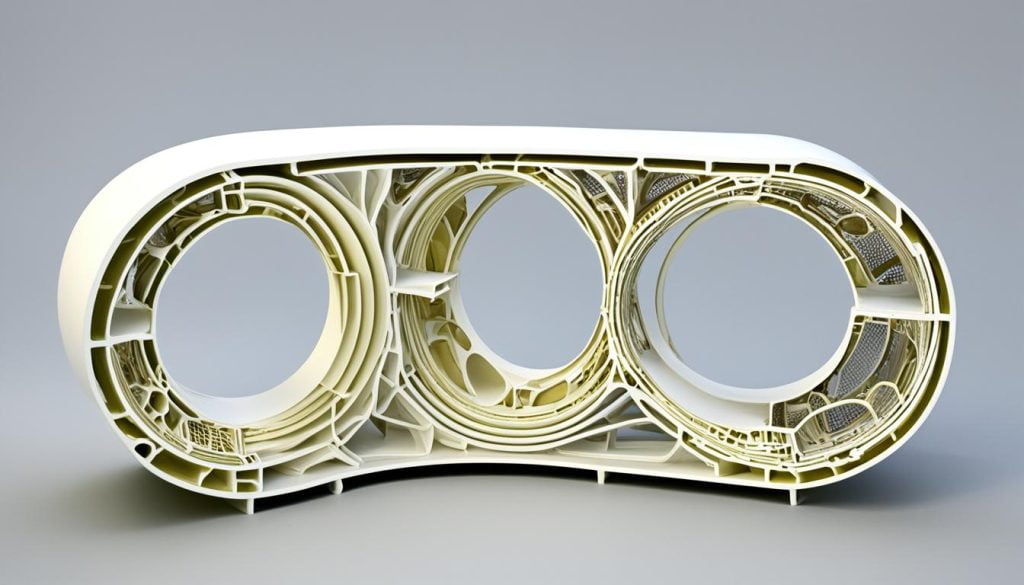
In addition to waste reduction, exploring hollow structural options can further contribute to cost reduction. Hollow structural designs provide an opportunity to optimize material usage while maintaining the necessary strength and functionality. This approach not only reduces material costs but also minimizes the overall weight of the product, potentially leading to savings in transportation and logistics expenses.
| Advantages of Hollow Structural Options | Benefits |
|---|---|
| Material Savings | Reduces material costs by optimizing usage |
| Weight Reduction | Potential savings in transportation and logistics expenses |
| Design Versatility | Offers a wide range of creative design possibilities |
Using Standard Parts and High-Volume Options
When it comes to reducing manufacturing costs, utilizing standard parts and high-volume options can make a significant difference. By incorporating these strategies into your product design, you can streamline the manufacturing process and take advantage of potential supplier discounts.
Standard parts are readily available and widely used in various industries. They are designed to fit seamlessly with other components, making assembly easier and more efficient. By opting for standard parts, you can save time and minimize production complexities.
Additionally, using high-volume parts can help reduce indirect overhead costs. When you order parts in large quantities, you can benefit from economies of scale, leading to potential supplier discounts. These savings can have a positive impact on your overall manufacturing costs.
By embracing standardization and high-volume options, you not only simplify the manufacturing process but also cut down on expenses. These cost reduction strategies enable you to optimize your production efficiency and improve your bottom line.
Benefits:
- Simplified manufacturing process
- Time and cost savings
- Potential supplier discounts
- Economies of scale
- Improved production efficiency
Using standard parts and high-volume options not only simplifies manufacturing but also contributes to significant cost reduction. By optimizing your production process, you can minimize expenses and maximize profitability.
Simplifying the Design and Eliminating Complexity
Simplifying the design eliminates unnecessary complexity, reducing the time and cost of production and assembly. By emphasizing design simplicity and carefully considering the function of each element, businesses can minimize waste and reduce manufacturing costs.
“Simplicity is the ultimate sophistication.” – Leonardo da Vinci
Complexity in design can lead to several challenges in the manufacturing process. It increases the risk of errors, requires additional testing and validation, and often results in higher scrap rates. To overcome these hurdles, reducing complexity is crucial.
Benefits of Design Simplicity
- Improved Efficiency: Simplified designs allow for streamlined manufacturing processes, reducing production time and costs.
- Enhanced Reliability: Simple designs are less prone to errors, resulting in more reliable and durable products.
- Easier Maintenance: A simplified design reduces the complexity of maintenance, making it easier to identify and resolve issues.
When simplifying the design, it’s important to focus on these key aspects:
- Part Consolidation: Minimizing the number of parts involved in a product reduces complexity and assembly time.
- Standardization: Utilizing standard parts and components simplifies assembly and minimizes production costs.
- Modularity: Designing for modularity allows for easier assembly, disassembly, and repair, reducing overall complexity.
By embracing design simplicity, businesses can achieve significant cost reductions and improve the overall efficiency of their manufacturing processes.

The Role of Scrap Reduction
Scrap reduction is a vital aspect of cost-effective manufacturing. By eliminating unnecessary complexity and optimizing the design, the amount of scrap generated is minimized. This leads to reduced material waste and lower production costs.
Scrap reduction involves:
- Focused Design: Ensuring that every design element has a specific purpose and eliminates unnecessary components that contribute to scrap generation.
- Material Optimization: Selecting materials that provide the required strength and functionality while minimizing waste during the manufacturing process.
- Lean Manufacturing Principles: Implementing strategies to improve efficiency and minimize waste throughout the production process.
By implementing design simplicity and scrap reduction strategies, businesses can achieve significant cost savings, reduce environmental impact, and enhance overall manufacturing efficiency.
Choosing Cost-Effective Materials
In order to reduce manufacturing costs, it is important to carefully consider the materials used in your product design. Choosing cost-effective materials can help optimize costs without compromising on quality. By evaluating market demand and the necessity of expensive materials, you can make informed decisions that align with both your budget and customer expectations.
One strategy for cost reduction is to reuse existing designs and processes. This approach not only saves on non-recurring design costs but also expedites time to market. By leveraging previous successful designs and production techniques, you can avoid reinventing the wheel and focus on optimizing efficiency.
Additionally, carefully analyzing the market demand for your product can guide material selection. Understanding the needs and preferences of your target audience can help you identify cost-effective materials that meet their expectations. By aligning your material choice with the market demand, you can ensure that your product remains competitive while keeping costs in check.
Furthermore, considering alternative options for material selection can provide additional cost-saving opportunities. Exploring materials with similar properties but lower material costs can help to reduce overall manufacturing expenses. By carefully evaluating the trade-offs between material performance and cost, you can make cost-effective decisions.
By implementing these cost-effective material selection strategies, you can effectively reduce manufacturing costs while maintaining quality and meeting market demand.
Benefits of Choosing Cost-Effective Materials:
- Optimized manufacturing costs
- Improved profitability
- Market competitive products
- Expedites time to market
- Enhanced production efficiency
| Material | Cost | Properties |
|---|---|---|
| Plastic A | $1 per unit | Durable, lightweight |
| Plastic B | $0.75 per unit | Similar properties to Plastic A |
| Plastic C | $2 per unit | Highly durable, impact-resistant |
“Choosing cost-effective materials is a strategic approach that can help businesses navigate the challenges of manufacturing costs. By carefully evaluating market demand and considering alternative material options, you can strike the perfect balance between quality, cost, and customer expectations.”
Avoiding Gold-Plated Designs
When it comes to product design, it’s important to strike a balance between meeting customer needs and optimizing costs. Gold-plated designs that include unnecessary features or go beyond what customers actually require can significantly inflate manufacturing costs without adding any real value to the product itself.
Instead, by focusing on meeting basic customer needs and avoiding excessive features, businesses can optimize costs while still maintaining the desired product quality. This approach requires a thorough understanding of customer requirements and a careful cost-benefit analysis.
“Simplicity is the ultimate sophistication.”
By embracing the principle of design optimization, you can deliver a product that exactly matches what your customers need, without the unnecessary bells and whistles that drive up costs. Design optimization involves streamlining the design process to eliminate any unnecessary complexities and focusing only on what truly matters – meeting customer needs and ensuring product functionality.
Remember, design optimization is not about compromising quality; it’s about making strategic decisions that maximize both customer satisfaction and cost-effectiveness.
The Benefits of Avoiding Gold-Plated Designs:
- Reduced manufacturing costs: By eliminating unnecessary features, businesses can significantly lower production expenses.
- Improved cost-benefit ratio: Design optimization allows companies to allocate resources more effectively, ensuring that every feature added to the product provides real value to the customer.
- Enhanced competitiveness: A streamlined design that meets customer needs while maintaining an attractive price point can give you a competitive edge in the market.
By avoiding gold-plated designs and prioritizing design optimization, you can create products that strike the perfect balance between customer satisfaction and cost-efficiency.
Rethinking Packaging and Shipping Expenses
When it comes to reducing manufacturing costs, it’s essential to reevaluate packaging and shipping expenses. By optimizing packaging, considering the necessity of accessories, and streamlining shipping arrangements, businesses can greatly impact their bottom line. Additionally, optimizing supply chain efficiency can lead to significant cost savings throughout the production process.
One crucial aspect to consider is packaging optimization. Reviewing packaging options and materials can help identify opportunities to cut costs without compromising product protection. By using eco-friendly materials and right-sizing packaging to fit the product and minimize waste, you can reduce packaging expenses and environmental impact simultaneously.
Another cost-saving measure is evaluating the necessity of packaging accessories. While certain accessories may enhance the overall presentation, eliminating unnecessary extras can lead to substantial savings. By focusing on the essentials and considering customer expectations, you can align your packaging with market demands while reducing manufacturing costs.
Shipping costs also play a significant role in overall expenses. Reassessing shipping arrangements and partnering with efficient logistics providers can help minimize transportation expenses. By optimizing delivery routes, consolidating shipments, and leveraging bulk discounts, you can reduce shipping costs and improve supply chain efficiency.
“Efficiency is doing things right; effectiveness is doing the right things.” – Peter Drucker
Optimizing Supply Chain Efficiency
In addition to packaging and shipping, focusing on supply chain efficiency can yield significant cost savings. Streamlining processes, reducing lead times, and implementing just-in-time inventory management can all contribute to cost optimization.
| Benefits of Supply Chain Efficiency: | Key Strategies for Optimizing Supply Chain Efficiency: |
|---|---|
| Reduced inventory carrying costs | Implementing lean manufacturing principles |
| Minimized stockouts and overstock situations | Building strong relationships with reliable suppliers |
| Improved order fulfillment and customer satisfaction | Utilizing technology for real-time visibility into inventory |
| Lower transportation and warehousing costs | Implementing just-in-time inventory management |
By continuously monitoring and optimizing supply chain operations, you can uncover hidden inefficiencies and reduce costs throughout the entire manufacturing process.
Engaging in Design Optimization Services
When it comes to design optimization, partnering with professional services can unlock a world of cost reduction strategies and enhanced product quality during the development phase. By leveraging their expertise, businesses can tap into valuable insights and industry best practices to streamline the manufacturing process and achieve optimal outcomes.
Rethinking product design is a fundamental step in cost reduction strategies. Design optimization services help identify areas where adjustments can be made to improve efficiency and reduce manufacturing costs without compromising product quality. These experts can provide valuable recommendations on material selection, structural improvements, and simplified assembly techniques.
One of the key focuses of design optimization is utilizing sustainable materials. By integrating eco-friendly and cost-effective materials into the design process, businesses can minimize environmental impact and reduce expenses. This approach not only aligns with consumer preferences for sustainability but also contributes to long-term cost savings.
Design optimization services enable businesses to maximize the value of their products by streamlining production and assembly procedures. These experts carefully analyze every step of the manufacturing process, identifying opportunities to eliminate inefficiencies and reduce costs. By eliminating unnecessary steps and fine-tuning assembly techniques, companies can improve productivity and minimize waste, leading to significant cost reductions.
Engaging in design optimization services empowers businesses to implement effective cost reduction strategies while maintaining the highest standards of product quality. By working with experts in the field, companies can optimize their designs, integrate sustainable materials, and streamline production and assembly processes. This holistic approach not only improves manufacturing efficiency but also enhances the overall value proposition of the product.
In the next section, we will explore the conclusion of this article, summarizing the key takeaways from our discussion on cost reduction strategies, product design, manufacturing costs, and the benefits of engaging in design optimization services.
Conclusion
Implementing cost reduction strategies in product design is essential for maximizing profitability and achieving success in the market. By incorporating design for manufacturing, material selection, simplification, and cost-effective alternatives, businesses can effectively reduce manufacturing costs.
Designing products for ease of production, minimizing waste, and using standard parts and high-volume options can significantly impact manufacturing costs. Simplicity in design and focusing on customer needs, while avoiding excessive features, can also contribute to cost reduction. Furthermore, choosing cost-effective materials and rethinking packaging and shipping expenses are key considerations for optimizing manufacturing costs.
Engaging in design optimization services can further streamline the product development process and ensure sustainable, cost-efficient outcomes. By embracing innovative strategies and leveraging expertise, businesses can achieve higher product quality, reduced manufacturing costs, and a competitive edge in the market.
FAQ
What are some effective strategies for reducing manufacturing costs in product design?
Strategies for reducing manufacturing costs in product design include designing for manufacturing, material substitution efficiency, using standard parts and high-volume options, simplifying the design, choosing cost-effective materials, avoiding gold-plated designs, rethinking packaging and shipping expenses, and engaging in design optimization services.
What is the design for manufacturing approach?
Design for manufacturing is a specialized approach that focuses on designing products that are easy to manufacture. By considering the difficulty of manufacturing a product and using techniques like minimizing setup, choosing ideal materials, and specifying proper part tolerances, design for manufacturing can effectively reduce production costs.
How does material selection impact manufacturing costs?
Material selection plays a significant role in manufacturing costs. Considering material finishes and choosing appropriate materials can help gauge overall manufacturing costs. Minimizing manufacturing waste through lean manufacturing principles and exploring hollow structural options can also contribute to cost reduction.
How can using standard parts and high-volume options reduce manufacturing costs?
Using standard parts simplifies the manufacturing process and allows for easier sourcing and combining of parts. This can lead to reduced indirect overhead costs and potential supplier discounts. Increasing order volumes for high-volume parts can also help minimize costs.
How does simplifying the design help reduce manufacturing costs?
Simplifying the design eliminates unnecessary complexity, which in turn reduces the time and cost of production and assembly. By minimizing the number of parts and processes involved in manufacturing, businesses can minimize waste and achieve cost savings.
What considerations should be made when choosing cost-effective materials?
When choosing cost-effective materials, it’s important to evaluate market demand and consider the necessity of expensive materials. This can help optimize costs without compromising quality. Reusing existing designs and processes can also save non-recurring design costs and expedite time to market.
Why should businesses avoid gold-plated designs?
Gold-plated designs include unnecessary features or exceed customer needs, which can inflate manufacturing costs without adding value. Focusing on meeting basic customer needs and avoiding excessive features can help optimize costs while maintaining product quality.
How can businesses reduce manufacturing costs related to packaging and shipping?
Businesses can review packaging options and consider the necessity of accessories to reduce manufacturing costs. Packaging should align with customer expectations while avoiding unnecessary expenses. Additionally, reassessing shipping arrangements and optimizing supply chain efficiency can lead to significant cost savings.
What are the benefits of engaging in design optimization services?
Engaging in design optimization services allows businesses to identify and implement cost-effective strategies during product development. By rethinking product design, utilizing sustainable materials, and streamlining production and assembly procedures, companies can reduce manufacturing costs without compromising product quality.