Did you know that workplace injuries cost businesses in the United States more than $170 billion every year? The staggering impact of these incidents not only affects the financial bottom line but also takes a toll on the lives and well-being of employees.
Personal Protective Equipment (PPE) is a critical component in mitigating workplace hazards and reducing the risk of injuries and illnesses. From safety gear to protective clothing, PPE provides workers with the necessary tools to safeguard themselves while on the job.
Key Takeaways:
- PPE is essential for minimizing workplace injuries and illnesses.
- Employers must provide properly designed and maintained PPE to workers.
- OSHA has specific standards for PPE in various industries.
- PPE helps businesses comply with regulatory requirements and improve overall productivity.
- Proper training on PPE use is crucial for employee safety.
What is Personal Protective Equipment?
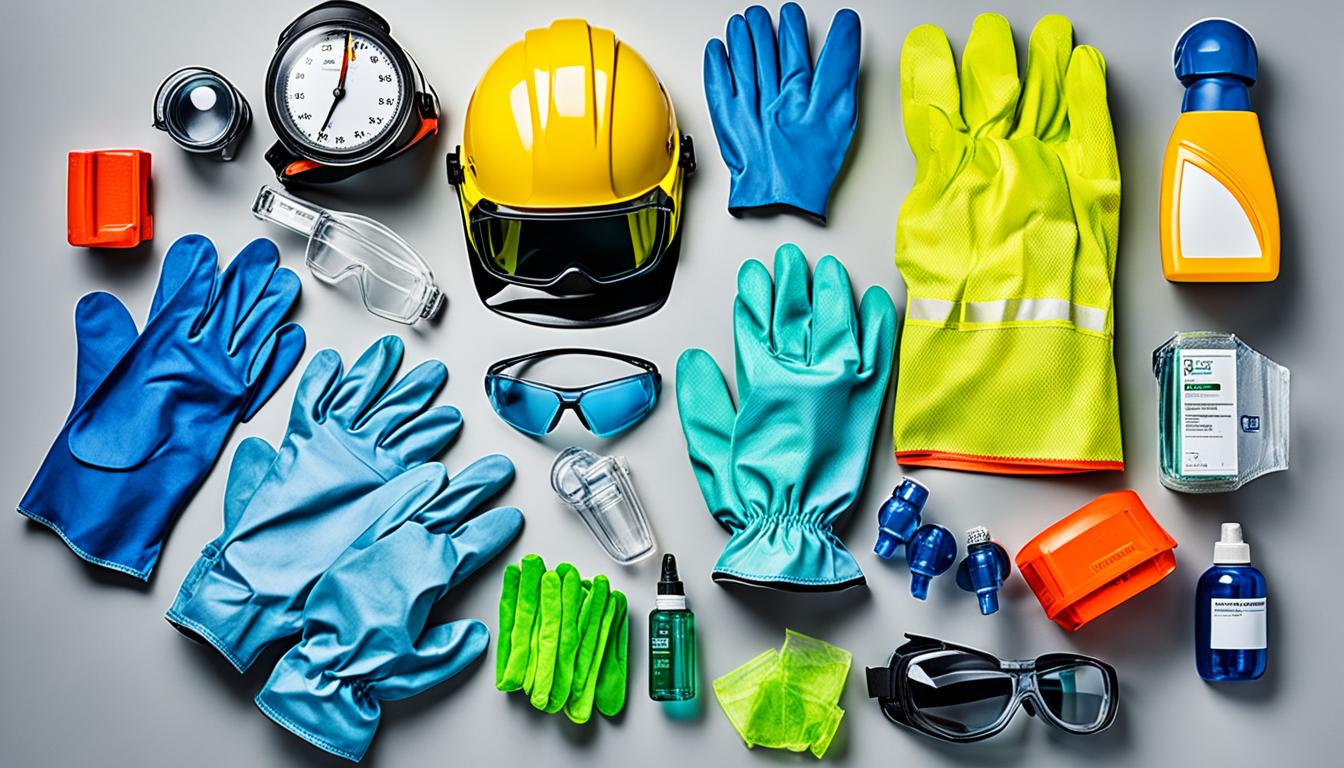
Personal protective equipment, or PPE, is specialized clothing or equipment worn by workers to protect them from exposure to various workplace hazards. This may include chemicals, physical hazards, electrical hazards, and more. PPE can include gloves, safety glasses, respirators, and full-body suits. The purpose of PPE is to minimize the risk of injuries and illnesses caused by these hazards.
Personal protective equipment plays a vital role in safeguarding workers from workplace hazards. It acts as a barrier between employees and potential dangers, reducing the likelihood of accidents, injuries, and illnesses. By wearing the appropriate PPE, workers can create a safer and more secure working environment for themselves.
Whether it’s protecting against chemical splashes, airborne particles, or physical impacts, PPE serves as a crucial defense mechanism. Safety gloves shield the hands from cuts, burns, and chemicals, while safety glasses provide eye protection against debris, projectiles, and harmful substances. Respirators filter out respiratory hazards, ensuring clean air for workers, and full-body suits offer comprehensive coverage against multiple hazards.
Employers have a legal and ethical responsibility to provide adequate PPE to their workers, ensuring their safety and well-being. It is vital for employees to understand the importance of wearing PPE consistently and correctly, following the recommended guidelines and best practices for each type of equipment. By doing so, they can reduce the risk of workplace accidents and protect themselves from the potential harm associated with workplace hazards.
Next, we will explore the various factors and considerations involved in ensuring the proper selection, use, and maintenance of PPE in the workplace.
Ensuring Proper Use of Personal Protective Equipment
To ensure the proper use of Personal Protective Equipment (PPE), it is crucial for employers to implement a comprehensive PPE program. This program should encompass various aspects such as selection, maintenance, and proper use of PPE, along with employee training and monitoring.
The first step in ensuring proper use of PPE is providing thorough training to workers. Employees should receive training on when and what type of PPE is necessary for different tasks and work environments. This includes understanding the specific hazards they may encounter and the appropriate PPE required to mitigate those risks. Training should cover the proper way to use and adjust the equipment, as well as its limitations.
In addition to training, regular maintenance and care of PPE are essential. Workers should be educated on how to inspect their PPE regularly for any signs of damage or wear. Proper cleaning and storage procedures should also be emphasized to ensure the longevity of the equipment. If any issues or defects are detected, employees should be encouraged to report them to their supervisors immediately.
Disposal of PPE is another crucial aspect that should be addressed in the training program. Workers need to be aware of the proper procedures for disposing of used or damaged PPE. This helps prevent any potential contamination or further exposure to hazards.
By implementing a robust PPE program that includes comprehensive training, maintenance, and disposal procedures, employers can ensure that workers are equipped with the knowledge and resources to use PPE correctly. This not only protects employees from workplace hazards but also promotes a culture of safety within the organization.
Implementing a PPE program and providing training on proper use, maintenance, and disposal of PPE are crucial steps towards creating a safe and healthy work environment.
Standards for Personal Protective Equipment
When it comes to personal protective equipment (PPE), adherence to established standards is of utmost importance. Various organizations have developed specific standards to ensure that PPE is effectively designed, constructed, and capable of providing adequate protection for workers. In the United States, two prominent sets of standards are enforced: those prescribed by the Occupational Safety and Health Administration (OSHA) and the American National Standards Institute (ANSI).
Under OSHA, different industries such as general industry, maritime, and construction have specific standards for PPE. These standards outline the requirements for various categories of protective equipment and provide guidelines for their proper utilization.
OSHA also requires that many types of PPE meet or be equivalent to the standards developed by ANSI. ANSI standards are widely recognized and accepted throughout the industry, ensuring that PPE conforms to rigorous criteria for design, construction, and performance.
By adhering to OSHA and ANSI standards, employers can be confident that the PPE they provide to their workers meets the necessary requirements for effective protection. Employees can then carry out their tasks with confidence, knowing that their safety is a priority.
Comparison Table: OSHA Standards vs. ANSI Standards
| Category | OSHA Standards | ANSI Standards |
|---|---|---|
| General Industry PPE | Protective equipment requirements for various hazards in general industry settings. | Establishes minimum performance and design criteria for various types of PPE. |
| Maritime PPE | Specific requirements for PPE in maritime operations to protect workers from hazards such as falls, drowning, and exposure to harmful substances. | Outlines criteria for PPE design and functionality to ensure worker safety in maritime environments. |
| Construction PPE | Construction-specific PPE requirements to address hazards like falls, head injuries, electrical shocks, and more. | Defines standards for PPE performance and construction in the construction industry to promote worker safety. |
It is crucial for employers and employees alike to be aware of and comply with these standards to ensure the effectiveness of PPE in truly safeguarding workers. By adhering to these guidelines, businesses can demonstrate their commitment to workplace safety and create a culture that prioritizes the well-being of their workforce.
Importance of PPE Safety
PPE safety is crucial for creating a safe working environment and preventing occupational injuries, illnesses, and fatalities. By using personal protective equipment (PPE), businesses can protect employees from various risks and hazards, including chemical exposure, infectious diseases, and physical injuries. Implementing PPE safety measures is not only vital for safeguarding the well-being of workers but also for complying with regulatory requirements and enhancing overall productivity and efficiency.
Workplace safety is a fundamental priority for any organization. By prioritizing PPE safety, businesses can mitigate the potential harm that employees may encounter while performing their duties. PPE helps create a barrier between workers and occupational hazards, limiting their exposure and reducing the likelihood of accidents or illnesses. It ensures that employees have the necessary protective gear to shield them from potential harm.
Preventive Measures
Employers must provide appropriate PPE to their employees and ensure that it is supplied in adequate quantities. This means that workers should have access to a variety of safety equipment, such as gloves, safety glasses, face masks, helmets, and protective clothing. The selection of PPE should be based on the specific hazards present in the workplace.
In addition to providing PPE, employers must also emphasize the importance of proper usage and maintenance. This includes training employees on how to correctly wear and adjust PPE, as well as the proper procedures for cleaning and maintaining the equipment. Regular inspections should be conducted to ensure that PPE is in good condition and free from defects.
“The use of PPE is not only a legal requirement but also a moral obligation to protect the health and well-being of employees. It is a crucial component of a comprehensive safety program and should never be overlooked.”
Implementing preventive measures, such as PPE safety protocols, can significantly reduce the number of work-related injuries and illnesses. Employers should prioritize employee safety by providing the necessary resources and training to ensure that PPE is utilized effectively. By doing so, businesses can create a culture of safety, fostering a work environment where employees feel protected and valued.
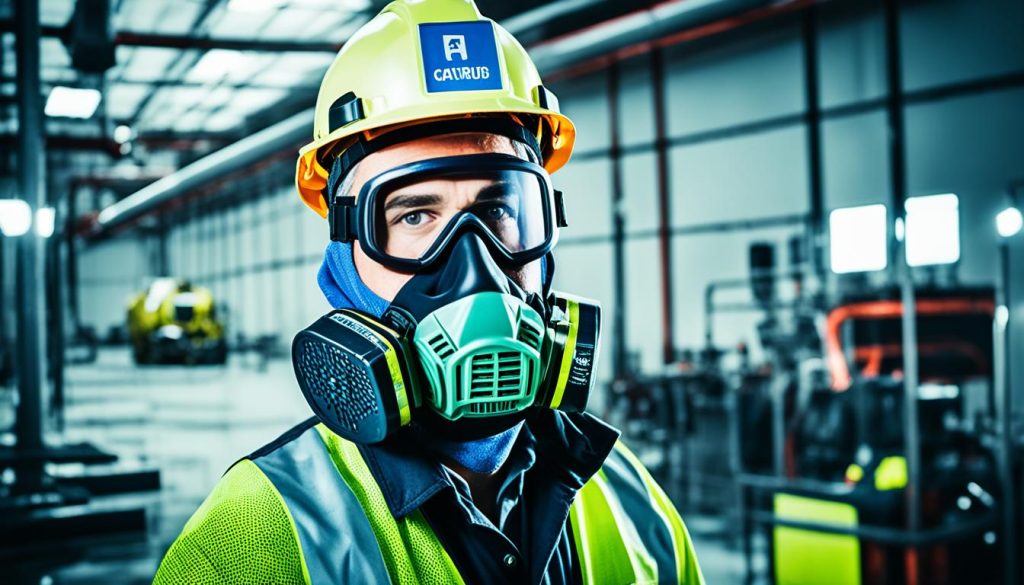
In conclusion, PPE safety is paramount when it comes to workplace safety. It serves as a vital line of defense against potential hazards, protecting employees from harm and minimizing the risk of accidents or illnesses. By investing in PPE and implementing effective safety measures, businesses can prioritize the well-being of their workforce, comply with regulatory requirements, and ultimately create a safer and more productive work environment.
Types of Personal Protective Equipment
Personal protective equipment (PPE) encompasses a wide array of safety gear and clothing designed to protect workers from potential hazards in the workplace. Different types of PPE are tailored to safeguard specific body parts and mitigate the risks associated with various hazards.
Gloves
Gloves are an essential form of hand protection in many industries. They shield the hands from chemicals, contaminants, and physical injuries. Common materials used for gloves include latex, nitrile, and vinyl. The choice of glove material depends on factors such as allergies and the level of dexterity required. It is crucial to select the appropriate glove type for the specific task and replace them when torn or heavily soiled.
Eye and Face Protection
Eye and face protection, such as safety glasses and face shields, are vital for shielding the eyes and face from chemical splashes, flying debris, and other potential hazards. These protective equipment must meet specific standards to ensure optimal defense against workplace risks. Eye and face protection should be worn whenever there is a risk of eye or facial injuries.
Respiratory Protection
Respiratory protection, including respirators and masks, is crucial in environments where workers may be exposed to harmful airborne particles, gases, or vapors. These protective devices create a barrier that filters or isolates contaminants, ensuring that the worker breathes clean air. It is essential to select the appropriate respiratory protection based on the specific hazards present.
Head Protection
Head protection is critical in industries where workers may be at risk of head injuries from falling objects, impacts, or electrical hazards. Hard hats are the most common form of head protection, designed to absorb and distribute impact energy, protecting the skull and brain. It is essential to wear a properly fitted hard hat whenever there is a risk of head injury.
Body Protection
Body protection includes various forms of protective clothing, such as coveralls, safety vests, and chemical-resistant suits. These garments shield the body from chemical splashes, excessive heat or cold, and other potential hazards. The choice of body protection depends on the specific risks involved in a particular job.
Hand Protection
Hand protection extends beyond gloves and includes items like arm sleeves and gauntlets. These additional hand protection options provide added coverage and shielding against specific hazards such as thermal burns, chemical splashes, and sharp objects.
Foot Protection
Foot protection, typically in the form of safety boots or shoes, is crucial in workplaces where there is a risk of foot injuries from falling objects, electrical hazards, or slippery surfaces. Safety boots often feature steel toe caps to protect the toes from impacts and compression. It is important to wear appropriate foot protection to minimize the risk of foot injuries.
Fall Protection
Fall protection equipment is necessary in industries where working at heights is required. This equipment includes harnesses, lanyards, and anchor points that secure workers and prevent falls. Fall protection systems must be properly designed, installed, inspected, and used to ensure worker safety when working at elevated locations.
Hearing Protection
Hearing protection devices, such as earplugs and earmuffs, are essential for safeguarding workers from excessive noise levels. Prolonged exposure to high noise levels can lead to hearing loss and other auditory problems. It is vital to select the appropriate hearing protection based on the noise levels in the workplace.
By providing workers with the appropriate personal protective equipment for their respective tasks, employers can ensure the safety and well-being of their workforce. Remember to assess the specific hazards present in your workplace and select the appropriate PPE to protect against those risks.
Factors Influencing PPE Selection
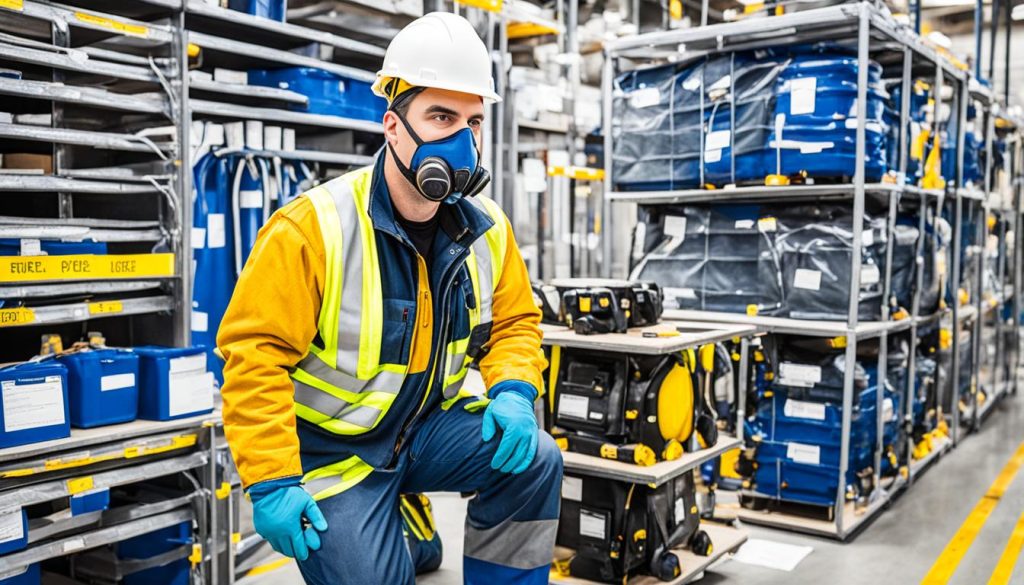
When selecting personal protective equipment (PPE), several factors should be taken into consideration to ensure optimal protection against workplace hazards. These factors include the type of exposure anticipated, the durability of the equipment, and the fit of the PPE.
Type of exposure: The specific type of exposure anticipated, such as splash/spray or touch, will determine the appropriate PPE to be used. Different hazards require different types of protection, and selecting the right PPE for the job is crucial in minimizing the risk of injuries or illnesses.
Durability: The durability of the PPE is an essential factor to consider, especially in high-risk environments. The equipment should be able to withstand the demands of the task and remain effective over time. Choosing durable PPE ensures that it can provide reliable protection throughout its intended use.
Fit: Proper fit is another critical factor in PPE selection. Ill-fitting equipment can compromise its effectiveness and may even cause discomfort or impair the wearer’s ability to perform tasks safely. PPE should be selected based on individual sizes and adjusted to fit properly to ensure maximum protection.
By considering the type of exposure, durability, and fit of the equipment, employers can make informed decisions when selecting the appropriate PPE for their workers. This proactive approach to PPE selection helps minimize the risk of workplace injuries and illnesses, promoting a safer and healthier work environment.
Key Takeaways:
- Factors influencing PPE selection include the type of exposure, durability, and fit.
- The type of exposure determines the specific PPE needed to protect against anticipated hazards.
- Durable PPE ensures long-lasting effectiveness in high-risk environments.
- Proper fit is crucial for optimal protection and comfort.
Proper Use and Maintenance of Gloves
Gloves are an essential tool for personal protective equipment (PPE) in various industries. Whether you’re working in patient care, environmental services, or any task where hand protection is necessary, knowing the proper use and maintenance of gloves is crucial. Let’s explore some key points to remember when it comes to glove use.
Choosing the Right Glove Material
When selecting gloves, consider factors such as allergies and the level of dexterity required for the task at hand. Common glove materials include vinyl, latex, and nitrile. Vinyl gloves are suitable for low-risk tasks, while latex gloves offer excellent tactile sensitivity. Nitrile gloves, on the other hand, provide a higher level of chemical resistance. Choose the material that best suits your specific needs.
Single Use vs. Reusable Gloves
Deciding between single-use and reusable gloves depends on the task and the level of contamination present. Single-use gloves should be used when working with hazardous materials or in situations where cross-contamination is a concern. Reusable gloves may be suitable for tasks that involve less risk and can be properly decontaminated between uses.
Do’s and Don’ts of Glove Use
Adhering to the following do’s and don’ts will help ensure the effectiveness of glove use:
- DO wash your hands before putting on gloves to prevent contaminating the inside of the gloves.
- DO ensure gloves fit properly, covering your hands fully and without any gaps.
- DO remove gloves properly by grabbing the outside of one glove near the wrist and pulling it off, then using the bare hand to remove the other glove.
- DO dispose of single-use gloves appropriately after use.
- DON’T touch your face, phone, or any other non-clean surfaces while wearing gloves.
- DON’T reuse single-use gloves or wash and re-wear disposable gloves.
- DON’T wear gloves with damaged or weakened material.
Remember, gloves are only effective when used correctly. Maintain a supply of gloves, regularly check for damage, and discard any gloves that are torn or heavily soiled. Following these guidelines will help keep you and those around you protected.
Importance of Proper PPE Training
Proper training on the use of Personal Protective Equipment (PPE) is crucial to ensure employee safety and minimize workplace hazards. Employers have a responsibility to provide comprehensive PPE training to their workforce, ensuring they have the knowledge and skills to use PPE effectively.
During PPE training, employees should be educated on the specific types of PPE required for their tasks and when to use them. This includes understanding the various hazards present in the workplace and the appropriate PPE to mitigate those risks.
Training Requirements:
- Employees must be trained on the proper donning and doffing procedures for each type of PPE they will be using.
- They should also be educated on the limitations of PPE and when additional control measures are necessary.
- Training should include information on the importance of maintaining and disposing of PPE properly to ensure its effectiveness.
PPE training should be conducted regularly, especially when new equipment is introduced or when changes occur in work processes or hazards. By providing ongoing training, employers can ensure that employees stay up to date with the latest safety protocols and best practices, minimizing the risk of accidents and injuries.
Benefits of Proper PPE Training:
Proper PPE training offers several benefits that contribute to maintaining a safe working environment:
- Enhanced Employee Safety: By ensuring employees are trained to use PPE correctly, employers can significantly reduce the risk of workplace injuries and illnesses. This creates a safer work environment and promotes a culture of safety.
- Increased Compliance: Adequate PPE training helps businesses comply with regulatory requirements, such as OSHA standards, ensuring they meet their legal obligations to protect their workforce.
- Improved Efficiency: Proper training on PPE use can improve work efficiency by reducing the time wasted on improper utilization of safety equipment. Employees who are well-trained in the correct use of PPE can focus on their tasks, knowing they are adequately protected.
“Proper training on the use of PPE is a fundamental aspect of employee safety, fostering a culture of protection and compliance in the workplace.”
| Benefits of Proper PPE Training | Advantages |
|---|---|
| Enhanced Employee Safety | Minimizes the risk of workplace injuries and illnesses |
| Increased Compliance | Ensures adherence to regulatory standards |
| Improved Efficiency | Reduces time wasted on improper use of PPE |
Regulatory Requirements for PPE
When it comes to ensuring workplace safety, regulatory requirements play a critical role. Two major entities that provide guidance on personal protective equipment (PPE) are the Occupational Safety and Health Administration (OSHA) and the Centers for Disease Control and Prevention (CDC). Let’s take a closer look at the regulations and recommendations they provide:
OSHA Regulations and PPE Requirements
OSHA, a federal agency under the United States Department of Labor, sets and enforces standards to ensure safe and healthy working conditions. OSHA regulations include specific requirements for PPE use in different industries, such as general industry, maritime, and construction. Compliance with these regulations is crucial for protecting workers from workplace hazards.
“OSHA requires employers to assess the workplace for hazards and provide appropriate PPE to employees. This includes conducting a hazard assessment, selecting suitable protective equipment, and ensuring its proper use, maintenance, and disposal.”
Employers must carefully evaluate potential workplace hazards and select PPE that meets OSHA’s standards or are equivalent to the American National Standards Institute (ANSI) standards. This ensures the PPE provides adequate protection to employees.
CDC Recommendations for PPE Use
In addition to OSHA regulations, the CDC offers valuable recommendations for PPE use, particularly in preventing exposure to infectious diseases. These recommendations can help healthcare settings and other industries minimize the risk of spreading illnesses.
“The CDC provides guidance on when and how to use PPE to protect against infection. This includes instructions for donning and doffing PPE, as well as practical advice on maintaining cleanliness and preventing contamination.”
As infectious diseases can pose significant risks, following the CDC’s recommendations is essential for safeguarding the health and well-being of both employees and the general public.
By adhering to both OSHA regulations and CDC recommendations, employers can ensure compliance with safety standards and protect their workforce from potential hazards.
OSHA Regulations and CDC Recommendations
| Aspect | OSHA Regulations | CDC Recommendations |
|---|---|---|
| Hazard Assessment | Employers must assess workplace hazards and select appropriate PPE. | CDC offers guidance on risk assessment and recommended PPE for specific infectious diseases. |
| PPE Selection | PPE must meet OSHA standards or be equivalent to ANSI standards. | CDC provides specific instructions on selecting PPE based on disease transmission routes. |
| PPE Training | Employers must provide training on proper PPE use, maintenance, and disposal. | CDC offers training resources and materials on infection prevention and control. |
| PPE Compliance | Employers must ensure employees comply with PPE use and safety protocols. | CDC emphasizes proper donning, doffing, and disposal procedures to prevent contamination. |
PPE Safety in Healthcare Settings
PPE safety plays a critical role in healthcare settings, where healthcare personnel face the risk of exposure to various infectious diseases. To protect healthcare workers and prevent the spread of infections, it is crucial to focus on proper selection, use, and maintenance of personal protective equipment (PPE).
When it comes to PPE selection in healthcare, it is essential to consider the type of exposure anticipated and the specific hazards present. Different healthcare settings may require different types of PPE to ensure the safety of healthcare personnel. For example:
- Gloves: Healthcare personnel should wear gloves to protect against exposure to bodily fluids, pathogens, and chemicals.
- Face Masks and Respirators: Depending on the circumstances, healthcare workers may need to wear face masks or respirators to protect against airborne diseases or particles.
- Eye Protection: Safety glasses or goggles may be necessary to protect healthcare personnel from exposure to infectious droplets, chemicals, or other hazards.
- Protective Clothing: Full-body suits or gowns may be required to provide additional protection against contamination or exposure to hazardous substances.
Proper use and maintenance of PPE are equally important in healthcare settings. Healthcare workers must receive training on how to correctly don and doff PPE, ensuring a tight seal and minimal risk of contamination. Regular inspections and proper storage of PPE items are essential to maintain their effectiveness.
“The proper selection, use, and maintenance of PPE are critical for protecting healthcare workers and preventing the spread of infections.”
Key Considerations for PPE Selection in Healthcare
When selecting PPE for healthcare settings, it is important to consider the following:
- The type of exposure anticipated: Different healthcare tasks may involve various types of exposure, such as contact with bodily fluids, airborne particles, or hazardous chemicals.
- The level of protection required: PPE should provide adequate protection against the identified hazards, considering factors such as the size of the particles or pathogens.
- The fit and comfort of the equipment: PPE should fit well and be comfortable to wear for extended periods without compromising its effectiveness.
- The durability of the equipment: Healthcare personnel often require PPE that can withstand repeated use or exposure to chemicals or fluids.
PPE Selection Guidelines for Healthcare
| PPE | Hazards Protected Against | Key Considerations |
|---|---|---|
| Gloves | Contact with bodily fluids, pathogens, chemicals | Choose appropriate glove material (latex, nitrile, vinyl) based on allergies, dexterity requirements, and expected exposure. |
| Face Masks and Respirators | Airborne diseases, particles | Follow guidelines for selecting appropriate masks or respirators based on filtration efficiency and fit. |
| Eye Protection | Infectious droplets, chemicals | Select safety glasses or goggles that provide adequate coverage and protect against specific hazards. |
| Protective Clothing | Contamination, exposure to hazardous substances | Choose gowns or suits that cover the entire body and provide sufficient barrier protection. |
Conclusion
Personal protective equipment (PPE) is a critical component of workplace safety, serving to protect workers from a wide range of hazards. By implementing effective PPE programs, providing comprehensive training, and adhering to regulatory requirements, businesses can create a safe working environment for their employees.
PPE plays a crucial role in minimizing workplace injuries and illnesses, safeguarding workers from exposure to chemicals, physical hazards, and other risks. It encompasses various types of protective gear, including gloves, safety glasses, respiratory masks, and hard hats, each designed to address specific workplace hazards.
For optimal protection, it is essential to select the appropriate PPE based on the type of exposure and the level of risk. In addition, employees should receive thorough training on PPE usage, ensuring they understand when and how to use it effectively. Regular maintenance and proper disposal of PPE are also important to ensure its continued effectiveness.
In conclusion, prioritizing the use of PPE is essential for workplace safety in all industries. By recognizing the importance of PPE, businesses can better protect their employees, comply with regulations, and foster a culture of safety. Incorporating PPE as part of a comprehensive safety strategy will contribute to a healthier and more secure work environment.
FAQ
What is personal protective equipment (PPE)?
Personal protective equipment, commonly known as PPE, refers to specialized clothing or equipment worn by workers to protect them from exposure to various workplace hazards like chemicals, physical hazards, and electrical hazards.
What does PPE include?
PPE includes items such as gloves, safety glasses, earplugs, hard hats, and respirators.
Why is the use of PPE important?
The use of PPE is important because it helps minimize the risk of injuries and illnesses caused by workplace hazards.
What is a PPE program and why is it important?
A PPE program is a set of guidelines and procedures implemented by employers to address the selection, maintenance, and use of PPE. It is important because it ensures that workers are provided with appropriate PPE and are trained on how to use and care for it.
Are there specific standards for PPE?
Yes, OSHA has specific standards for PPE in various industries to ensure that it is properly designed, constructed, and provides adequate protection for workers. Many categories of PPE must meet or be equivalent to standards developed by the American National Standards Institute (ANSI).
Why is PPE safety important in the workplace?
PPE safety is important in the workplace because it helps create a safe working environment, prevents occupational injuries and illnesses, and ensures compliance with regulatory requirements.
What are some common types of PPE?
Common types of PPE include gloves, safety glasses, respirators, hard hats, safety vests, safety boots, fall protection equipment, and hearing protection.
What factors should be considered when selecting PPE?
Factors such as the type of exposure anticipated, durability, and fit should be considered when selecting PPE.
How should gloves be used and maintained?
Gloves should be used for tasks where hand protection is necessary and should be changed when torn or heavily soiled. They should never be washed or reused.
Why is proper PPE training important?
Proper PPE training is important to ensure employee safety. It includes training on when and how to use specific types of PPE, as well as proper donning and doffing procedures.
What are the regulatory requirements for PPE?
OSHA issues regulations for workplace health and safety, including requirements for PPE use. Employers must provide appropriate PPE to employees and ensure its proper maintenance and disposal. The CDC also provides recommendations for PPE use to prevent exposure to infectious diseases.
Why is PPE safety important in healthcare settings?
PPE safety is particularly important in healthcare settings to protect healthcare personnel from exposure to infectious diseases and prevent the spread of infections.