In the realm of global manufacturing, adherence to quality standards for manufacturing is not just a formality—it’s a fundamental component of operational success. These standards are a testament to your commitment to excellence, representing manufacturing best practices and setting your products apart in a crowded marketplace.
Production certifications are the blueprints that guide you through the complex terrain of manufacturing requirements. They don’t just reflect your ability to meet minimum expectations; they showcase your dedication to optimizing processes and exceeding industry norms. As a manufacturer, understanding and implementing manufacturing compliance requirements becomes a strategic asset, elevating your enterprise in the eyes of clients and competitors alike.
Securing internationally recognized endorsements such as those from the International Organization for Standardization (ISO), the American Society of Mechanical Engineers (ASME), and Underwriters Laboratories (UL) can open doors to new markets and fortify your reputation for quality and reliability. Let’s explore the power of certifications and standards in ensuring the robustness and integrity of your manufacturing processes.
Key Takeaways
- Manufacturing certifications, much like a seal of quality, are critical for gaining a competitive edge.
- Industry compliance is non-negotiable—adopter manufacturing best practices to thrive in global markets.
- Understanding production certifications can help streamline operations and ensure consistency.
- Recognizing the importance of manufacturing compliance requirements can mitigate risk and enhance reputation.
- Participation in standards development can influence future manufacturing practices and technologies.
- ISO, ASME, and UL certifications are not just badges of honor but passports to international recognition and success.
Understanding the Importance of Certifications in Manufacturing
When exploring the manufacturing sector, one cannot underestimate the value of industry certifications in manufacturing. These certifications are far more than a mere series of accolades; they are fundamental to a company’s core operational effectiveness. In this competitive landscape, manufacturing industry accreditations can significantly enhance your credibility and market presence. Let’s delve into how these certifications underpin the very essence of manufacturing excellence.
Certifications echo a company’s commitment to quality, showcasing adherence to high standards and best practices within the industry. Not only do they reflect a pledge to continuous improvement, but they also vouch for a manufacturer’s competence to potential clients and partners globally. Standing out in a crowded market is no easy feat, and certifications provide that crucial competitive edge.
Industry leaders affirm having certifications is not just about meeting benchmarks—it’s about setting them. – National Institute of Standards and Technology.
Awarded by esteemed bodies such as the National Institute of Standards and Technology (NIST), Society of Automotive Engineers (SAE International), and the International Automotive Task Force (IATF), these certifications serve as a beacon of trust and efficiency.
- Identify how certifications like those from NIST shape operational strategies, boosting efficiency and product quality.
- Investigate the ways SAE International accreditations drive innovation and excellence in automotive manufacturing.
- Explore the role IATF standards play in harmonizing the stringent requirements of the automotive industry globally.
These manufacturing industry accreditations also pave the way for international trade, ensuring compliance with globally recognized standards and thereby facilitating market access in various regions. Moreover, they often lead to reduced operational costs by streamlining processes and minimizing waste through the adoption of better manufacturing practices.
In conclusion, seeking and maintaining these certifications should be a strategic priority for manufacturers aiming at long-term success. By doing so, you position your manufacturing practice at the forefront of the industry, fully capable of exceeding both market and consumer expectations.
Key Certifications in the Manufacturing Industry
In the competitive landscape of modern manufacturing, understanding and obtaining recognized manufacturing certifications can distinguish your operations and products in the global marketplace. These certifications, which are built upon stringent ISO standards, ASME certification requirements, and UL certification regulations, serve as markers of credibility, quality, and safety. Let’s explore these pivotal certifications and what they mean for businesses like yours.

ISO Standards: Ensuring Global Quality and Compatibility
The International Organization for Standardization, or ISO, is universally recognized for its comprehensive standards that assure quality, safety, and efficiency across a variety of industries. ISO standards serve as a global language for quality management, paving the way for consistency in production and service around the world. They are vital for companies looking to engage globally as they demonstrate compliance with internationally agreed-upon measures of excellence.
ASME Certification: A Focus on Mechanical Engineering Excellence
The American Society of Mechanical Engineers (ASME) has developed a series of rigorous standards aimed specifically at mechanical engineering processes. ASME certification is considered a testament to a manufacturer’s dedication to quality and regulatory adherence in the engineering realm. It underscores a company’s capacity to meet industry requirements and produce mechanical products that meet precise specifications and safety guidelines.
UL Certification: Safety and Reliability in Product Manufacturing
Underwriters Laboratories (UL) certification broadly concerns the safety and reliability of products, especially electrical and fire safety. Achieving UL certification ensures your customers that products have been rigorously tested and verified for operational safety. UL is a critical certification for manufacturers looking to establish trust with consumers and businesses concerned with the integrity of their electrical and electronic devices.
The Role of Standards in Manufacturing and Production
As someone deeply invested in the manufacturing sector, understanding the pivotal role of standards is paramount. Quality standards for manufacturing are not just mere guidelines but the very foundation that reinforces manufacturing best practices. Implementing these standards ensures that every aspect of your production aligns with international parameters for quality, safety, and efficiency.
Consistency is the key – this mantra is exemplified in the way quality standards for manufacturing shape day-to-day operations. By adhering to these standards, you could see tangible enhancements in performance, with increased efficiency leading to notable waste reduction. It’s through these meticulous practices that the operation chisel sharper competitive edges in a robust market.
- Streamlining Processes
- Minimizing Defects and Errors
- Boosting End-Product Quality
- Facilitating International Trade
Moreover, integrating these standards proves vital in acquiring new business and sustaining customer satisfaction. However, these benefits only materialize with a well-informed approach to the various standards in place. Let’s delve into some core standards:
| Standard | Purpose | Impact on Manufacturing |
|---|---|---|
| ISO 9001 | Quality Management System | Improves process efficiency and product quality |
| ISO 14001 | Environmental Management System | Promotes sustainable practices |
| ISO 45001 | Occupational Health and Safety | Ensures workplace safety and reduces accidents |
| Six Sigma | Process Improvement | Focuses on defect reduction and process optimization |
Remember, your commitment to these quality standards for manufacturing not only reflects compliance but also showcases a dedication toward continuous improvement – a hallmark of an industry leader. Embrace these manufacturing best practices and watch them transform your organizational efficacy and market reputation.
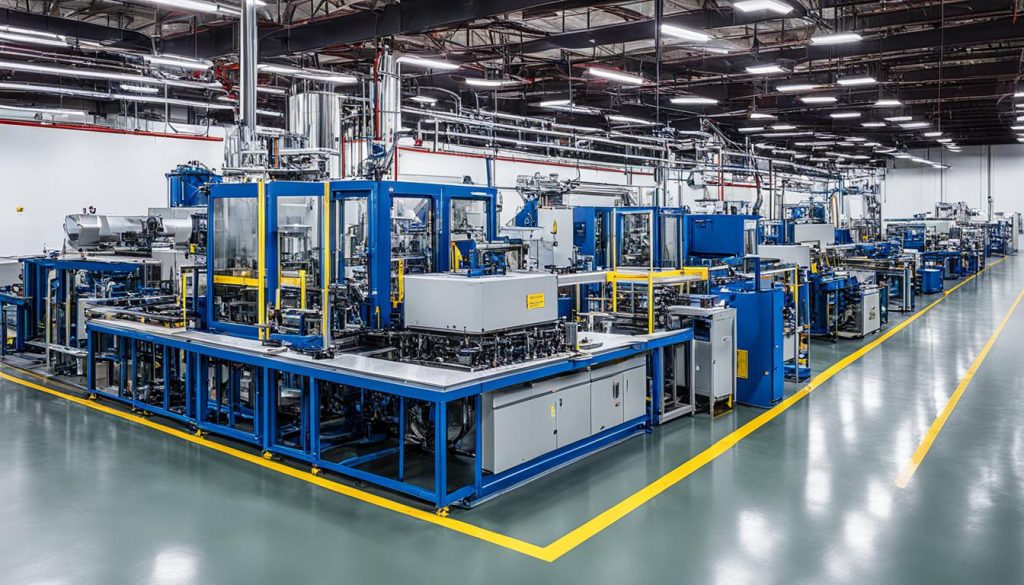
Exploring Manufacturing Industry Accreditations
In the intricate world of manufacturing, industry accreditations are not merely a formality; they are the bedrock of operational excellence and innovation. By delving into the realm of official recognitions, you gain insights into manufacturing best practices and access to a global network committed to quality and progress. As we explore the esteemed accreditations that frame the sector’s standards, you’ll understand their influence on manufacturing protocols and their instrumental role in shaping the future of industry.
Understanding NIST Standards in Manufacturing
When you encounter NIST standards in the context of manufacturing, you’re engaging with guidelines that are meticulously calibrated to optimize efficiency, safety, and technological integration. These standards are the result of meticulous research and innovation by the National Institute of Standards and Technology, ensuring that manufacturing best practices are not just theoretical models but lived realities within production facilities. They serve as a compass for companies aiming to navigate the complex terrain of technological advancements while maintaining compliance and functional superiority.
SAE International: Advancements in Automotive and Aerospace Sectors
Another pivotal accreditation body, SAE International, spearheads progress in the dynamic fields of automotive and aerospace engineering. With a focus on mobilizing manufacturing best practices, SAE International’s certifications are synonymous with quality and forward-thinking within these specialized sectors. The regulations and standards established here have a ripple effect, influencing not just direct stakeholders but also dictating global trends in design, safety, and sustainability. Your mastery of SAE International standards signifies a commitment to standing at the vanguard of industry innovation.
FAQ
What are manufacturing certifications and standards?
Manufacturing certifications and standards are benchmarks used within the manufacturing industry to ensure products meet specific quality, safety, and efficiency criteria. These certifications are often issued by recognized standardization bodies like the International Organization for Standardization (ISO) and the American Society of Mechanical Engineers (ASME). They represent adherence to manufacturing best practices and compliance with global standards.
Why are quality standards for manufacturing important?
Quality standards for manufacturing are critical because they ensure products are safe, reliable, and meet customer expectations. They also facilitate international trade by providing a common language for quality assessment, offer a framework for continuous improvement, and help manufacturers comply with legal and regulatory requirements.
What benefits do industry certifications in manufacturing offer?
Industry certifications in manufacturing offer a multitude of benefits including enhanced credibility, improved competitive positioning, reduced operational costs through efficiency improvements, and access to global markets. These certifications also evidence a company’s commitment to maintaining quality and can provide a competitive edge.
What is ISO certification, and why is it significant?
ISO certification refers to a company’s adherence to the standards set out by the International Organization for Standardization, which cover various aspects of quality management, environmental management, and other operational criteria. It is significant because it demonstrates a company’s commitment to consistent quality, customer satisfaction, and continuous improvement, and often is a requirement in global supply chain participation.
How does ASME certification contribute to manufacturing?
ASME certification specifically targets the mechanical engineering sector within manufacturing. It ensures that engineers follow best practices in designing and creating mechanical devices. This certification is recognized internationally and often required to meet government safety regulations and for procurement contracts.
Why is UL certification important for product manufacturing?
UL certification is crucial for product manufacturing because it involves a rigorous testing and evaluation process that ensures products are safe for public use. Getting a UL certification means a product meets stringent safety standards, which can enhance consumer confidence and trust in the product.
How do manufacturing standards impact daily production?
Manufacturing standards impact daily production by providing a blueprint for best practices throughout the manufacturing process. They help ensure consistency, increase efficiency, reduce waste, and can lead to the development of higher-quality products. Adhering to these standards is also often necessary for compliance with regulations and customer requirements.
What are NIST standards and how do they apply to manufacturing?
NIST standards, developed by the National Institute of Standards and Technology, provide guidelines and measures for best practices in manufacturing. They cover areas such as cybersecurity, advanced manufacturing technologies, and material measurement. These standards are applied to manufacturing to promote innovation, industrial competitiveness, and improve product quality.
What role does SAE International play in manufacturing certifications?
SAE International provides a suite of technical standards for various aspects of automotive and aerospace manufacturing. The organization works to advance mobility knowledge and solutions for the benefit of humanity. Their certifications and standards ensure cutting-edge advancements, safety, and reliability in these sectors, particularly in engineering and product development.