
Did you know that workplace accidents cost companies over $170 billion annually in the United States alone? Safety is not only essential for the well-being of your employees but also for the financial stability of your organization. That’s where safety audits and inspections come in. By conducting regular assessments and evaluations, you can identify potential hazards, improve safety practices, and ensure compliance with OSHA regulations.
From industrial safety evaluations to safety compliance audits, safety audits and inspections play a vital role in creating a secure work environment. In this article, we will explore the differences between safety audits and inspections, their importance in maintaining workplace safety, and how companies can benefit from implementing these practices. Let’s dive in!
Key Takeaways:
- Safety audits and inspections are crucial for maintaining workplace safety and complying with OSHA regulations.
- Safety inspections focus on identifying immediate hazards and non-compliance, while audits evaluate overall safety systems and programs.
- Regular audits and inspections help prevent accidents, improve safety practices, and contribute to continuous improvement.
- Partnering with a custom forms automation solution like FORM.com can streamline safety audit and inspection processes, ensuring accuracy and efficiency.
- Prioritizing workplace safety creates a positive safety culture that benefits employees and the organization as a whole.
What is a Safety Inspection?
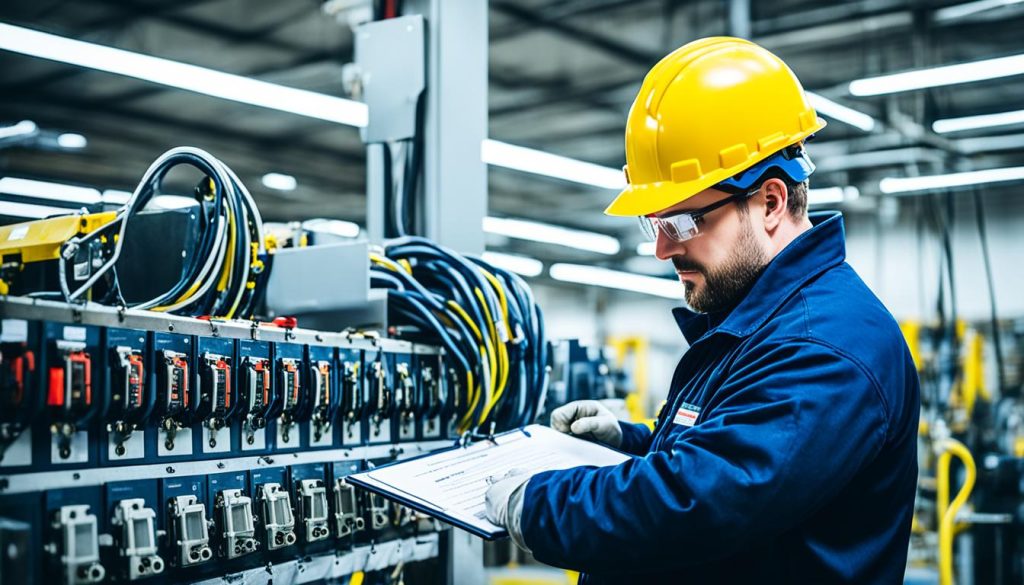
Safety inspections are thorough and systematic procedures that identify potential hazards and unsafe practices in the working environment. They examine all equipment involved in the job, including personal protective equipment (PPE), to ensure that safeguards effectively prevent accidents or injuries. Safety inspections also assess workplace behavior to determine if any practices are unsafe.
By conducting formal and frequent safety inspections, companies can ensure compliance with regulations, prevent injuries, and improve record-keeping for incident reporting and root cause analysis.
The Importance of Safety Inspections
“A safety inspection helps to identify and mitigate potential hazards in the workplace, ensuring a safer working environment.”
Safety inspections play a critical role in maintaining workplace safety. They help identify potential hazards and ensure that safety measures are in place to prevent accidents or injuries. By systematically evaluating the working environment, equipment, and behaviors, safety inspections contribute to the overall safety culture of an organization.
Key Aspects of Safety Inspections
During a safety inspection, a safety expert or designated person examines various aspects of the working environment to identify potential hazards. This includes evaluating potential dangers, verifying the correct use of personal protective equipment (PPE), and assessing workplace behavior. By thoroughly inspecting these areas, organizations can identify areas of improvement and take corrective actions to enhance safety.
Ensuring Compliance with Regulations and Standards
Compliance with safety regulations is a crucial aspect of safety inspections. By regularly conducting safety inspections, companies can maintain adherence to local and national regulations, as well as industry-specific standards. This ensures that the workplace meets the necessary safety requirements and reduces the risk of penalties or legal issues related to non-compliance.
Record-Keeping for Incident Reporting and Root Cause Analysis
Effective record-keeping is an essential component of safety inspections. By documenting inspection findings, companies can track safety-related incidents, identify trends, and perform root cause analysis. This enables organizations to implement corrective measures and continuously improve their safety practices.
What is a Safety Audit?
A safety audit is a comprehensive evaluation of a company’s safety processes, training programs, safety systems, and reporting processes. Unlike safety inspections, which focus on immediate hazards and noncompliance, safety audits take a more holistic approach to assess the overall effectiveness of the organization’s safety practices.
The objective of a safety audit is to ensure that the company’s safety program meets regulatory requirements and best practices. It also aims to verify that there is documented proof of compliance and that employee training produces the desired behavior. By conducting safety audits, companies can identify deficiencies in their safety systems and make recommendations for remediation.
Safety audits are typically performed less frequently than inspections and may be conducted by a third-party consultant. This external perspective allows for an unbiased assessment of the company’s safety practices. After conducting a fact-finding investigation, the audit results are reviewed, deficiencies are noted, and recommendations are made for improvement.
Once the audit is complete, it is the responsibility of individual managers and supervisors to implement corrective actions. It is crucial that the audit results are published and communicated to ensure that necessary corrections are understood and implemented throughout the organization.
Key Takeaways:
- A safety audit evaluates the effectiveness of a company’s safety processes, training programs, safety systems, and reporting processes.
- A safety audit aims to answer three fundamental questions: whether the program meets regulatory requirements and best practices, whether there is documented proof of compliance, and whether employee training produces the correct behavior.
- Safety audits are typically less frequent than inspections and may be handled by a third-party consultant.
- Audit results should be published to ensure that necessary corrections are understood and implemented throughout the organization.
| Key Aspects | Definition |
|---|---|
| Safety Processes | The documented procedures and protocols implemented to ensure workplace safety. |
| Training Programs | Educational initiatives to equip employees with the necessary knowledge and skills to work safely. |
| Safety Systems | The infrastructure and tools in place to monitor and manage safety-related activities and risks. |
| Reporting Processes | The mechanisms and procedures for reporting incidents, near-misses, and hazards. |
| Regulatory Requirements | The legal obligations imposed by government agencies to ensure workplace safety. |
| Employee Behavior | The actions and attitudes demonstrated by employees regarding safety practices and protocols. |
Safety Inspection and Audit Best Practices
When it comes to ensuring effective safety compliance, it is crucial to implement best practices for safety inspections and audits. By following these practices, you can maintain a safe working environment and mitigate potential risks. Here are some key recommendations:
Scheduling Regular Safety Audits
To maintain safety compliance, it is advisable to schedule safety audits throughout the year on a regular basis, rather than relying solely on a single annual audit. Conducting regular audits allows you to continuously evaluate and improve your safety systems, programs, and processes. This proactive approach helps identify and address potential issues before they escalate into major safety concerns.
Performing Thorough Safety Inspections
Safety inspections should be conducted by individuals who are familiar with the working environment, trained in safety best practices, and well-versed in safety regulations. These inspections should be formalized, documented, and conducted on a regular basis to ensure accountability and traceability. Thorough inspections help identify potential hazards, assess compliance, and ensure the effectiveness of safety measures in place.
Emphasizing Safety Records and Root Cause Analysis
Maintaining comprehensive safety records is essential for monitoring safety performance and providing relief from potential liability. These records capture incidents, inspection findings, and audit results, helping you identify trends, patterns, and areas for improvement. Root cause analysis, which is part of the safety audit process, allows you to dig deeper into incidents, understand the underlying causes, and implement corrective actions that address the root causes effectively.
Cultivating a Positive Safety Culture
Establishing and nurturing a positive safety culture is integral to achieving and maintaining safety compliance. Safety should be embraced as a constant mandate driven by management, communicated effectively to employees at all levels, and integrated into everyday operations. A strong safety culture promotes proactive safety practices, empowers employees to report hazards and incidents, and fosters continuous improvement.
Implementing these best practices for safety inspections and audits is vital for safeguarding your employees, maintaining compliance with safety regulations, and enhancing the overall safety of your workplace.
| Best Practices | Safety Audits | Safety Inspections |
|---|---|---|
| Schedule | Regular throughout the year | Frequent and ongoing |
| Focus | Programs, processes, compliance | Immediate hazards, noncompliance |
| Responsibility | Internal or external specialists | Familiar individuals in the workplace |
| Documentation | Formalized, documented reports | Formalized, documented reports |
| Goal | Evaluate effectiveness and compliance | Identify hazards and noncompliance |
| Methodology | Fact-finding, review process | Examination, observation |
Similarities Between Safety Inspections and Safety Audits
When it comes to workplace safety, both safety inspections and safety audits play important roles in creating a safer environment and ensuring compliance with regulations and standards. Although they have distinct focuses, they share common objectives that contribute to overall safety.
Use of Safety Checklists
One similarity between safety inspections and safety audits is the use of safety checklists. These checklists provide a structured framework for evaluating workplace safety and help ensure that all necessary aspects are thoroughly assessed. Safety checklists typically include relevant OSHA requirements and industry best practices, allowing inspectors and auditors to systematically review different areas of safety.
Focus on Workplace Safety
Both safety inspections and safety audits prioritize workplace safety as their primary goal. They aim to identify potential hazards, assess current safety measures, and recommend improvements to create a safer working environment. By conducting regular inspections and audits, companies demonstrate their commitment to maintaining high safety standards and protecting the well-being of their employees.
Compliance with OSHA Standards
Both safety inspections and safety audits ensure compliance with OSHA requirements. By evaluating adherence to OSHA regulations and industry standards, inspections and audits help organizations identify any areas of non-compliance and take corrective actions to address them. This commitment to regulatory compliance helps protect employees and minimizes the risk of penalties or legal issues.
Integration into Safety Plan
Both safety inspections and safety audits are integral components of an effective safety plan. While OSHA does not explicitly mandate these processes, the agency recognizes their importance in maintaining a safe workplace. Including regular inspections and audits in a company’s safety plan demonstrates a proactive approach to risk management and a commitment to continuous improvement.
| Safety Inspections | Safety Audits | |
|---|---|---|
| Focus | Examine physical environment, equipment, and processes to identify hazards and non-compliance. | Evaluate safety programs, strategies, compliance with regulations, and overall safety management system. |
| Frequency | Performed regularly, ideally by individuals familiar with the workplace. | Conducted less frequently, often by external or internal specialists. |
| Responsibility | Typically handled by individuals specifically trained in safety best practices and familiar with the working environment. | May involve third-party consultants or internal specialists with expertise in safety audits. |
| Role in Safety Management | Identify immediate hazards, correct non-compliance, and improve workplace safety. | Evaluate overall safety systems, programs, and compliance with regulations, and provide recommendations for improvements. |
Differences Between Safety Inspections and Safety Audits
Safety inspections and safety audits serve distinct purposes in ensuring workplace safety. While inspections focus on examining the physical environment, equipment, and processes to identify hazards and noncompliance with safety rules, audits assess safety programs, strategies, and compliance with regulations. Understanding the scope and responsible parties for each process is crucial for maintaining a safe working environment.
Safety inspections are typically performed by individuals who are familiar with the workplace and have a deep understanding of safety rules and regulations. They conduct thorough assessments of the physical environment, equipment, and operational procedures to identify potential dangers and ensure compliance with safety standards. Inspections help identify immediate hazards and noncompliant practices, allowing for timely corrections and preventive measures.
“Safety inspections focus on examining the physical environment, equipment, and processes to identify hazards and noncompliance with safety rules.”
Safety audits, on the other hand, evaluate the effectiveness of safety programs, strategies, and compliance with regulations. They are often conducted by external or internal specialists who have expertise in safety management and auditing processes. Audits take a more comprehensive approach, examining the overall safety management system and evaluating the implementation and effectiveness of safety programs, training, reporting processes, and regulatory compliance.
The primary goal of safety audits is to assess the organization’s adherence to safety standards and identify areas that require improvement. During audits, deficiencies are noted, evaluated, and recommendations for remediation are made. The responsible parties for implementing corrective actions are individual managers and supervisors, who are accountable for the safety of their respective departments or areas.
It is important to note that while safety inspections are a legal requirement in some industries, safety audits are not typically mandated by OSHA. However, conducting voluntary safety audits can demonstrate an organization’s commitment to safety and may influence OSHA’s decisions during inspections by highlighting a proactive approach towards maintaining a safe working environment.
In summary, safety inspections focus on immediate hazards and noncompliance with safety rules, and they are performed by individuals familiar with the workplace. Safety audits, on the other hand, evaluate safety programs, strategies, and compliance with regulations, and they are conducted by external or internal specialists. While safety inspections are more specific in scope, safety audits take a broader perspective by analyzing the overall safety management system. Both inspections and audits play integral roles in maintaining workplace safety, and their combination can lead to a robust safety culture within an organization.
Importance of Safety Audits and Inspections
Safety audits and inspections are crucial for maintaining workplace safety. They play a vital role in preventing hazards, ensuring compliance with regulations, and promoting continuous improvement. By identifying and addressing potential dangers, companies can create a safer working environment and enhance employee well-being. Safety audits and inspections also contribute to building a strong safety culture within the organization.
Preventing Hazards and Ensuring Compliance
Workplace safety audits and inspections help in identifying and preventing potential hazards that may pose risks to employees. These proactive measures enable organizations to take corrective actions promptly, minimizing the chances of accidents and injuries. Additionally, safety audits and inspections ensure compliance with regulations, standards, and best practices set by regulatory agencies such as OSHA (Occupational Safety and Health Administration).
Continuous Improvement and Employee Well-being
Safety audits and inspections serve as opportunities for organizations to evaluate and improve their safety programs and processes continually. By identifying areas for improvement, companies can implement necessary changes to enhance safety measures and mitigate risks. This commitment to continuous improvement fosters a culture of safety, where employees feel valued and protected, resulting in increased morale and overall well-being.
Building a Strong Safety Culture
A positive safety culture within an organization is crucial for promoting workplace safety. Safety audits and inspections play a significant role in reinforcing this culture by emphasizing the importance of safety at all levels. By prioritizing safety and consistently conducting audits and inspections, organizations send a clear message that safety is a core value and an integral part of the company’s operations.
| Benefits of Safety Audits and Inspections |
|---|
| Prevention of hazards and accidents |
| Compliance with regulations and standards |
| Continuous improvement of safety programs |
| Enhancement of employee well-being |
| Development of a strong safety culture |
How FORM can Help
FORM.com specializes in providing a custom forms automation solution that can greatly assist organizations in their safety audits and inspections. By leveraging FORM.com’s expertise and technology, you can enhance the efficiency and accuracy of your workplace safety processes, ensuring regulatory compliance and the well-being of your employees.
Streamline Safety Audits and Inspections
FORM.com’s custom forms automation solution is designed to make safety audits and inspections faster and easier to conduct. With intuitive form-building tools, you can create custom checklists, questionnaires, and reports tailored to your specific needs. This streamlines the entire audit and inspection process, enabling you to efficiently gather the necessary data and insights.
Enhance Workplace Safety
By utilizing FORM.com’s solution, you can significantly improve workplace safety. The customizable forms enable you to address industry-specific risks and ensure comprehensive compliance with regulatory requirements. This empowers you to proactively identify and mitigate potential hazards, fostering a safer work environment for your employees.
Ensure Regulatory Compliance
FORM.com’s solution helps you stay updated with regulatory standards and guidelines. By incorporating industry-specific best practices into your custom forms, you can ensure that your safety audits and inspections align with relevant regulations. This mitigates the risk of non-compliance and keeps your organization on the right track.
Improve Accuracy and Efficiency
The automation capabilities of FORM.com’s solution eliminate manual data entry and reduce the risk of human errors. Data captured during safety audits and inspections can be seamlessly integrated into comprehensive reports and analytics. This not only improves the accuracy of your data but also enhances the efficiency of your safety management processes.
Partnering with FORM.com enables you to benefit from their extensive experience in safety audits and inspections. Their intuitive technology and customizable forms empower organizations to maintain workplace safety, achieve regulatory compliance, and drive continuous improvement in overall safety performance.
Take advantage of FORM.com’s custom forms automation solution and elevate your safety audit and inspection processes today!
| Benefits of FORM.com’s Solution |
|---|
| Faster and easier safety audits and inspections |
| Enhanced workplace safety through custom checklists |
| Comprehensive regulatory compliance |
| Improved accuracy and efficiency in data collection |
Conclusion
Safety audits and inspections play a vital role in maintaining workplace safety, ensuring compliance, and fostering continuous improvement. By conducting regular audits and inspections, your organization can proactively identify and address safety issues, minimize hazards, and protect the well-being of your employees.
Inspections focus on immediate risks and noncompliance, helping you address potential hazards and unsafe practices promptly. On the other hand, audits provide a holistic evaluation of your safety systems and programs, allowing you to assess their effectiveness and make necessary improvements.
Prioritizing workplace safety through audits and inspections creates a positive safety culture within your organization. By continually refining your safety practices and complying with regulatory requirements, you demonstrate your commitment to the well-being of your employees and the success of your business. Remember, workplace safety is an ongoing journey towards continuous improvement.
FAQ
What is a Safety Inspection?
A safety inspection is a thorough and systematic procedure that identifies potential hazards and unsafe practices in the working environment. It examines equipment, including personal protective equipment (PPE), and assesses workplace behavior to ensure compliance with regulations and improve record-keeping for incident reporting and root cause analysis.
What is a Safety Audit?
A safety audit evaluates the effectiveness of a company’s safety processes, training programs, safety systems, and reporting processes. It aims to determine if the program meets regulatory requirements, if there is documented proof of compliance, and if employee training produces the correct behavior. Safety audits involve a fact-finding approach followed by a review process where deficiencies are noted and recommendations for remediation are made.
What are the best practices for Safety Inspections and Audits?
It is best to conduct safety audits throughout the year on a regular basis rather than relying on a single annual audit. Safety inspections should be performed by individuals who are familiar with the working environment, trained in safety best practices, and knowledgeable about safety regulations. Formalized and documented safety inspections are crucial for maintaining accountability and traceability. Safety records can provide relief from liability and help determine the root cause of incidents. Prioritizing safety as a constant mandate driven by management is key to maintaining a positive safety culture.
What are the similarities between Safety Inspections and Safety Audits?
Both safety inspections and safety audits aim to create a safer workplace, ensure compliance with regulations and standards, and may use safety checklists that include relevant OSHA standards and best practices. While OSHA does not require safety audits or inspections, the agency recognizes these processes as important components of an effective safety plan.
What are the differences between Safety Inspections and Safety Audits?
Safety inspections focus on examining the physical environment, equipment, and processes to identify hazards and noncompliance with safety rules. They are usually performed by individuals familiar with the workplace. Safety audits, on the other hand, evaluate safety programs, strategies, and compliance with regulations. They are often conducted by external or internal specialists and look at the overall safety management system. OSHA does not require safety audit reports before conducting inspections, but a voluntary audit can be seen as evidence of good faith and may influence OSHA’s decisions during an inspection.
Why are Safety Audits and Inspections important?
Safety audits and inspections are crucial for maintaining workplace safety. They help prevent hazards, ensure compliance with regulations, and contribute to continuous improvement. By identifying and addressing potential dangers, companies can create a safer working environment and promote employee well-being. Safety audits and inspections also play a significant role in fostering a positive safety culture within an organization.
How can FORM.com help with Safety Audits and Inspections?
FORM.com specializes in making safety audits and inspections faster, easier, and more accurate. Their custom forms automation solutions can be tailored to the specific needs of organizations, helping them maintain workplace safety and regulatory compliance. By partnering with FORM.com, companies can streamline their safety audit and inspection processes, ensuring that they meet the highest standards of accuracy and efficiency.
What is the importance of Safety Audits and Inspections?
Safety audits and inspections are critical components of a comprehensive workplace safety program. By conducting regular audits and inspections, companies can proactively identify and address safety issues, comply with regulations, and continuously improve their safety practices. Prioritizing workplace safety creates a positive safety culture that benefits both employees and the organization as a whole.