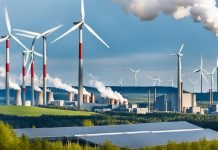
Did you know that the manufacturing industry is responsible for a significant environmental impact? From energy consumption to waste generation, manufacturing processes have a substantial carbon footprint. It is crucial for manufacturing companies to prioritize environmental compliance in order to mitigate their impact and ensure a sustainable future.
Key Takeaways:
- Manufacturing processes have a significant environmental impact.
- Environmental compliance is crucial for mitigating the impact of manufacturing on the environment.
- Sustainable practices in manufacturing are essential for long-term success and sustainability.
- Environmental compliance helps companies establish a positive reputation and meet market demands for environmentally friendly products.
- Compliance with environmental regulations helps manufacturing companies avoid legal penalties and fines.
Importance of Environmental Compliance in Manufacturing
Staying compliant with environmental regulations is crucial for manufacturing companies. By adhering to these regulations, companies can ensure that their operations are environmentally sustainable and minimize their impact on the environment. Compliance with environmental standards is not only a legal requirement but also a strategic decision that brings several benefits to businesses.
Firstly, environmental compliance helps companies establish a positive reputation and build trust with stakeholders. With increasing awareness and concern about environmental issues, customers, investors, and the general public are more inclined to support companies that prioritize sustainability. By demonstrating a commitment to environmental compliance, manufacturing companies can attract environmentally conscious consumers and gain a competitive edge in the market.
“Environmental compliance is not just about meeting legal obligations; it’s about being proactive in reducing our environmental footprint and being a responsible corporate citizen.” – Mark Johnson, CEO of EcoCorp Manufacturing
Secondly, compliance with environmental regulations enables manufacturing companies to meet the growing demand for sustainable and eco-friendly products. Consumers are actively seeking products that have minimal environmental impact and are produced using sustainable practices. By incorporating sustainable practices into their manufacturing processes, companies can tap into this market and capitalize on the increasing demand for environmentally friendly products.
In addition, environmental compliance helps manufacturing companies avoid legal penalties, fines, and other legal repercussions. Non-compliance with environmental regulations can lead to costly litigation, damage to reputation, and potential shutdown of operations. By staying compliant, companies can mitigate these risks and ensure uninterrupted business operations.
In summary, environmental compliance is critical for manufacturing companies to achieve sustainable and responsible growth. It not only helps businesses reduce their environmental impact but also enhances their reputation, meets market demand for sustainable products, and avoids legal consequences. By prioritizing environmental compliance, manufacturing companies can contribute to a greener future while ensuring their long-term success.
Steps to Ensure Compliance in the Manufacturing Sector
To ensure compliance in the manufacturing sector, companies must follow key steps that help them navigate the complexities of environmental regulations and meet the required standards. By taking a systematic approach, manufacturing businesses can minimize risks, promote sustainability, and maintain a positive relationship with regulatory bodies. The following steps outline an effective compliance strategy:
- Determine the applicable rules and regulations: Identify the relevant manufacturing environmental regulations and compliance standards that apply to your specific industry and location. This includes federal, state, and local regulations that govern environmental practices in manufacturing.
- Create and implement procedures and policies: Develop comprehensive procedures and policies that outline the necessary steps and actions to ensure compliance. These policies should cover areas such as waste management, emissions control, energy efficiency, and the handling of hazardous materials.
- Provide training and education: Conduct training programs to educate employees about the importance of environmental compliance and their responsibilities in adhering to regulations. This helps foster a culture of compliance within the organization.
- Observe and conduct environmental audits: Regularly monitor and evaluate compliance through environmental audits in manufacturing. These audits assess the company’s adherence to environmental regulations, identify areas of improvement, and help implement corrective measures to ensure compliance.
- Create a strategy for non-compliance: Develop a contingency plan to address instances of non-compliance. This includes establishing protocols for identifying, reporting, and rectifying non-compliance issues promptly.
By following these steps, manufacturing companies can establish a robust framework for maintaining environmental compliance. It is essential to document compliance efforts thoroughly and maintain records as evidence of adherence to environmental regulations. Let’s delve deeper into each step to understand its significance in ensuring compliance:
Determine the Applicable Rules and Regulations
Prioritize understanding the unique manufacturing environmental regulations and compliance standards that apply to your specific industry and location. Stay updated with the latest regulations to ensure ongoing compliance and avoid potential penalties and fines. Consider consulting environmental experts or legal professionals to gain a comprehensive understanding of the regulations.
Create and Implement Procedures and Policies
Developing and implementing procedures and policies is crucial for maintaining compliance in manufacturing. Determine the specific measures required to meet environmental compliance standards, such as waste management protocols, emissions control measures, and energy conservation initiatives. Regularly review and update these policies to reflect any changes in regulations or industry best practices.
Provide Training and Education
Ensure that all employees, from top-level management to manufacturing floor workers, receive training on environmental compliance standards. Invest in comprehensive training programs that highlight the importance of compliance, provide guidance on following procedures, and educate employees on their responsibilities in maintaining compliance.
Observe and Conduct Environmental Audits
Regularly monitor compliance efforts by conducting environmental audits in manufacturing. An audit assesses the effectiveness of procedures and policies, identifies potential compliance gaps, and suggests corrective actions. This proactive approach enables companies to address issues promptly and make necessary improvements to ensure ongoing compliance.
Create a Strategy for Non-Compliance
Despite companies’ best efforts, instances of non-compliance may occur. It is essential to have a robust strategy in place to address non-compliance promptly and minimize its impact. This strategy should include protocols for reporting and addressing non-compliance issues, rectifying violations, and implementing measures to prevent future occurrences.

Environmental Regulations for Air Quality in Manufacturing
Manufacturing facilities are subject to various environmental regulations that aim to ensure air quality standards and reduce air pollution. Compliance with these regulations is essential to minimize the environmental impact of manufacturing operations and protect public health. Key air quality regulations applicable to the manufacturing industry include:
Greenhouse Gas Reporting Program (GHGRP)
The GHGRP requires manufacturing facilities to report their greenhouse gas emissions to the Environmental Protection Agency (EPA). This program helps track and manage emissions of gases such as carbon dioxide, methane, and nitrous oxide, which contribute to climate change.
National Emission Standards for Hazardous Air Pollutants (NESHAP)
NESHAP sets emissions standards for specific hazardous air pollutants emitted from manufacturing processes. This regulation aims to reduce the release of toxic substances that can cause health issues and environmental harm.
New Source Performance Standards (NSPS)
The NSPS establishes emission limits and standards for new or modified manufacturing facilities. It ensures that new sources of air pollution meet specific performance requirements and adopt pollution control technologies to minimize emissions.
New Source Review (NSR) Permitting
The NSR permitting program regulates the construction and modification of manufacturing facilities that may affect air quality. Prior to these activities, companies must obtain permits and demonstrate their compliance with air quality standards.
Manufacturing companies must navigate these regulations to maintain compliance and protect air quality. Failure to comply with air quality regulations can lead to penalties, fines, and reputational damage. By implementing appropriate pollution control measures and monitoring emissions, manufacturers can mitigate their environmental impact and ensure compliance.
Below is a table summarizing the key air quality regulations in manufacturing:
| Regulation | Purpose |
|---|---|
| Greenhouse Gas Reporting Program (GHGRP) | Track and manage greenhouse gas emissions |
| National Emission Standards for Hazardous Air Pollutants (NESHAP) | Reduce emissions of hazardous air pollutants |
| New Source Performance Standards (NSPS) | Set emission limits for new or modified sources |
| New Source Review (NSR) Permitting | Regulate construction and modification activities |

Environmental Regulations for Water Management in Manufacturing
Manufacturing facilities must adhere to strict water management regulations to protect water quality and ensure environmental compliance. One of the key regulations in the United States is the National Pollutant Discharge Elimination System (NPDES) permitting, which regulates the discharge of pollutants into water sources.
To meet the requirements of NPDES permits, manufacturing facilities need to implement effective measures to prevent stormwater runoff and control industrial wastewater. These measures are crucial for minimizing the impact of manufacturing operations on water resources.
Implementing best practices for water management is not only essential for regulatory compliance but also for sustainable manufacturing practices. By reducing water usage, properly managing wastewater, and preventing water pollution, manufacturing companies can contribute to the conservation of this valuable resource.
Creating a robust water management plan helps companies identify potential sources of water pollution and implement strategies to mitigate them. This includes implementing filtration systems, utilizing green infrastructure, and effectively treating wastewater before it is discharged.
By prioritizing water management compliance and implementing sustainable practices, manufacturers can demonstrate their commitment to environmental stewardship and foster trust with customers, regulators, and the community.
| Regulation | Description |
|---|---|
| National Pollutant Discharge Elimination System (NPDES) permitting | Regulates the discharge of pollutants into water sources |
| Industrial Stormwater General Permit | Controls stormwater runoff from industrial facilities |
| Effluent Limitations Guidelines (ELGs) | Establishes standards for wastewater discharges from specific industries |
| Clean Water Act (CWA) | Sets the framework for regulating discharges of pollutants into water bodies |
Comprehensive compliance with water management regulations demonstrates a company’s dedication to sustainability and responsible manufacturing practices. By upholding these regulations, manufacturing facilities can protect water resources, minimize their environmental impact, and contribute to a greener future.
Reporting and Documentation Requirements for Environmental Compliance in Manufacturing
To ensure compliance with environmental regulations, manufacturing companies must adhere to reporting and documentation requirements. These processes involve tracking and documenting their environmental impact, enabling companies to demonstrate their commitment to sustainability and compliance.
Reporting environmental audits in manufacturing:
- Companies are required to report emissions of hazardous air pollutants resulting from their manufacturing processes. This includes monitoring and reporting on greenhouse gas emissions, which have a significant impact on climate change.
- When it comes to hazardous materials, manufacturing companies must track their use and disposal. This includes documenting how these materials are managed and ensuring compliance with regulations to prevent harmful environmental effects.
Submitting environmental reports for compliance:
- Manufacturing companies are obligated to submit comprehensive environmental reports to regulatory agencies. These reports help authorities assess a company’s compliance with environmental regulations and identify potential areas for improvement.
- Accurate and timely reporting is critical for meeting reporting requirements and avoiding penalties. Companies must ensure that the information provided in these reports is up-to-date, complete, and in line with regulatory standards.
By fulfilling these reporting and documentation requirements, manufacturing companies demonstrate their commitment to environmental compliance and sustainability initiatives. Accurate reporting helps them avoid penalties and create transparency in their operations, allowing stakeholders to assess their environmental impact and hold them accountable.
Reporting and documentation requirements play a vital role in ensuring manufacturing companies adhere to environmental compliance standards. By tracking and reporting their environmental impact and submitting comprehensive reports, these companies contribute to a more sustainable manufacturing industry.
State-Level Environmental Regulations for Manufacturing
While federal environmental regulations set minimum standards, each state has the authority to establish its own regulations that may be supplementary or even stricter. It is the responsibility of state governments to enforce environmental regulations within their jurisdiction. As a manufacturing company, it is crucial to be aware of and comply with both federal and state-level regulations to ensure full compliance.
Benefits of Environmental Compliance in Manufacturing
Environmental compliance in manufacturing brings several benefits to companies in this industry. By prioritizing and achieving compliance with environmental regulations, manufacturing businesses not only reduce their environmental impact but also position themselves as responsible and sustainable organizations. Here are some key benefits of environmental compliance in manufacturing:
- Reputation Enhancement: Compliance with environmental regulations improves a company’s reputation and public perception. Consumers are becoming increasingly environmentally conscious and are actively seeking out products and services from companies that demonstrate a commitment to sustainability. By complying with environmental regulations, manufacturing companies gain a competitive advantage and attract environmentally conscious consumers who prioritize eco-friendly choices in their purchasing decisions.
- Risk Mitigation: Environmental compliance reduces the risk of legal penalties and fines. Non-compliance with environmental regulations can result in significant financial consequences, including fines and legal actions. By ensuring compliance, manufacturing companies protect themselves from potential liabilities and maintain a stable and secure operating environment.
- Innovation and Sustainable Practices: Compliance encourages innovation and the adoption of sustainable practices in manufacturing. To meet environmental regulations, manufacturing companies often have to explore and implement new technologies and processes that are more sustainable and environmentally friendly. This drive for compliance fosters innovation and motivates organizations to find innovative solutions to reduce their environmental impact while maintaining their production efficiency.
- Meeting Customer Demand: Compliance with environmental regulations helps manufacturing companies meet customer demand for environmentally friendly products. As consumers become more environmentally conscious, they are actively seeking out products that are produced sustainably and have minimal environmental impact. Complying with environmental regulations allows manufacturing companies to meet this demand and offer products that align with their customers’ values.
“Environmental compliance in manufacturing not only ensures responsible business practices but also contributes to the overall sustainability of the manufacturing industry.”
Overall, environmental compliance in manufacturing brings tangible benefits to businesses, ranging from improved reputation and customer loyalty to risk mitigation and fostering innovation. By embracing sustainable practices and complying with environmental regulations, manufacturing companies play a vital role in creating a greener and more sustainable future for the industry as a whole.
Using Compliance Software Automation for Manufacturing Environmental Compliance
Many manufacturing companies today are turning to compliance software automation to streamline their environmental compliance efforts. This technology provides a centralized platform that allows businesses to track and manage their compliance activities efficiently. By utilizing compliance software automation, companies can stay up to date with the latest manufacturing environmental regulations, mitigate non-compliance risks, and ensure a sustainable manufacturing process.
“Compliance software automation provides a centralized platform for tracking and managing compliance activities.”
With compliance software automation, manufacturing companies can benefit in several ways:
- Time-saving: Compliance software automation eliminates the need for manual tracking and reporting of compliance activities. It automates routine tasks, such as data collection, reporting, and documentation, allowing employees to focus on more strategic initiatives.
- Error reduction: By automating compliance processes, the risk of human error is significantly reduced. Compliance software automation ensures accurate and consistent data collection, reducing the likelihood of compliance breaches.
- Proactive approach: Compliance software automation provides real-time updates on regulatory changes and requirements. Companies can stay ahead of compliance obligations by receiving alerts and notifications, enabling them to adapt their processes swiftly.
Furthermore, compliance software automation offers features such as:
- Centralized data management
- Automated reporting and documentation
- Integration with other systems
- Comprehensive compliance tracking
By leveraging compliance software automation, manufacturing companies can ensure green manufacturing compliance, promote sustainability, and safeguard the environment.
Case Study: XYZ Manufacturing
To illustrate the benefits of compliance software automation, consider the case of XYZ Manufacturing. This leading manufacturing company sought to enhance its environmental compliance efforts through automation.
“Implementing compliance software automation has transformed our environmental compliance processes. It has helped us streamline our reporting and documentation, providing real-time visibility of our compliance status. With automated alerts, we can proactively address any non-compliance issues, ensuring we meet all manufacturing environmental regulations. This technology has been instrumental in supporting our green manufacturing initiatives and demonstrating our commitment to sustainability.”
– John Smith, Environmental Compliance Manager at XYZ Manufacturing
Conclusion
Environmental compliance is fundamental for the manufacturing industry to ensure long-term sustainability, minimize environmental impact, and meet regulatory obligations. By diligently following the necessary steps, gaining a thorough understanding of relevant regulations, and leveraging compliance software automation, manufacturing companies can achieve success while actively contributing to a more sustainable future.
Manufacturing compliance involves adhering to environmental protection, health and safety, product quality, and performance standards. Failure to comply can result in reputational damage, legal penalties, and financial repercussions. Therefore, it is crucial for manufacturing businesses to prioritize environmental compliance in their operations.
Complying with environmental regulations enables manufacturing companies to establish a positive reputation, meet the increasing market demand for environmentally friendly products, and facilitate innovation in sustainable practices. Additionally, compliance helps businesses avoid legal penalties, fines, and potential disruptions to their operations.
As the manufacturing industry embraces sustainability initiatives, environmental compliance plays a pivotal role in reducing the sector’s overall environmental impact. By employing compliance software automation, companies can streamline their compliance efforts, stay up to date with regulations, and mitigate non-compliance risks more effectively. This automation allows manufacturing companies to save time, reduce errors, and maintain a proactive approach to environmental compliance.
FAQ
What is manufacturing compliance?
Manufacturing compliance refers to the adherence to regulations and laws that apply to the manufacturing sector, encompassing environmental protection, health and safety, product quality, and performance.
Why is environmental compliance important in manufacturing?
Staying compliant with environmental regulations is crucial for manufacturing companies as it ensures sustainable operations, reduces environmental impact, establishes a positive reputation, meets market demands, and avoids legal penalties and fines.
What steps should manufacturing companies take to ensure compliance?
Key steps to ensuring compliance in the manufacturing sector include determining the applicable rules and regulations, creating and implementing procedures and policies, providing training and education, observing and auditing compliance, and creating a strategy for non-compliance.
What are the environmental regulations regarding air quality in manufacturing?
Manufacturing facilities are subject to air quality regulations such as the Greenhouse Gas Reporting Program (GHGRP), National Emission Standards for Hazardous Air Pollutants (NESHAP), New Source Performance Standards (NSPS), and New Source Review (NSR) permitting.
What are the environmental regulations regarding water management in manufacturing?
Manufacturing facilities must comply with water management regulations, such as the National Pollutant Discharge Elimination System (NPDES) permitting, to control the discharge of pollutants into water sources and protect water quality.
What are the reporting and documentation requirements for environmental compliance in manufacturing?
Manufacturing companies are required to report and document their environmental impact, including emissions of hazardous air pollutants, use and disposal of hazardous materials, and submit environmental reports to regulatory agencies.
Are there state-level environmental regulations that manufacturing companies need to comply with?
Yes, each state has its own regulations that may supplement or be stricter than federal standards. Manufacturing companies need to be aware of and comply with both federal and state-level regulations to ensure full compliance.
What are the benefits of environmental compliance in manufacturing?
Environmental compliance in manufacturing improves a company’s reputation, attracts environmentally conscious consumers, reduces the risk of penalties and fines, encourages innovation and sustainable practices, and helps meet customer demand for eco-friendly products.
How can manufacturing companies streamline their compliance efforts?
Many manufacturing companies choose to use compliance software automation to centralize and manage compliance activities, ensuring they stay updated on regulations, save time, reduce errors, and maintain a proactive approach to environmental compliance.