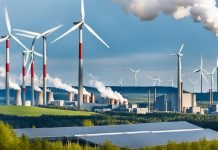
Did you know that traditional manufacturing processes account for a staggering 20% of the world’s total energy consumption? That’s right! The environmental impact of inefficient factory operations is undeniable, but there is a solution that can revolutionize the industry.
Introducing energy-efficient manufacturing technologies, the sustainable manufacturing processes that are transforming the way products are made. These green manufacturing solutions, including eco-friendly production methods, energy-saving industrial technology, and environmentally conscious manufacturing practices, are paving the way for a greener and more efficient future.
Key Takeaways:
- Energy-efficient manufacturing technologies can significantly reduce the environmental impact of manufacturing processes.
- These technologies encompass a wide range of innovations, including high-temperature processing, advanced laser-based sensors, and energy-efficient melting.
- By embracing sustainable manufacturing practices, companies can gain a competitive edge while contributing to a greener future.
- Integrated energy management software, such as the SIMATIC Energy Suite from Siemens, enables companies to track and analyze energy consumption data for improved efficiency and cost reduction.
- Embracing energy-efficient manufacturing technologies is not only environmentally responsible but also economically beneficial in the long run.
Ready to delve deeper into the world of energy-efficient manufacturing technologies? Join us as we explore the various cutting-edge solutions that are reshaping the manufacturing landscape and paving the way for a more sustainable future.
High-Temperature Processing
Looking for ways to optimize your production processes and improve energy efficiency? Consider high-temperature processing alternatives that can revolutionize your manufacturing practices. While conventional high-temperature techniques have their benefits, non-thermal or lower-energy alternatives offer a range of advantages, including more efficient production and the recovery of critical materials.
Water-Based Selective Extraction
One innovative approach is water-based, selective extraction of critical materials from low-grade ores. This environmentally friendly method minimizes energy consumption while maximizing the recovery of valuable resources. By harnessing the power of low-temperature processes, you can achieve both efficiency and sustainability.
Recovering High-Value Materials from Waste
Another opportunity for efficient production lies in the recovery of high-value materials from waste. High-temperature processing techniques often result in the generation of by-products or waste materials. However, through innovative and energy-efficient approaches, you can extract hidden value from these waste streams, reducing waste and optimizing resource utilization.
“Non-thermal or lower-energy alternatives to conventional, high-temperature processing technologies can enable more efficient production or recovery of critical materials.”
Low-Temperature, High-Efficiency Chemical Processes
Efficient chemical processes, operating at low temperatures, can propel your manufacturing operations forward. By minimizing energy requirements, these processes offer not only energy savings but also superior product quality. Explore the realm of low-temperature chemistry and unlock the potential for high-efficiency production.
Integrating high-temperature processing alternatives into your operations can yield significant benefits, including energy-efficient production, improved resource utilization, and the extraction of valuable materials. By embracing these innovative techniques, you can enhance both your bottom line and your environmental footprint.
Advanced Laser-Based Sensors for Industrial Process Control
When it comes to energy-efficient manufacturing and improved process accuracy, advanced laser-based sensors are revolutionizing industrial process control. These cutting-edge sensors offer a host of benefits, from reducing waste to optimizing energy consumption, making them a game-changer in the world of manufacturing.
By incorporating advanced laser-based sensors into industrial processes, companies can achieve greater precision and accuracy in their operations. These sensors provide real-time data, allowing for immediate adjustments and corrective actions, resulting in improved product quality.
One of the key advantages of advanced laser-based sensors is their ability to minimize waste and optimize energy consumption. By ensuring precise measurements and monitoring, these sensors enable manufacturers to identify inefficiencies and areas for improvement. This not only reduces material waste but also enhances overall energy efficiency, contributing to a more sustainable manufacturing process.
Additionally, by implementing advanced laser-based sensors for industrial process control, companies can enhance their production line’s reliability and performance. These sensors enable continuous monitoring, ensuring that any deviations or anomalies are promptly detected and addressed, minimizing downtime and production delays.
“Advanced laser-based sensors are a game-changer in industrial process control. They offer improved accuracy, waste reduction, and optimized energy consumption, resulting in highly efficient manufacturing processes.” – Expert in Industrial Automation
Applications of Advanced Laser-Based Sensors
The applications of advanced laser-based sensors in industrial process control are vast and varied. Some of the key areas where these sensors are making a significant impact include:
- Monitoring and controlling temperature and pressure levels in manufacturing processes.
- Precision measurement and alignment of components during assembly.
- Quality control and inspection of finished products.
- Real-time monitoring of fluid flow rates and levels.
- Monitoring and optimizing energy usage in manufacturing plants.
These applications demonstrate the versatility and effectiveness of advanced laser-based sensors in driving energy-efficient manufacturing and improved process accuracy.
The Future of Industrial Process Control
As technology continues to advance, the capabilities of advanced laser-based sensors for industrial process control will only expand. Innovations in this field hold the potential to transform the manufacturing industry, enabling further improvements in energy efficiency, waste reduction, and overall process optimization.
By embracing advanced laser-based sensors and incorporating them into their operations, companies can stay at the forefront of industrial process control, gaining a competitive edge in the market while contributing to a more sustainable and efficient manufacturing sector.
| Benefits of Advanced Laser-Based Sensors | Applications |
|---|---|
| Improved process accuracy | Monitoring and controlling temperature and pressure levels |
| Reduced waste | Precision measurement and alignment of components |
| Optimized energy consumption | Quality control and inspection of finished products |
| Enhanced reliability and performance | Real-time monitoring of fluid flow rates and levels |
| Monitoring and optimizing energy usage |
Energy Efficient Melting and Direct Delivery of High Quality Molten Aluminum
When it comes to melting aluminum for production, energy efficiency is key. Traditional melting methods often result in excessive energy consumption and waste. However, with the advent of energy-efficient melting and direct delivery technologies, manufacturers can significantly improve their processes while reducing costs and environmental impact.
Energy-efficient melting technologies employ advanced techniques that optimize the melting process, ensuring maximum energy savings. These technologies utilize innovative insulation materials, intelligent temperature control systems, and efficient heating methods to achieve high melting rates with reduced energy consumption.
One example of energy-saving technology in aluminum melting is the use of electromagnetic induction. This method generates heat directly within the metal, eliminating the need for external heating elements and minimizing heat loss. As a result, the melting process becomes more efficient, leading to energy and cost savings.
“Energy-efficient melting technologies employ advanced techniques that optimize the melting process, ensuring maximum energy savings.”
In addition to energy-efficient melting, direct delivery systems play a crucial role in maintaining the quality of molten aluminum. Traditional methods often involve transporting molten aluminum using ladles or crucibles, which can lead to quality degradation and energy loss. Direct delivery systems, on the other hand, ensure a smooth and continuous flow of molten aluminum directly to the production line.
This seamless delivery process not only improves the efficiency of aluminum production but also eliminates the need for intermediate storage, reducing the risk of contamination and operational downtime. The direct delivery of high-quality molten aluminum enhances the overall product quality, meeting stringent industry standards and customer expectations.
Benefits of Energy Efficient Melting and Direct Delivery:
- Significant energy savings
- Improved operational efficiency
- Reduced waste and environmental impact
- Enhanced product quality
- Streamlined production processes
By implementing energy-efficient melting and direct delivery technologies, manufacturers can achieve higher productivity, lower energy costs, and a reduced carbon footprint. These innovations not only contribute to sustainable manufacturing practices but also provide companies with a competitive edge in the market.
| Benefits | Energy Efficient Melting | Direct Delivery |
|---|---|---|
| Energy Savings | ✔️ | ✔️ |
| Operational Efficiency | ✔️ | ✔️ |
| Waste Reduction | ✔️ | ✔️ |
| Product Quality | ✔️ | ✔️ |
Investing in energy-efficient melting and direct delivery technologies is not only a smart business decision but also a commitment to sustainable manufacturing and a greener future. By leveraging these energy-saving innovations, manufacturers can optimize their production processes, contribute to environmental conservation, and meet the demands of environmentally conscious consumers.
Fuel-Flexible Combustion System for Refinery and Chemical Plant Process Heaters
When it comes to operating refinery and chemical plant process heaters, energy flexibility is key. That’s where fuel-flexible combustion systems come into play. These innovative systems offer a range of benefits, from optimizing energy consumption to reducing emissions.
Switching Between Fuels with Ease
One of the standout features of a fuel-flexible combustion system is its ability to utilize a variety of fuels. Whether it’s natural gas, oil, or even alternative fuels, these systems adapt seamlessly, ensuring uninterrupted operation. By taking advantage of the different fuel options available, refinery and chemical plant operators can optimize energy usage based on availability, cost, and environmental considerations.
Optimizing Energy Consumption
By leveraging the fuel flexibility provided by these combustion systems, refinery and chemical plant operators can optimize their energy consumption. This means they can choose the most efficient fuel source depending on factors such as energy density and cost, resulting in significant energy savings. With energy costs being a significant expense for these industries, fuel-flexible combustion systems offer an attractive solution for reducing operational costs.
Reducing Emissions
In addition to energy savings, fuel-flexible combustion systems also contribute to reducing emissions. By selecting the most suitable fuel for the current operating conditions, these systems minimize the release of pollutants into the atmosphere. As environmental regulations continue to tighten, refinery and chemical plant operators can benefit from investing in these systems to ensure compliance and promote sustainable operations.
When it comes to managing refinery and chemical plant process heaters, energy flexibility is a game-changer. Fuel-flexible combustion systems offer operators the freedom to choose from a range of fuels, optimize energy consumption, and reduce emissions. This not only improves operational efficiency but also aligns with sustainable and environmentally conscious manufacturing practices.

| Benefits of Fuel-Flexible Combustion Systems |
|---|
| Utilization of a variety of fuels |
| Optimized energy consumption |
| Reduced emissions |
Sustainable Manufacturing
In today’s world, sustainability has become more important than ever. We all strive to reduce our impact on the environment and make more eco-friendly choices. When it comes to manufacturing, adopting sustainable practices is essential for the long-term well-being of our planet. Sustainable manufacturing focuses on reducing energy and material usage through efficient production processes. By implementing these practices, companies can significantly contribute to energy reduction, optimize material usage, promote recycling, and achieve eco-friendly production.
One of the key aspects of sustainable manufacturing is utilizing eco-friendly materials. Companies can make a significant difference by selecting materials that have a lower carbon footprint, are renewable or recycled, and are less harmful to the environment. By using such materials, manufacturers can reduce their ecological impact and promote a more circular economy.
In addition to material usage, sustainable manufacturing also involves the reduction of process steps. Streamlining production processes not only saves time and resources but also minimizes waste generation. This reduction in waste leads to both cost savings and environmental benefits. By optimizing manufacturing processes, companies can achieve higher efficiency while reducing their overall environmental footprint.
Another crucial element of sustainable manufacturing is the emphasis on recycling and recyclability. Companies are increasingly adopting practices that enable the recycling of their products or integrating recycled materials into new products. This approach not only reduces waste but also conserves resources, making manufacturing more sustainable in the long run.
“Sustainable manufacturing focuses on reducing energy and material usage through efficient production processes.”
By embracing sustainable manufacturing practices, companies can pave the way for a greener future. Not only does it benefit the environment, but it also enhances the company’s reputation, attracts environmentally conscious customers, and boosts overall competitiveness. Going green isn’t just a trend; it’s a vital aspect of modern manufacturing that we all should embrace.
Electrohydraulic Forming of Near-Net Shape Automotive Panels
When it comes to manufacturing automotive panels, efficiency is key. That’s where electrohydraulic forming technology comes into play. By harnessing the power of electricity and hydraulics, this innovative process allows for the energy-efficient production of near-net shape automotive panels.
Unlike traditional forming methods that often result in significant material waste and high energy consumption, electrohydraulic forming offers a more sustainable and cost-effective solution. With near-net shape forming, the panels are manufactured as close to their final shape as possible, minimizing the need for excessive material removal or excessive energy consumption in subsequent machining processes. This not only reduces waste but also optimizes production time and overall costs.
But how does it work? Electrohydraulic forming involves using a high-voltage electrical discharge to rapidly form metal sheets into complex shapes. This controlled discharge generates extreme pressures that enable precise shaping of the panels, eliminating the need for additional molds or dies. As a result, manufacturers can achieve near-net shape parts with minimal material waste and high dimensional accuracy.
Take a look at this illustration to get a better understanding:

Comparison of Traditional Forming Methods vs. Electrohydraulic Forming
| Traditional Forming Methods | Electrohydraulic Forming |
|---|---|
| Higher material waste | Reduced material waste |
| Longer production time | Shorter production time |
| Higher energy consumption | Lower energy consumption |
| Additional machining processes needed | Minimal machining processes required |
As you can see, electrohydraulic forming offers several advantages over traditional forming methods, including reduced material waste, shorter production time, lower energy consumption, and fewer machining processes.
Electrohydraulic forming is revolutionizing the production of automotive panels, delivering near-net shape parts with precision, efficiency, and sustainability.
Manufacturers in the automotive industry are increasingly embracing this energy-efficient forming technology to meet the growing demand for environmentally conscious manufacturing practices. By adopting electrohydraulic forming, they can streamline their production processes, reduce waste, lower their environmental footprint, and gain a competitive edge in the market.
Integrated Energy Management Software
Managing energy consumption efficiently is crucial for businesses seeking to reduce costs and improve their environmental footprint. With the integration of advanced energy management software like the SIMATIC Energy Suite from Siemens, companies can effectively track and analyze energy consumption data, leading to enhanced energy efficiency and significant cost reduction.
Utilizing this cutting-edge software, you gain comprehensive insights into your energy usage patterns, allowing you to identify areas of high consumption and implement targeted improvements. The SIMATIC Energy Suite’s user-friendly interface empowers you to monitor and optimize energy consumption in real-time, ensuring your operations are always at their most efficient.
Optimizing energy efficiency not only results in cost reduction but also helps safeguard the environment by minimizing greenhouse gas emissions. By harnessing the power of integrated energy management software, businesses can contribute to global sustainability efforts while simultaneously giving themselves a competitive edge in the market.
Benefits of Integrated Energy Management Software
- Accurate Monitoring: Track and analyze energy consumption data in real-time to identify inefficiencies and implement targeted improvements.
- Cost Reduction: Achieve significant cost savings by optimizing energy consumption throughout your operations.
- Environmental Sustainability: Minimize your environmental impact by reducing energy waste and carbon emissions.
- Compliance and Reporting: Generate comprehensive reports and meet regulatory requirements with ease.
| Features | Functionality |
|---|---|
| Real-time Data Monitoring | Monitor energy consumption data in real-time to identify deviations and implement corrective measures. |
| Energy Analytics | Analyze energy usage patterns to optimize consumption and reduce waste. |
| Energy Performance Indicators (EnPIs) | Track key performance indicators to assess the effectiveness of energy management strategies. |
| Alerts and Notifications | Receive notifications and alerts on consumption anomalies, enabling proactive action. |
| Data Visualization | Visualize energy consumption data in intuitive and easy-to-understand graphical formats. |
Conclusion
Energy-efficient manufacturing technologies are the key to sustaining operations while minimizing the environmental impact of manufacturing processes. By implementing these technologies, companies can gain a competitive edge and contribute to a greener future.
By embracing energy-efficient manufacturing technologies, companies can significantly reduce their carbon footprint and energy consumption. This not only helps them meet sustainability goals but also positions them as responsible corporate citizens.
Moreover, energy-efficient manufacturing technologies offer cost-saving benefits by optimizing resource utilization and reducing waste. Companies that invest in these technologies not only contribute to a greener world but also enjoy long-term financial benefits.
FAQ
What are energy-efficient manufacturing technologies?
Energy-efficient manufacturing technologies refer to a wide range of techniques and processes that aim to reduce energy consumption and enhance efficiency in industrial operations. These technologies include high-temperature processing, advanced laser-based sensors, energy-efficient melting, fuel-flexible combustion systems, improved heat recovery, and low-emissions burner technology.
How can high-temperature processing contribute to energy-efficient production?
High-temperature processing involves the use of advanced techniques that optimize energy consumption and reduce waste in industrial manufacturing. By operating at elevated temperatures, these processes can enhance the efficiency and quality of production, leading to significant energy and carbon savings.
What are the benefits of advanced laser-based sensors for industrial process control?
Advanced laser-based sensors offer enhanced industrial process control, which leads to energy-efficient manufacturing. These sensors enable improved process accuracy, reducing waste and optimizing energy consumption. With precise and real-time measurement capabilities, manufacturers can make adjustments to their production processes, resulting in energy savings and improved product quality.
How does energy-efficient melting and direct delivery technology contribute to the production of high-quality molten aluminum?
Energy-efficient melting and direct delivery technologies improve the efficiency of melting processes and ensure the delivery of high-quality molten aluminum. These technologies use innovative methods to minimize heat loss, optimize energy consumption, and reduce waste in the production of aluminum products. By implementing these technologies, manufacturers can achieve energy savings and improve their overall operational sustainability.
What is the purpose of a fuel-flexible combustion system for refinery and chemical plant process heaters?
A fuel-flexible combustion system provides energy flexibility for refinery and chemical plant process heaters. These systems are designed to optimize energy consumption and reduce emissions by allowing the use of a variety of fuels. By employing fuel-flexible combustion systems, manufacturers can reduce their reliance on single fuel sources, increase energy efficiency, and lower their environmental impact.
How does sustainable manufacturing contribute to energy reduction and environmental protection?
Sustainable manufacturing focuses on reducing energy and material usage through efficient production processes. It includes the use of eco-friendly materials, reduction of process steps, and enabling recycling and recyclability of products. By implementing sustainable manufacturing practices, companies can reduce their energy consumption, limit their carbon footprint, and contribute to a greener future.
What is electrohydraulic forming, and how does it enable energy-efficient production of automotive panels?
Electrohydraulic forming technology enables the energy-efficient production of near-net shape automotive panels. This process uses electrical energy to generate high-pressure hydraulic pulses, which facilitate the shaping of metal sheets into desired forms. Compared to traditional forming methods, electrohydraulic forming reduces material waste and energy consumption, making it a more sustainable and cost-effective solution for automotive manufacturing.
How can integrated energy management software help improve energy efficiency and reduce costs?
Integrated energy management software, such as the SIMATIC Energy Suite from Siemens, allows companies to track and analyze energy consumption data. By monitoring and optimizing energy usage across various processes and equipment, manufacturers can identify inefficiencies and take proactive steps to improve energy efficiency. Implementing an energy management software solution can result in significant cost savings and help companies achieve their sustainability goals.
What is the significance of energy-efficient manufacturing technologies in achieving sustainable operations?
Energy-efficient manufacturing technologies play a crucial role in achieving sustainable operations and reducing the environmental impact of manufacturing processes. By adopting energy-saving industrial technology and implementing environmentally conscious manufacturing practices, companies can reduce energy consumption, lower carbon emissions, and optimize resource utilization. Embracing these technologies not only contributes to a greener future but also provides companies with a competitive edge in the market.