Did you know that the manufacturing industry is facing a critical shortage of skilled workers? According to recent studies, the manufacturing workforce is rapidly aging, with 2.4 million workers set to retire in the next decade, leaving a significant gap in the industry.
This shortage poses a pressing challenge to manufacturers who need to attract and retain young professionals to ensure the industry’s future success. Recruiting millennials and Gen Z to pursue careers in manufacturing requires innovative strategies that not only appeal to their interests and aspirations but also bridge the skills gap.
Key Takeaways:
- Manufacturing is facing a shortage of skilled workers, with 2.4 million retirees expected in the next decade.
- Attracting and retaining young talent is crucial for the future success of the manufacturing industry.
- Recruiting millennials and Gen Z requires innovative strategies and bridging the skills gap.
- The manufacturing industry must appeal to the interests and aspirations of young professionals.
- Bridging the skills gap requires collaboration between manufacturers, educational institutions, and the skills system.
Partnership with Education Programs
Academic advisors and schools play a crucial role in guiding students towards rewarding careers in manufacturing. Programs like Project Lead the Way (PLTW) are designed to prepare students for STEM careers from an early age and have established strong partnerships with manufacturing companies. These partnerships involve various collaborative initiatives, such as:
- Mentorship programs
- Lending of technology equipment
- Offering apprentice and internship programs
Through these collaborations, manufacturers not only contribute to the community but also create a pipeline of skilled workers for the future. By actively participating in education programs like PLTW, manufacturers can inspire and engage young talent, fostering a passion for manufacturing and cultivating the skills needed for success in the industry.
Engaging Future Talent: Project Lead the Way (PLTW)
Project Lead the Way (PLTW) is a nationally recognized program that empowers students and educators to develop skills in science, technology, engineering, and math (STEM) fields. It offers a comprehensive curriculum that includes hands-on learning experiences, real-world applications, and industry partnerships.
“By collaborating with education programs like PLTW, manufacturers have a unique opportunity to shape the future workforce by inspiring and equipping students with the knowledge and skills needed to thrive in the industry.”
By partnering with PLTW, manufacturing companies demonstrate their commitment to nurturing the next generation of talent and bridging the skills gap. These collaborations create a win-win situation, where students gain valuable exposure to the manufacturing industry, and manufacturers have access to a pool of motivated and skilled young professionals.
Benefits of Partnership with Education Programs
| Benefits | Description |
|---|---|
| 1. Mentorship programs | Experienced professionals mentor students, providing guidance and industry insights. |
| 2. Lending of technology equipment | Manufacturers provide access to advanced technology tools, allowing students to gain hands-on experience. |
| 3. Apprentice and internship programs | Students have the opportunity to work and learn in a manufacturing environment, acquiring practical skills and industry knowledge. |
These partnerships not only support the development and training of future talent but also foster a collaborative ecosystem between academic institutions and manufacturers. By working together, education programs and manufacturing companies can drive innovation, promote workforce readiness, and meet the evolving demands of the industry.
Succession Planning and Mentorship
To address the talent gap in the manufacturing industry, it’s important for manufacturers to implement effective succession planning and mentorship programs. These initiatives can help bridge the skills gap and ensure a smooth transition as older employees retire, while also fostering employee engagement and development.
Succession planning involves identifying and preparing employees for key positions within the company. By encouraging experienced employees to mentor and train younger talent, manufacturers can ensure that niche positions are adequately filled. This not only helps maintain the expertise and knowledge within the organization but also provides young professionals with valuable guidance and support.
Pairing new talent with mentors gives them the opportunity to learn from experienced individuals who can share their industry knowledge, skills, and best practices. This mentorship dynamic creates a supportive environment where young employees can grow and thrive, developing the necessary skills to succeed in their roles.
“Mentorship programs are crucial for the success of both the mentor and the mentee. By sharing knowledge and experiences, mentors contribute to the development of future leaders, while mentees gain valuable insights and guidance to accelerate their professional growth.”
Mentorship programs also contribute to overall employee engagement. When employees feel supported and valued, they are more likely to be motivated and invested in their work. This leads to higher productivity and better results for the company as a whole.
By establishing robust succession planning and mentorship programs, manufacturers can secure the future of their organization while creating a culture of continuous learning and development. This investment in talent development not only helps attract young professionals to the industry but also promotes employee retention and long-term success.
Benefits of Succession Planning and Mentorship:
- Smooth transition of knowledge and expertise as experienced employees retire
- Development of niche skills and expertise in younger employees
- Increased employee engagement and motivation
- Enhanced professional growth and career development
- Strengthened company culture and knowledge-sharing
Succession Planning and Mentorship in Action:
Company XYZ, a leading manufacturing firm, has implemented a comprehensive succession planning and mentorship program to ensure a seamless transfer of knowledge and expertise. They have identified key positions that require specialized skills and knowledge and have paired experienced employees with promising young professionals in these niche roles.
The mentorship program at XYZ involves regular one-on-one meetings, skill-building workshops, and opportunities for mentees to shadow their mentors. This hands-on approach ensures that mentees receive personalized guidance and support tailored to their individual development needs.
The results have been remarkable: younger employees at XYZ have been able to quickly acquire the necessary skills and knowledge to excel in their roles, while their mentors have found fulfillment in contributing to the growth and development of the next generation of leaders.
Investing in succession planning and mentorship programs not only allows manufacturers to bridge the skills gap but also creates a robust talent pipeline, ensuring the long-term success and competitiveness of the company.
Creating an Empowering Work Environment
Effective communication and a supportive work environment are key factors in attracting and retaining young talent in the manufacturing industry. Youthful generations value strong communication and an environment where they feel heard and can openly discuss their career paths. Implementing a mentor program can greatly benefit both the company’s growth and talent retention efforts. Younger workers also seek careers that provide personal fulfillment, so creating a work environment that empowers them and offers opportunities for career development is crucial.
| Benefits of an Empowering Work Environment | How to Foster an Empowering Work Environment |
|---|---|
|
|
“A collaborative work environment that values communication and fosters career development creates a strong foundation for attracting and retaining young talent in the manufacturing industry.”
By promoting effective communication channels and providing clear pathways for career development, manufacturers can cultivate an empowering work environment that resonates with younger generations. This not only attracts top talent but also ensures talent retention, allowing companies to thrive in today’s competitive market.
In the next section, we will explore the role of technology and innovation in appealing to and engaging young talent within the manufacturing industry.
Leveraging Technology and Innovation
Younger workers, known for being technology-savvy and innovative, bring a fresh perspective to the manufacturing industry. They expect flexible work options and seek careers that provide personal fulfillment. To attract and retain this talent, manufacturers can leverage technology-driven solutions and embrace a culture of innovation.
One way to appeal to younger workers is by offering flexible work arrangements that allow for a better work-life balance. This can include options such as remote work or flexible scheduling. By providing these flexible work options, manufacturers can accommodate the diverse needs and preferences of their workforce, enabling employees to achieve personal fulfillment in their careers.
In addition to flexible work options, manufacturers can provide intuitive devices and online services to enhance productivity and streamline processes. By investing in user-friendly technologies and online platforms, manufacturers empower their employees to work efficiently and effectively. This not only increases job satisfaction but also boosts overall productivity and competitiveness.
By involving younger employees in purchasing decisions, manufacturers can tap into their technology expertise and ensure that the latest innovative solutions are implemented. This not only benefits the company by staying ahead of the curve but also gives younger workers a sense of ownership and fulfillment in their roles.
Industry Insight:
“Embracing technology and innovation is crucial for manufacturers aiming to attract and retain young talent. By offering flexible work options, intuitive devices, and involving younger employees in decision-making, manufacturers can create an environment that appeals to the tech-savvy and innovative younger generation.”
Furthermore, manufacturers can leverage online platforms and tools to provide training and professional development opportunities. Online learning programs and resources enable employees to upskill and stay updated with the latest industry trends and technologies. This investment in employee development not only enhances the skill set of the workforce but also demonstrates a commitment to fostering growth and career advancement.
Overall, by embracing technology and innovation, manufacturers can create an environment that caters to the preferences and needs of younger workers. This not only helps attract and retain the talent necessary to drive the industry forward but also positions manufacturers as forward-thinking and agile organizations.
| Innovative Solutions | Flexible Work Options | Intuitive Devices | Online Services |
|---|---|---|---|
| Incorporate cutting-edge technologies to streamline processes and drive efficiency. | Offer flexible work arrangements, such as remote work or flexible scheduling. | Provide user-friendly devices and tools to enhance productivity. | Utilize online platforms and services for seamless collaboration and access to resources. |
| Involve younger employees in purchasing decisions and leverage their technology expertise. | Accommodate diverse work preferences, empowering employees to achieve work-life balance. | Equip employees with intuitive devices that enhance their work experience. | Use online services for training, professional development, and knowledge sharing. |
Promoting Work-Life Balance
Work-life balance is a significant factor in attracting and retaining young talent. Younger generations prioritize a harmonious integration of their personal and professional lives. To cater to their needs, it is crucial for manufacturers to offer flexible work arrangements, such as flextime arrangements, that allow employees to create a balance that suits their individual circumstances.
Creating an attractive work environment goes hand in hand with promoting work-life balance. Young professionals value a workplace that promotes personal fulfillment and well-being. Manufacturers should strive to cultivate a supportive and inclusive culture that prioritizes the holistic development of their employees.
“The key to attracting and retaining young talent lies in offering a work environment that respects and supports their work-life balance aspirations, providing them the flexibility they need to flourish both personally and professionally.”
By implementing policies that emphasize work-life balance, manufacturers can demonstrate their commitment to employee satisfaction and well-being. This, in turn, fosters a positive work culture that contributes to increased productivity and employee retention.
Additionally, offering attractive work environments can position manufacturers as employers of choice in a highly competitive job market. It can help differentiate them from other industries and attract the best talent.
Flextime Arrangements: Empowering Employees
Flextime arrangements offer employees the freedom to adjust their work schedules to accommodate personal obligations or preferences. This flexibility allows individuals to better manage their time and achieve a healthy work-life balance. They can attend important personal events, pursue hobbies, or accommodate unforeseen circumstances without compromising their professional commitments.
Flextime arrangements can be customized to suit the needs of both employees and the organization. They can include options such as compressed workweeks, flexible start and end times, or remote work opportunities. By granting employees greater autonomy and trust, manufacturers create a supportive environment that values their well-being.
| Benefits of Flextime Arrangements | Examples of Flextime Policies |
|---|---|
|
|
Implementing flextime arrangements requires careful planning and clear communication. Manufacturers need to establish guidelines and expectations to ensure that the flexibility provided aligns with business needs. Ongoing evaluation and feedback from employees can help fine-tune these arrangements and ensure their effectiveness.
Creating a work environment that promotes work-life balance and personal fulfillment is vital for attracting and retaining young talent. By offering flexible work arrangements, such as flextime, manufacturers demonstrate their commitment to their employees’ well-being. By cultivating an attractive work environment, manufacturers can position themselves as employers of choice and nurture a talented and engaged workforce.
Advantages of Manufacturing Careers
When considering a career path, the manufacturing industry offers a wealth of opportunities that should not be overlooked. Whether you’re a recent graduate or considering a career change, the manufacturing industry provides numerous advantages that can lead to a successful and fulfilling career.
Career Opportunities:
The manufacturing industry boasts a wide range of career opportunities. From engineers and technicians to supply chain managers and production supervisors, there are diverse roles available to suit various skill sets and interests. Whether you have a passion for design, problem-solving, or logistics, the manufacturing industry offers a platform for you to thrive and grow.
Job Security:
In an ever-changing job market, job security is a top concern for many individuals. The manufacturing industry offers a stable career path with long-term prospects. Unlike industries that are heavily impacted by economic fluctuations, manufacturing is a vital sector that is constantly evolving and in demand. This provides a sense of security and peace of mind, knowing that your skills and expertise will always be valued.
Financial Stability:
Financial stability is an essential consideration when choosing a career. The manufacturing industry offers competitive compensation packages, including salaries, benefits, and opportunities for growth. As technology advances and the industry becomes more specialized, skilled manufacturing professionals are in high demand, which often leads to higher earning potential and stability.
Technological Advancements:
Manufacturing is an industry at the forefront of technological advancements. From robotics and automation to data analytics and artificial intelligence, technology is transforming the way we manufacture goods. By pursuing a career in manufacturing, you have the opportunity to work with cutting-edge technologies, continuously learn and develop new skills, and be part of an innovative and forward-thinking industry.
“The manufacturing industry provides diverse career opportunities, job security, financial stability, and the chance to work with exciting technological advancements. It is an industry that rewards hard work, offers long-term prospects, and provides a platform for personal and professional growth.”
Addressing Misconceptions
Many young people are turned off by manufacturing due to misconceptions. Addressing these misconceptions is crucial in attracting young talent to the industry and bridging the skills gap. There are three key misconceptions that need to be addressed:
- Manual Work Perception: One common misconception is that manufacturing jobs primarily involve manual labor. However, the reality is that the sector offers a wide range of roles that require advanced technical skills and problem-solving abilities. From design and engineering to data analysis and automation, manufacturing offers diverse career paths.
- Poor Pay Perception: Another prevalent misconception is that manufacturing jobs offer poor pay. While wages can vary depending on the role and level of experience, the manufacturing industry provides competitive compensation. Additionally, with technological advancements and automation, there is a growing demand for skilled workers, which can drive up wages and provide opportunities for career growth.
- Lifelong Career Perception: Many young people perceive manufacturing careers as stagnant and lacking long-term prospects. However, the reality is that manufacturing offers lifelong career opportunities. With the constant advancements in technology and the need for skilled workers, individuals in the manufacturing industry can continuously learn and develop their skills, ensuring a fulfilling and rewarding career.
“Misconceptions about manual work, poor pay, and limited career prospects can discourage young talent from considering manufacturing careers. By addressing these misconceptions and highlighting the diverse career opportunities, competitive pay, and lifelong career potential, manufacturers can attract and retain young talent.”
To overcome these misconceptions, manufacturers should actively promote the various jobs available in the sector, highlighting the technical skills required and the potential for career advancement. By emphasizing the competitive pay and the lifelong learning opportunities within the industry, manufacturers can attract young talent who are seeking fulfilling, secure, and prosperous careers.
Engaging with the Skills System
Manufacturers can effectively engage with young people by partnering with the skills system. This includes offering apprenticeship programs and skills bootcamps, as well as working with local schools and colleges to align educational programs with the needs of the manufacturing industry. By fostering talent from an early stage and creating educational partnerships, manufacturers can attract young professionals to the manufacturing industry.
Fostering Talent with Apprenticeship Programs
Apprenticeship programs provide an invaluable opportunity for young individuals to learn essential skills directly from experienced professionals in the industry. These structured programs combine on-the-job training with classroom instruction, enabling apprentices to gain practical knowledge and hands-on experience that prepares them for successful careers in manufacturing.
Skills Bootcamps: Accelerating Learning
Skills bootcamps offer intensive, short-term training programs that focus on specific skill sets required in manufacturing. These bootcamps equip participants with the necessary technical skills and knowledge in a condensed timeframe, allowing them to quickly upskill or reskill for in-demand roles. With the rapid advancements in technology and automation, skills bootcamps can bridge the skills gap and prepare individuals for the evolving needs of the manufacturing industry.
Educational Partnerships: Aligning Curriculum with Industry Demands
Collaborating with local schools and colleges is crucial for building a strong talent pipeline in manufacturing. By working closely with educational institutions, manufacturers can provide input on curriculum development to ensure it aligns with industry demands. This collaboration also allows for the integration of real-world projects and internships, giving students the opportunity to apply their knowledge in practical settings and foster a deeper understanding of the manufacturing industry.
Enhancing Work Experience Opportunities
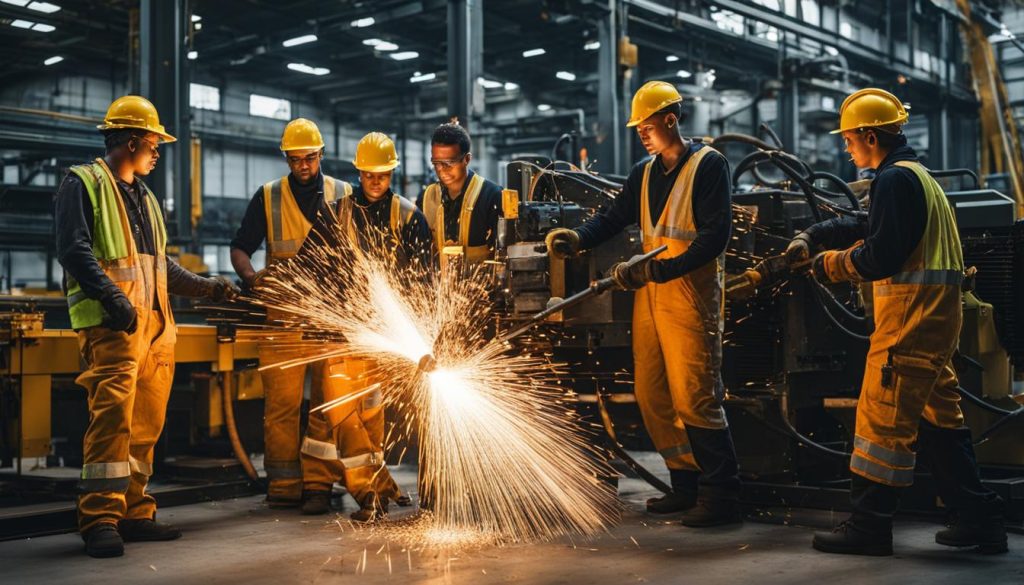
Providing work experience opportunities is a valuable way to engage young people and showcase the exciting career pathways available in manufacturing. Manufacturers can partner with schools and colleges to offer work experience placements that highlight the creativity and problem-solving skills required in the industry. This hands-on experience allows students to gain insight into the manufacturing process and explore various roles within the industry.
“Work experience opportunities provide a unique chance for young individuals to immerse themselves in the manufacturing environment. By actively participating in real-world projects, they can develop practical skills, problem-solving abilities, and a clearer understanding of potential career pathways in this dynamic industry.”
During work experience placements, students can work alongside professionals, observe daily operations, and contribute to projects that require innovative thinking. This firsthand experience fosters a sense of excitement and empowers young individuals to envision themselves as future leaders in the manufacturing industry.
Fostering Creativity and Problem-Solving Skills
Work experience opportunities in manufacturing allow young individuals to tap into their creativity and hone their problem-solving skills. By working on real-world challenges, they are encouraged to think outside the box, explore innovative solutions, and collaborate with experienced professionals. This exposure to creative problem-solving nurtures their ability to tackle complex issues and develop practical solutions, making them valuable assets to the industry.
In addition to developing technical skills, work experience programs also enhance essential skills such as communication, teamwork, and adaptability. By participating in cross-functional projects, students learn to collaborate effectively and navigate different work environments, preparing them for future success in their careers.
Work experience opportunities not only benefit young individuals but also provide manufacturers with a fresh perspective and a pool of potential talent. Students who have positive work experience placements are more likely to consider a career in manufacturing and may even pursue higher education or apprenticeships in related fields.
By investing in educational partnerships that prioritize work experience opportunities, manufacturers can cultivate the next generation of skilled workers and ensure the continued growth and innovation of the manufacturing industry.
Simplifying Application Process for Young Talent
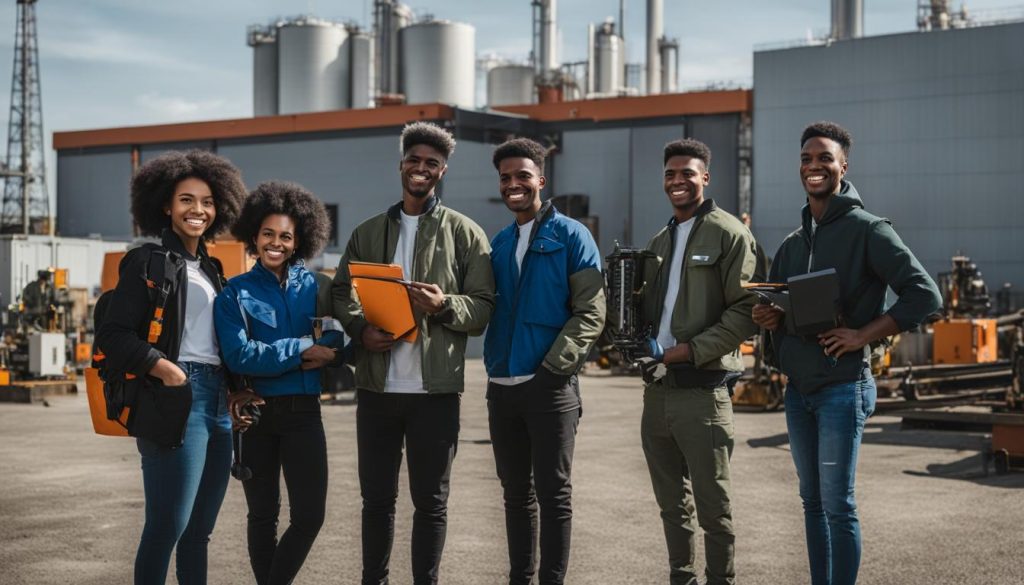
When it comes to attracting young talent to the manufacturing industry, it is crucial for manufacturers to streamline the application process, especially for those without extensive work experience. By simplifying the application process, you can create a more inclusive and inviting environment for young professionals looking to enter the manufacturing workforce.
Instead of placing excessive emphasis on specific skills and grades, it is important to focus on assessing a candidate’s skillset, personality, attitude, and willingness to learn. Take into consideration that young talent may not have a wealth of experience yet, but their potential and eagerness can make a significant impact on your organization.
Creating an inclusive workforce is another key aspect of attracting young talent. Consider offering support for travel expenses for interviewees, especially for those who may be having financial constraints. Promoting diversity and ensuring equal opportunities for all candidates can also help attract a wider range of young professionals to the manufacturing industry.
Remember, the goal is to create an environment that values the individual and their potential rather than solely relying on traditional markers of success. By simplifying the application process and focusing on the skillset, personality, attitude, and potential of young talent, you can foster a more diverse and vibrant workforce for the future of manufacturing.
Key Points:
- Simplify the application process for young talent
- Focus on skillset, personality, attitude, and potential
- Create an inclusive and inviting environment
- Offer support for travel expenses
- Promote diversity and equal opportunities
Conclusion
Ensuring a strong and skilled manufacturing workforce is crucial for the future success of the industry. To address the skills gap and attract young talent, manufacturers must adopt innovative strategies and prioritize talent acquisition and retention. By establishing partnerships with educational institutions, addressing misconceptions about the industry, and creating an empowering work environment, manufacturers can bridge the skills gap and revitalize the manufacturing industry.
Partnering with academic advisors, schools, and programs like Project Lead the Way (PLTW) can help steer students toward manufacturing careers from an early age. Mentorship programs and succession planning can ensure the transfer of knowledge and skills to the younger generation, while also fostering employee engagement.
Additionally, manufacturers should leverage technology and offer flexible work options to align with the preferences of younger workers. Promoting work-life balance and highlighting the advantages of manufacturing careers, such as job security and financial stability, can also attract young talent.
In conclusion, by embracing these strategies and addressing the needs and expectations of young professionals, the manufacturing industry can create a thriving workforce, bridge the skills gap, and secure a prosperous future.
FAQ
How can manufacturing companies attract young talent?
Manufacturing companies can attract young talent by partnering with educational programs, providing mentorship opportunities, creating an empowering work environment, leveraging technology and innovation, promoting work-life balance, highlighting the advantages of manufacturing careers, addressing misconceptions, engaging with the skills system, enhancing work experience opportunities, and simplifying the application process for young talent.
What are some strategies for partnering with education programs?
Manufacturers can partner with educational programs like Project Lead the Way (PLTW), offer apprentice or internship programs, mentor students and teachers, lend technology equipment, and create partnerships with schools and colleges to align educational programs with the needs of the manufacturing industry.
How can mentorship and succession planning contribute to attracting young talent?
Mentorship and succession planning can bridge the skills gap in manufacturing by allowing experienced employees to mentor and train younger employees for niche positions. This not only ensures a smooth transition when older employees retire but also builds employee engagement and provides growth opportunities for young talent.
What is the importance of creating an empowering work environment?
Younger workers value strong communication and opportunities for career development. Creating an empowering work environment that includes mentor programs can enhance talent retention and help young professionals feel heard and supported in their career paths.
How can leveraging technology and innovation attract young talent?
Younger generations are technology savvy and innovative. Manufacturers who offer technology-driven solutions, such as flexible work arrangements, intuitive devices, and online services, are more likely to attract young talent and gain a competitive advantage.
Why is promoting work-life balance important for attracting young talent?
Younger generations prioritize work-life balance. Manufacturing companies that offer flexible work arrangements, like flextime, create an attractive work environment that allows employees to achieve personal fulfillment while maintaining a balance between work and personal life.
What advantages can manufacturing careers offer to young professionals?
Manufacturing careers offer a wide range of opportunities, job security, financial stability, and continual technological advancements. These advantages make the manufacturing industry an appealing choice for young professionals seeking a fulfilling and prosperous career path.
How can manufacturers address misconceptions about the industry?
Manufacturers can combat misconceptions about the industry by promoting the varied jobs available, emphasizing competitive pay, and highlighting the potential for lifelong careers. This helps dispel the perception of manual work and attracts young talent to the manufacturing industry.
How can manufacturers engage with the skills system to attract young talent?
Manufacturers can engage with the skills system by offering apprenticeship programs, skills bootcamps, and partnerships with local schools and colleges. Fostering talent from an early stage and aligning educational programs with the needs of the manufacturing industry helps attract young professionals to the field.
How can manufacturers enhance work experience opportunities for young people?
Manufacturers can partner with schools and colleges to offer work experience placements that showcase the creativity and problem-solving skills required in manufacturing. This helps dispel misconceptions and provides young people with a firsthand look at the exciting career pathways available in the industry.
How can manufacturers simplify the application process for young talent?
Manufacturers can simplify the application process by placing less emphasis on specific skills and grades and focusing more on personality, attitude, and willingness to learn. Offering support for travel expenses and promoting diversity also helps create an inclusive workforce that attracts a wider range of young professionals to the manufacturing industry.