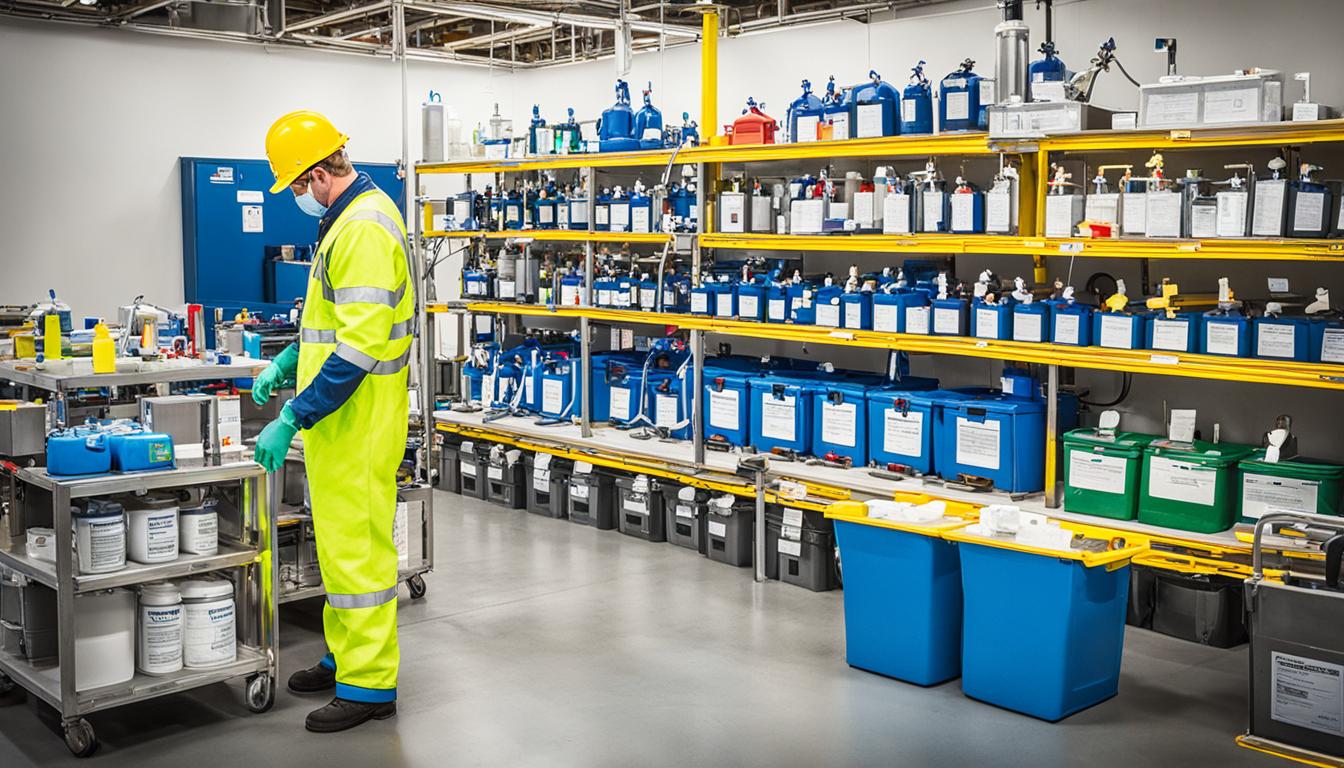
Did you know that in 2019 alone, the United States produced over 34.9 million tons of hazardous waste, with the chemical manufacturing industry being one of the primary contributors? The sheer scale of hazardous chemicals in the manufacturing sector highlights the urgent need for effective chemical safety protocols and equipment to protect workers and ensure workplace safety.
Key Takeaways:
- Proper chemical safety protocols and equipment are crucial in the manufacturing industry to protect workers from the hazards of handling hazardous chemicals.
- Personal Protective Equipment (PPE) plays a vital role in reducing safety risks and creating a secure work environment.
- Chemical safety training is essential to educate workers on the safe handling of chemicals and ensure their protection.
- Long-term exposure to hazardous chemicals can lead to severe health conditions, emphasizing the importance of protecting workers.
- Proper storage and handling of chemicals are essential for workplace safety and preventing dangerous reactions.
Importance of Personal Protective Equipment (PPE) in Chemical Safety
Personal Protective Equipment (PPE) is crucial for ensuring the safety of workers who handle hazardous chemicals. Without adequate PPE, workers are exposed to harmful chemicals that can negatively impact their health. PPE serves as the first line of defense and plays a vital role in working with chemicals safely. It protects workers from immediate chemical-handling dangers and defends against long-term safety effects. PPE also improves the working environment by making jobs safer, more efficient, and comfortable.
When it comes to workplace chemical safety, following the established chemical safety protocols and regulations is of utmost importance. Employers are responsible for providing appropriate PPE based on the specific chemical hazards workers may encounter. Occupational Safety and Health Administration (OSHA) sets guidelines and regulations for PPE selection and use, ensuring workers’ adequate protection.
“Personal Protective Equipment is a critical aspect of chemical safety. It acts as a shield, protecting workers from the potential dangers of hazardous chemicals. Ensuring proper PPE use demonstrates a commitment to workplace safety and employee well-being.”
PPE includes various protective gear, depending on the specific hazards present in the workplace. This can include respiratory protection, eye protection, face shields, gloves, protective clothing, and more. The type of PPE required is determined by the specific tasks and chemicals workers handle.
It is vital that workers understand the importance of PPE and how to use it correctly. Proper training and education on PPE selection, use, maintenance, and disposal are crucial. Workers should understand when and where to use specific PPE and the limitations of each piece of equipment.
Implementing a comprehensive PPE program is a cornerstone of workplace chemical safety. All employees who handle hazardous chemicals should receive PPE training and be aware of the proper protocols for using and maintaining their protective gear.
Benefits of PPE in Chemical Safety
The use of Personal Protective Equipment (PPE) in chemical safety protocols provides numerous benefits for both workers and employers:
- Protects against immediate chemical hazards: PPE acts as a barrier, preventing direct contact with hazardous substances, reducing the risk of burns, injuries, and chemical absorption through the skin.
- Defends against long-term health effects: Prolonged exposure to hazardous chemicals can lead to chronic health issues. PPE helps minimize the risk of respiratory problems, skin disorders, and other long-term health complications.
- Improves workplace safety: By enforcing PPE use, employers create a safer working environment, reducing the likelihood of accidents and injuries related to chemical exposure.
- Enhances worker productivity: When employees feel safe and protected, they can focus on their tasks more effectively, leading to improved productivity and efficiency.
- Boosts employee morale: Knowing that their well-being is a priority, workers feel valued and appreciated, leading to increased job satisfaction and employee engagement.
| PPE Type | Protection Provided |
|---|---|
| Respiratory Protection | Filters and removes hazardous particles and gases from the air, preventing respiratory diseases and illnesses. |
| Eye Protection | Shields the eyes from chemical splashes, flying objects, and other eye hazards, preventing injuries and vision problems. |
| Skin Protection | Protects the skin from direct contact with hazardous chemicals, reducing the risk of burns, rashes, and absorption. |
| Protective Clothing | Covers the body to prevent direct contact with chemicals, minimizing the risk of skin exposure and contamination. |
| Gloves | Protects the hands and fingers from chemical contact, reducing the risk of burns, cuts, and absorption. |
Levels of Personal Protective Equipment (PPE) for Chemical Safety
When it comes to chemical safety, Personal Protective Equipment (PPE) plays a crucial role in protecting workers from hazardous exposure. PPE assists in safeguarding the eyes, skin, and respiratory system, ensuring a safe workplace environment. There are four levels of PPE, each tailored to specific hazardous conditions and the degree of protection required for different parts of the body.
Level A Protection
Level A protection is the highest level of PPE and is designed for situations where there is a high risk of exposure to chemicals. This level includes fully encapsulated vapor- and chemical-protective suits, chemical-resistant gloves and footwear, and a positive pressure supplied air respirator. These measures provide comprehensive coverage, ensuring maximum safety for workers in extremely hazardous environments.
Level B Protection
When respiratory dangers are elevated, but skin and eye protection requirements are lesser, Level B protection is employed. This level incorporates hooded chemical-resistant clothing, face shields, and a positive pressure supplied air respirator. It effectively shields against respiratory hazards while still providing adequate safeguards for the skin and eyes.
Level C Protection
For conditions involving known airborne substances, Level C protection is utilized. This level primarily focuses on respiratory protection and involves the use of air-purifying respirators. Unlike the previous levels, Level C does not provide specific skin or eye protection. Therefore, it is imperative to assess the risk of skin and eye exposure in conjunction with respiratory hazards when deciding on the appropriate level of PPE.
Level D Protection
Level D protection is the lowest level of PPE and is suitable when there is minimal contact or inhalation of hazardous chemicals. It encompasses safety glasses, face shields, gloves, and coveralls. Although it provides the least amount of protection among the levels, Level D is still essential in maintaining workplace safety and minimizing the risk of chemical exposure.
| Level | PPE Components |
|---|---|
| Level A | Fully encapsulated vapor- and chemical-protective suits, chemical-resistant gloves and footwear, positive pressure supplied air respirator |
| Level B | Hooded chemical-resistant clothing, face shields, positive pressure supplied air respirator |
| Level C | Air-purifying respirators |
| Level D | Safety glasses, face shields, gloves, coveralls |
Implementing the appropriate level of PPE is crucial for ensuring the safety of workers in environments where hazardous chemicals are present. By adhering to these guidelines and providing the necessary protective gear, companies can significantly reduce the risk of chemical exposure and promote a culture of workplace safety.
Chemical Safety Training and Protocols for Worker Protection
Chemical safety training is paramount in ensuring the well-being of workers and the safe handling of chemicals in the workplace. Proper training equips employees with the knowledge and understanding of the chemicals they work with, their properties, hazards, and the necessary precautions to take.
Hazard communication is a critical component of chemical safety protocols. It involves effectively relaying information about the hazards associated with the chemicals in use. Safety Data Sheets (SDS), also known as Material Safety Data Sheets (MSDS), provide workers with detailed information about the chemical composition, physical and health hazards, safe handling procedures, and emergency response measures. Employers should ensure that SDSs are readily available and easily accessible to all employees.
Additionally, proper storage of chemicals is essential to minimize the risk of dangerous reactions and ensure worker safety. Following established guidelines for storing chemicals reduces the possibility of accidents and prevents chemical interactions that could lead to hazardous situations.
To create a safer workplace environment, comprehensive training is crucial. This includes not only chemical safety protocols but also training on the proper use of Personal Protective Equipment (PPE). PPE training equips workers with the knowledge and skills to select, use, and maintain the appropriate protective gear for their specific tasks and exposure risks. By ensuring consistent and comprehensive training, companies can minimize accidents and injuries, promoting a culture of safety and well-being.
Importance of Chemical Safety Training
Chemical safety training is vital for several reasons:
- It increases workers’ awareness of potential hazards and the importance of proper handling and storage.
- It empowers employees to actively participate in maintaining a safe work environment.
- It helps prevent accidents, injuries, and chemical exposures that can have long-term health effects.
- It ensures compliance with regulatory requirements and standards.
Sample Chemical Safety Training Program
“Chemical safety training is a fundamental part of our commitment to workplace safety. Our comprehensive program covers the safe handling, storage, and disposal of chemicals, as well as the proper use of Personal Protective Equipment. We provide regular refresher courses to ensure that employees stay up-to-date with the latest industry protocols and regulations. By investing in training and educating our workforce, we prioritize their safety and create a secure working environment.”
– Emma Johnson, Health and Safety Manager at ABC Manufacturing
| Topics Covered in Chemical Safety Training | Benefits |
|---|---|
| Identification and understanding of potential chemical hazards | – Enhanced safety awareness |
| Proper handling, storage, and disposal of chemicals | – Minimized risk of accidents and chemical exposures |
| Emergency response procedures | – Prompt and effective actions in hazardous situations |
| Proper use and maintenance of Personal Protective Equipment (PPE) | – Reduced risk of injuries and health issues |
| Hazard communication and the interpretation of Safety Data Sheets (SDS) | – Increased knowledge of chemical properties and risks |
The Impact of Chemical Exposure and Health Risks
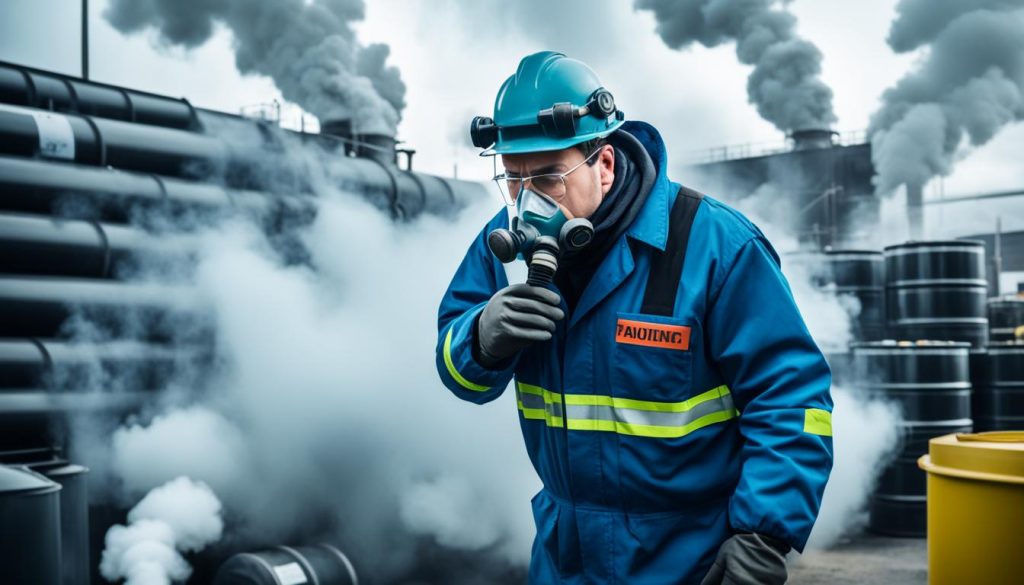
Long-term exposure to hazardous chemicals can have severe health consequences. Workers who handle these chemicals without proper protection are at risk of developing various health conditions such as mesothelioma, skin issues, organ damage, and reproductive problems. Occupational health concerns arise when workers are exposed to hazardous chemicals over an extended period. It is important to prioritize workplace safety to protect employees from the health risks associated with chemical exposure.
Occupational Health Risks
Occupational health risks are a significant concern for workers who handle hazardous chemicals in the workplace. Exposure to these chemicals without proper protection can lead to acute and chronic health effects. The severity of the risks can depend on factors such as the type of chemical, concentration, duration of exposure, and individual susceptibility. Common occupational health risks associated with chemical exposure include:
- Respiratory diseases
- Skin disorders and irritations
- Organ damage
- Reproductive health problems
The more workers become sick or injured due to chemical exposure, the greater the impact on workplace productivity. It is crucial to prioritize workplace safety and implement measures to protect employees from the health risks posed by hazardous chemicals.
Creating a Healthy Work Environment
Protecting workers from chemical exposure is essential for maintaining a healthy and productive work environment. By implementing appropriate safety protocols and providing adequate personal protective equipment (PPE), employers can mitigate the risks associated with hazardous chemicals. Workplace safety measures such as proper ventilation, regular monitoring of chemical levels, and adherence to safety guidelines play a crucial role in minimizing chemical exposure and health risks.
Furthermore, proactive measures such as regular health assessments and medical surveillance can help identify early signs of health conditions related to chemical exposure, allowing for timely intervention and treatment. Prioritizing workplace safety not only protects workers’ health but also contributes to overall business success by reducing employee absenteeism, improving morale, and enhancing productivity.
Storage and Handling of Chemicals for Workplace Safety
Proper storage and handling of chemicals are crucial for maintaining workplace safety and preventing hazardous incidents. By following specific protocols, you can minimize the risks associated with chemical storage and ensure the well-being of your employees.
Storage Requirements
Chemicals should be stored according to their specific requirements to prevent dangerous reactions and accidents. Some key considerations for chemical storage include:
- Segregating chemicals based on their compatibility to avoid potential reactions
- Storing flammable chemicals away from heat sources and oxidizing agents
- Keeping corrosive chemicals in well-ventilated areas to prevent the release of toxic fumes
- Using proper containers and labels to clearly identify the contents of each chemical
Handling Procedures
Safe handling procedures are equally important in minimizing the risks associated with chemicals. Implement the following practices to protect yourself and others:
- Wear appropriate Personal Protective Equipment (PPE) such as gloves, goggles, and respiratory protection
- Ensure proper ventilation in areas where chemicals are handled
- Follow precise measurements and instructions when working with chemicals
- Avoid using damaged or compromised containers
Remember, even seemingly harmless chemicals can pose a threat if mishandled or stored improperly. Prioritize safety at all times.
Safety Data Sheets
Safety Data Sheets (SDS) provide crucial information about the hazards, precautions, and recommended handling procedures for specific chemicals. Familiarize yourself with the SDS for each chemical you work with and ensure they are easily accessible to all employees.
It is essential to check the SDS for any specific storage or handling requirements related to the chemicals you are using.
Government Compliance
To maintain workplace safety, it is important to adhere to government regulations and standards concerning chemical storage and handling. Familiarize yourself with the applicable regulations in your industry and ensure your practices align with the required standards.
Compliance with government regulations not only protects your employees but also helps you avoid legal penalties and maintain a positive reputation as a responsible business.
In conclusion, by ensuring proper storage and handling of chemicals, you create a safe work environment, minimizing the risks of accidents and hazardous chemical reactions. Remember to always follow safety guidelines, use appropriate protective equipment, and stay updated with the latest regulations to ensure the well-being of your employees and maintain government compliance for optimal workplace safety.
The Role of Occupational and Environmental Health and Safety (OEHS) Professionals
OEH professionals are instrumental in maintaining workplace safety and protecting employees in the chemical manufacturing industry. Utilizing their expertise, they assess potential hazards, evaluate risks, and implement control measures to prevent injuries, illnesses, and chronic conditions. By prioritizing the well-being of workers, OEHS professionals ensure a secure environment for employees and mitigate health incidents that could impact the business’s productivity and reputation. Furthermore, investing in OEHS support enhances overall competitiveness and compliance with regulations.
The Importance of Risk Assessment
Risk assessment plays a crucial role in the work of OEHS professionals. Through careful evaluation of workplace hazards, including those posed by chemicals and physical agents, these professionals identify potential risks to employee health and safety. By conducting comprehensive risk assessments, OEHS professionals can develop targeted strategies and control measures to minimize or eliminate hazards, safeguarding workers from potential harm.
Industrial Hygienists and Health Incident Prevention
Industrial hygienists, a subset of OEHS professionals, specialize in identifying and controlling workplace health hazards. Their expertise enables them to implement comprehensive strategies that focus on preventing health incidents resulting from exposure to hazardous substances. Industrial hygienists are well-versed in establishing effective monitoring programs, conducting exposure assessments, and implementing control measures to minimize health risks to workers.
OEHS professionals are the linchpin of workplace safety, utilizing their knowledge and skills to protect employees from the potential dangers of chemical manufacturing.
To further highlight the significance of OEHS professionals, consider the following statistics:
| Industrial Sector | Injuries per 100 Workers | Days Away from Work Cases per 10,000 Workers |
|---|---|---|
| Chemical Manufacturing | 3.5 | 21 |
| Construction | 3.3 | 78 |
| Manufacturing | 2.1 | 48 |
These figures highlight the importance of OEHS professionals in the chemical manufacturing industry, where workplace safety risks are prevalent. Through their expertise, OEHS professionals work towards reducing the number of injuries and days away from work, ultimately improving the overall well-being of employees.
Collaboration and Education
Ongoing collaboration and education form the backbone of OEHS professionals’ work. They work closely with management, employees, and specialized teams to implement best practices, promote safety awareness, and ensure compliance with regulations. OEHS professionals also provide valuable training and educational resources to empower employees to recognize and mitigate workplace hazards effectively.
The role of OEHS professionals extends beyond immediate workplace safety concerns. It encompasses long-term health and well-being, fostering a culture of safety, and maintaining effective risk management strategies. Their expertise and dedication contribute significantly to a safer and healthier work environment in the chemical manufacturing industry.
Testimonials: Importance of OEHS Professionals in Protecting Chemical Manufacturing Employees
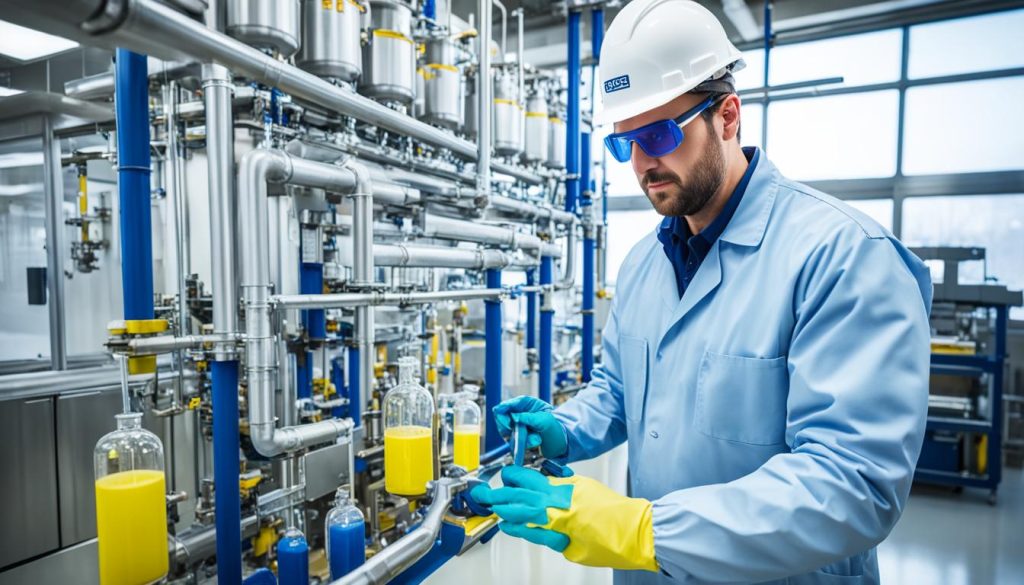
Executives from leading chemical manufacturing organizations understand the crucial role that Occupational and Environmental Health and Safety (OEHS) professionals play in safeguarding the health and safety of employees. These professionals are highly skilled in integrating health and safety practices into all aspects of the company, ensuring that workplace safety remains a top priority.
“Having dedicated OEHS professionals on our team has been instrumental in mitigating health and safety risks in our chemical manufacturing facilities. Their expertise in handling hazardous chemicals, ensuring regulatory compliance, and adopting the latest technologies has significantly improved the overall well-being of our employees.”
– David Thompson, CEO of ChemTech Industries
OEHS professionals provide comprehensive training programs that educate employees on proper handling techniques for hazardous chemicals. By imparting knowledge and skills, these professionals equip workers with the necessary tools to work safely in chemical manufacturing environments.
“We have witnessed a significant reduction in workplace incidents and injuries ever since we implemented a robust OEHS training program. Our employees are now better equipped to handle chemical hazards, making our workplace a safer environment for all.”
– Sarah Rodriguez, Director of Operations at SafetyChem Corporation
In addition to training, OEHS professionals ensure that their organizations comply with all relevant regulations and standards related to chemical safety. They stay up to date on the latest guidelines and best practices to continuously improve safety protocols and mitigate risks.
“Our OEHS team’s commitment to regulatory compliance and staying abreast of industry advancements has been invaluable. Their attention to detail and dedication has not only protected our employees but has also helped us maintain a strong reputation as a responsible chemical manufacturing company.”
– Mark Anderson, COO of Advanced Chemical Solutions
The presence of OEHS professionals within chemical manufacturing companies reduces overall risk and contributes to higher levels of employee engagement. By prioritizing health and safety, these professionals foster a culture of well-being, where employees feel valued and secure in their working environment.
With their expertise and continuous efforts, OEHS professionals positively impact the bottom line of chemical manufacturing organizations. By preventing workplace accidents and injuries, they help companies avoid costly legal disputes, medical expenses, and production downtime.
| Benefits of OEHS Professionals in Chemical Manufacturing | Testimonials |
|---|---|
| Expertise in regulatory compliance | “The guidance and expertise provided by our OEHS professionals have ensured that our chemical manufacturing processes comply with all relevant regulations and standards.” – Emily Collins, Environmental Health and Safety Manager at ChemSol Industries |
| Reduced risk of workplace incidents | “Since partnering with our OEHS professionals, we have witnessed a significant drop in workplace incidents and injuries, leading to improved overall productivity.” – Robert Turner, Plant Manager at SafeChem Manufacturing |
| Innovation in safety technologies | “Our OEHS team’s focus on adopting the latest safety technologies has revolutionized our chemical manufacturing operations. We now have advanced monitoring systems and improved safety equipment, enhancing worker protection.” – Melissa Ramirez, Health and Safety Director at ChemGuard Solutions |
Resources for Chemical Safety
Ensuring chemical safety in the workplace requires access to a variety of resources and initiatives. These resources include databases, tools, and regulations related to occupational health, poison centers, and the public health impact of chemicals. By utilizing these resources, organizations can enhance their chemical safety practices and protect the well-being of their employees.
One valuable resource is the Occupational Safety and Health Administration (OSHA), which provides comprehensive guidelines and regulations for chemical safety in the workplace. Following OSHA guidelines ensures compliance with industry standards and helps prevent accidents and injuries.
The National Institute for Occupational Safety and Health (NIOSH) is another important resource. NIOSH offers a wide range of chemical safety resources, including research papers, technical guidelines, and training programs. These resources help organizations stay up to date with the latest advancements and best practices in chemical safety.
Other valuable resources include poison control centers, which provide immediate assistance and guidance in the event of chemical exposure or poisoning. These centers have trained professionals available 24/7 to provide advice on how to handle chemical incidents and offer information on treatment options.
The Chemical Risk Assessment Network is an initiative that brings together experts from various fields to assess and manage chemical risks. Through collaboration and knowledge sharing, the network aims to develop strategies and guidelines for better chemical safety practices.
The Global Alliance to Eliminate Lead Paint is another organization working towards chemical safety. This initiative focuses on eliminating lead paint, a significant health hazard, and raising awareness about the dangers associated with lead exposure.
Technical work in the field of chemical safety is also crucial for improving practices and fostering awareness. Research papers, case studies, and academic journals contribute to the growing body of knowledge and provide valuable insights into chemical safety.
Staying updated with news and developments in the field of chemical safety is equally important. Regularly following industry publications and news sources allows organizations to stay informed about emerging risks, regulations, and advancements in chemical safety technologies.
By utilizing these resources and initiatives, organizations can enhance their chemical safety practices, proactively manage risks, and create a safer work environment for employees.
Tips for Safer Chemical Handling in the Workplace
When it comes to chemical handling in the workplace, safety should always be the top priority. By implementing proper practices and protocols, you can minimize the risks associated with hazardous chemicals and create a safer working environment for you and your colleagues.
- Understand the chemicals: Before working with any chemicals, take the time to understand their properties and potential hazards. Familiarize yourself with the appropriate safety precautions, handling procedures, and emergency response protocols.
- Provide the appropriate PPE: Personal Protective Equipment (PPE) is crucial for protecting yourself from chemical exposure. Ensure that you and your colleagues have access to the necessary PPE, such as gloves, goggles, respirators, and protective clothing, based on the specific chemicals being used.
- Store chemicals safely: Proper storage of chemicals is essential to prevent accidents and reactions. Follow the recommended storage guidelines, including keeping chemicals in appropriate containers, away from incompatible substances, and in well-ventilated areas. Utilize safety cabinets or designated storage areas to minimize the risk of spills or leaks.
- Comprehensive training: Ensure that all employees receive comprehensive training on chemical handling procedures, emergency response protocols, and the proper use of PPE. Regularly update training programs to stay informed about the latest safety practices and regulations.
- Create a culture of chemical education: Foster a culture of chemical education and safe practices in your workplace. Encourage open communication about safety concerns, provide resources for further education, and regularly review and reinforce safety procedures.
By following these tips, you can significantly reduce the risks associated with chemical handling in the workplace and promote a safer and healthier work environment for everyone.
Conclusion
Workplace safety is of utmost importance, especially when it comes to handling hazardous chemicals in manufacturing. Chemical safety protocols and the use of Personal Protective Equipment (PPE) are crucial in minimizing the risks associated with chemical exposure. By implementing proper safety measures, providing adequate training, and adhering to regulations, companies can create a secure work environment and protect the health of their employees.
PPE serves as the first line of defense against chemical hazards. It plays a vital role in reducing the risks of chemical exposure and ensuring the safety and well-being of workers. By equipping employees with the appropriate PPE, companies can significantly reduce the likelihood of accidents, injuries, and long-term health effects caused by hazardous chemicals.
Additionally, prioritizing chemical safety not only safeguards the health of workers but also contributes to overall business success. A workplace that prioritizes safety and implements proper chemical handling practices fosters a healthier and more productive workforce. Employees feel valued and supported, leading to increased engagement and satisfaction. Moreover, companies that prioritize chemical safety are more likely to comply with occupational health regulations, mitigating legal risks and maintaining a positive reputation within the industry.
In conclusion, by prioritizing workplace safety, following proper chemical safety protocols, providing adequate training, and equipping employees with the necessary PPE, companies can ensure a secure and healthy work environment. Chemical safety is not just a legal requirement; it is an investment in the well-being of employees and the success of the business as a whole.
FAQ
Why is chemical safety important in manufacturing?
Chemical safety is crucial in manufacturing to protect workers from the hazards of handling hazardous chemicals. It ensures worker safety, reduces accidents and injuries, and improves overall workplace efficiency.
What is the role of Personal Protective Equipment (PPE) in chemical safety?
PPE plays a vital role in reducing safety risks and creating a secure work environment. It serves as the first line of defense against chemical exposure and protects workers from immediate dangers and long-term safety effects.
What are the different levels of Personal Protective Equipment (PPE) for chemical safety?
There are four levels of PPE based on hazardous exposure and the need for eye, skin, and respiratory protection. These levels range from Level A, which offers the highest protection, to Level D, which provides minimal protection.
Why is chemical safety training important?
Chemical safety training is crucial to educate workers on the safe handling of chemicals and ensure their protection. It helps minimize accidents and injuries, improves workplace safety, and creates a safer working environment.
What are the health risks associated with chemical exposure?
Long-term exposure to hazardous chemicals can lead to severe health conditions, including mesothelioma, skin issues, organ damage, and reproductive problems. Protecting workers from chemical exposure is crucial to maintain a healthy and productive work environment.
How should chemicals be stored and handled for workplace safety?
Chemicals should be stored according to their specific requirements to prevent dangerous reactions such as fires, toxic gas clouds, and explosions. Adhering to government regulations and compliance with storage and handling protocols is crucial for worker safety.
What is the role of Occupational and Environmental Health and Safety (OEHS) professionals?
OEHS professionals play a vital role in identifying and addressing potential workplace hazards. They assess chemical and physical hazards, apply risk assessment strategies, and implement control measures to prevent injuries, illnesses, and chronic conditions. They help mitigate risks and improve overall competitiveness.
How do OEHS professionals contribute to chemical safety in the manufacturing industry?
OEHS professionals integrate health and safety into all aspects of the company. They provide training on handling hazardous chemicals, ensure compliance with regulations, and stay updated on the latest technologies. Having these professionals on the team reduces risk, improves employee engagement, and positively impacts the bottom line.
What resources are available for chemical safety?
Various resources and initiatives support chemical safety, including databases, tools, and regulations related to occupational health, poison centers, and public health impact of chemicals. Organizations and networks work towards ensuring chemical safety and contribute to ongoing improvement and awareness of best practices.
What are some tips for safer chemical handling in the workplace?
To ensure safer chemical handling, it is important to understand the chemicals being used, provide the appropriate PPE, store chemicals safely, and ensure comprehensive training for all employees. Creating a culture of chemical education and safe practices is key to maintaining a safe and healthy work environment.
Why is chemical safety important in manufacturing?
Chemical safety in manufacturing is critical for protecting workers from the hazards associated with handling hazardous chemicals. By implementing proper safety protocols, providing adequate training, and following regulations, companies can create a secure work environment and minimize health risks for their employees.