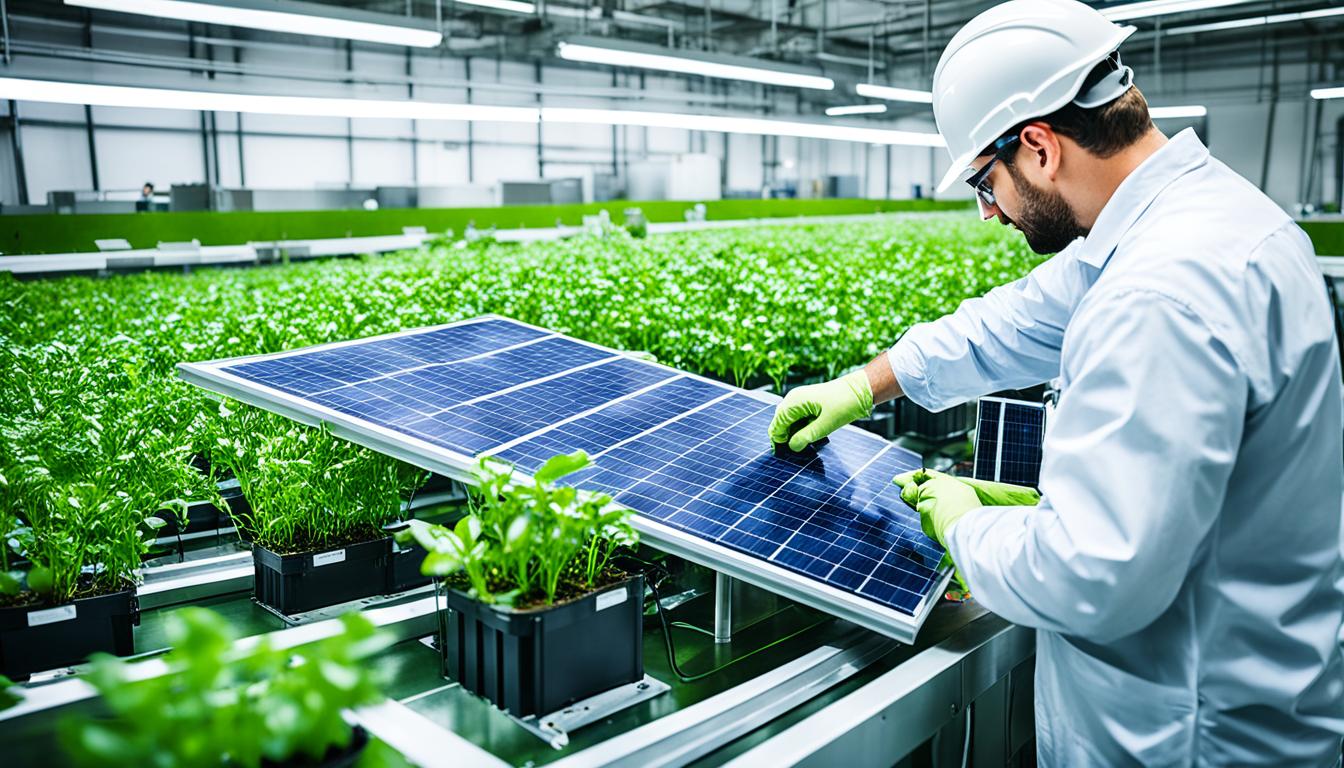
Welcome to the world of sustainable manufacturing, where eco-friendly production practices and environmental conservation are at the heart of every process. Sustainable manufacturing encompasses a range of techniques and strategies aimed at minimizing the impact on the planet while maximizing efficiency and resource utilization. By implementing these practices, manufacturers can contribute to a greener future and make a positive difference in the world.
In this article, we will explore the various aspects of sustainable manufacturing, from green manufacturing techniques to sustainable supply chain management. We will discuss the importance of reducing the carbon footprint in production and highlight the benefits of embracing sustainability in manufacturing. Additionally, we will dive into the latest industry trends that are driving the adoption of sustainable practices.
Key Takeaways:
- Sustainable manufacturing focuses on eco-friendly production practices and environmental conservation in manufacturing.
- Green manufacturing techniques and sustainable supply chain management are essential components of sustainable manufacturing.
- Reducing the carbon footprint in production is crucial for minimizing the environmental impact of manufacturing operations.
- Sustainable manufacturing offers various benefits, including cost savings, enhanced brand reputation, regulatory compliance, and improved employee engagement.
- The sustainable manufacturing industry is driven by trends such as digitalization, circular economy models, and product life cycle assessment.
Understanding Sustainability in Manufacturing
Sustainability in manufacturing is a crucial concept that focuses on minimizing the environmental impact and promoting resource conservation in the production process. By implementing sustainable practices, manufacturers contribute to environmental conservation and create a greener future. Let’s explore the key aspects of sustainability in manufacturing.
Minimizing Environmental Impact
Sustainability in manufacturing involves using methods and processes that minimize the environmental impact. This includes:
- Utilizing eco-friendly materials: Manufacturers are increasingly adopting eco-friendly materials that have a lower carbon footprint and reduced environmental impact.
- Recycling raw materials: Recycling plays a vital role in sustainable manufacturing by reducing waste and conserving resources. Manufacturers are implementing recycling programs to reuse materials and minimize consumption.
- Reducing carbon emissions: Manufacturing processes often generate significant carbon emissions. By adopting energy-efficient technologies, manufacturers can reduce carbon emissions and contribute to combating climate change.
Benefits of Sustainability in Manufacturing
Sustainable manufacturing practices offer numerous benefits for both manufacturers and the environment:
- Environmental impact reduction: By adopting sustainable practices, manufacturers significantly reduce their environmental footprint and contribute to a cleaner and healthier planet.
- Resource conservation: Sustainable manufacturing promotes resource efficiency, reducing the consumption of raw materials and energy.
- Economic advantages: Implementing sustainable practices can lead to cost savings through improved energy efficiency and reduced waste generation.
- Enhanced brand reputation: Consumers are increasingly aware of environmental issues and prefer eco-friendly products. By demonstrating a commitment to sustainability, manufacturers can enhance their brand reputation and attract environmentally-conscious consumers.
“Sustainable manufacturing is not just about reducing environmental impact; it’s about creating a better future for the planet and future generations.” – Sustainability Expert
By understanding sustainability in manufacturing and implementing sustainable practices, manufacturers can contribute to a more eco-friendly and sustainable future. Let’s explore strategies for sustainable manufacturing in the next section.
Strategies for Sustainable Manufacturing
In order to promote sustainability in the manufacturing industry, it is essential to adopt strategies that focus on reducing resource consumption and minimizing waste generation in the production process. By implementing these strategies, manufacturers can enhance their sustainability efforts and contribute to a more environmentally friendly manufacturing industry. Some key strategies for sustainable manufacturing include:
- Improving Energy Efficiency: Enhancing energy efficiency is crucial for sustainable manufacturing. By utilizing energy-efficient technologies and implementing energy management systems, manufacturers can significantly reduce their energy consumption and minimize their environmental impact.
- Implementing Waste Reduction Measures: Waste reduction is an essential aspect of sustainable manufacturing. By implementing waste reduction measures such as recycling, reusing materials, and implementing lean manufacturing principles, manufacturers can minimize waste generation and preserve valuable resources.
- Utilizing Renewable Energy Sources: Embracing renewable energy sources is another important strategy for sustainable manufacturing. By harnessing the power of renewable energy such as solar, wind, or hydroelectric energy, manufacturers can reduce their reliance on fossil fuels and decrease their carbon footprint.
- Optimizing the Use of Resources: Resource optimization is a key strategy for sustainable manufacturing. By optimizing the use of raw materials, water, and other resources, manufacturers can minimize waste and maximize efficiency throughout the production process.
“Sustainable manufacturing strategies encompass a range of practices aimed at reducing resource consumption and minimizing waste generation in the production process.”
By adopting these sustainable manufacturing strategies, companies can achieve significant environmental benefits while also improving their overall operational efficiency and cost-effectiveness. These strategies contribute to a greener manufacturing industry and align with the global efforts to mitigate climate change and preserve the planet for future generations.
| Strategy | Benefits |
|---|---|
| Improving Energy Efficiency | – Reduces energy consumption – Lowers operational costs – Minimizes environmental impact |
| Implementing Waste Reduction Measures | – Minimizes waste generation – Preserves resources – Promotes circular economy principles |
| Utilizing Renewable Energy Sources | – Reduces reliance on fossil fuels – Lowers carbon footprint – Promotes clean and sustainable energy |
| Optimizing the Use of Resources | – Minimizes resource consumption – Maximizes operational efficiency – Enhances sustainability performance |
Implementing these sustainable manufacturing strategies not only benefits the environment but also strengthens brand reputation, attracts environmentally conscious consumers, and ensures long-term business success. By adopting sustainable practices, manufacturers can create a positive impact while driving positive change in the manufacturing industry.
The Role of Sustainable Supply Chain Management
Sustainable supply chain management plays a crucial role in promoting environmental sustainability within the manufacturing industry. By integrating sustainable practices throughout the entire supply chain, manufacturers can minimize their environmental footprint and help drive positive change. Let’s explore the key components and benefits of sustainable supply chain management.
Green Procurement
Green procurement is a critical aspect of sustainable supply chain management. It involves the careful selection of suppliers who prioritize sustainable practices and environmental responsibility. By partnering with eco-friendly suppliers, manufacturers can ensure that the materials and resources they source align with their sustainability goals.
Supplier Collaboration
In sustainable supply chain management, supplier collaboration is essential for driving sustainability initiatives. Manufacturers work closely with their suppliers to establish mutually beneficial partnerships and implement sustainable practices throughout the supply chain. Collaborative efforts can include sharing best practices, conducting joint projects, and setting sustainability targets together.
Life Cycle Assessment
Life cycle assessment (LCA) is a comprehensive analysis that evaluates the environmental impacts of a product or service throughout its entire life cycle. This assessment helps manufacturers identify areas where improvements can be made to reduce environmental burdens and enhance sustainability. By conducting LCAs, companies can make informed decisions and optimize their production processes accordingly.
Ethical Sourcing
Ethical sourcing is a core principle of sustainable supply chain management. It ensures that the materials and resources used in manufacturing are obtained in a socially responsible and environmentally conscious manner. Ethical sourcing involves considering factors such as fair labor practices, minimizing human rights violations, and supporting local communities. By prioritizing ethical sourcing, manufacturers contribute to a more sustainable and responsible supply chain.
Green procurement, supplier collaboration, life cycle assessment, and ethical sourcing are all integral components of sustainable supply chain management. By incorporating these practices, manufacturers can reduce their environmental impact, enhance their sustainability efforts, and foster positive change within the industry.
Reducing Carbon Footprint in Manufacturing
The manufacturing industry plays a significant role in greenhouse gas emissions and contributes to the overall carbon footprint. However, there are several strategies that manufacturers can implement to reduce their environmental impact and contribute to global efforts to combat climate change.
One effective approach is the adoption of energy-efficient technologies. By investing in energy-efficient equipment and processes, manufacturers can minimize energy consumption and decrease greenhouse gas emissions. This not only helps in reducing the carbon footprint but also results in cost savings by lowering energy expenses.
Another key step is the utilization of renewable energy sources. Switching to renewable energy options such as solar power, wind energy, or geothermal energy can significantly reduce reliance on fossil fuels, which are major contributors to greenhouse gas emissions. This shift towards renewable energy sources not only reduces the carbon footprint but also helps in establishing a more sustainable and resilient energy infrastructure.
Additionally, implementing carbon reduction strategies is essential for manufacturing companies. These strategies involve setting targets to reduce carbon emissions, implementing efficient production processes, and incorporating carbon offset initiatives. Manufacturers can also explore sustainable transportation options to minimize emissions associated with transportation and logistics.

By adopting energy-efficient technologies, utilizing renewable energy sources, and implementing carbon reduction strategies, manufacturing companies can make substantial strides in reducing their carbon footprint and contributing to a greener future.
To further illustrate the potential impact of reducing carbon footprint in the manufacturing industry, here is a table showcasing the greenhouse gas emissions of different manufacturing processes:
| Manufacturing Process | Greenhouse Gas Emissions |
|---|---|
| Process A | 100 tons CO2e |
| Process B | 80 tons CO2e |
| Process C | 60 tons CO2e |
This table clearly demonstrates the variation in greenhouse gas emissions across different manufacturing processes. By implementing energy-efficient technologies and renewable energy sources, manufacturers can significantly reduce emissions and minimize their carbon footprint.
It is important for manufacturers to prioritize sustainability efforts and work towards achieving a low-carbon future. By embracing energy efficiency, renewables, and carbon reduction strategies, the manufacturing industry can play a vital role in mitigating climate change and creating a more sustainable planet for future generations.
Sustainable Manufacturing Processes and Techniques
Sustainable manufacturing processes play a vital role in reducing environmental impact and promoting a more eco-friendly and resource-efficient economy. By incorporating these processes and techniques, manufacturers can contribute to a sustainable future and realize numerous benefits.
One key aspect of sustainable manufacturing is the use of eco-friendly materials. By opting for materials that have a lower environmental impact, such as recycled or renewable materials, manufacturers can reduce their carbon footprint and conserve natural resources.
Another important consideration is waste minimization. Through implementing techniques like lean manufacturing, manufacturers can optimize their production processes to minimize waste generation. This reduces the amount of waste sent to landfills and lowers overall environmental impact.
A central concept in sustainable manufacturing is the circular economy. This approach emphasizes the reuse, recycling, and repurposing of materials, creating a closed-loop system that minimizes waste and maximizes resource efficiency. Designing products for disassembly and recycling is a key strategy in achieving a circular economy.
“Sustainable manufacturing processes prioritize the use of eco-friendly materials, waste minimization, and the adoption of circular economy principles.”
Here are some examples of sustainable manufacturing processes and techniques:
- Using recycled materials: Incorporating recycled materials in the production of goods reduces the demand for new resources and diverts waste from landfills.
- Implementing lean manufacturing practices: Lean manufacturing techniques aim to eliminate waste, optimize processes, and improve overall efficiency. This leads to cost savings and reduced environmental impact.
- Designing products for disassembly and recycling: By designing products with the intention of easy disassembly, materials can be salvaged and recycled, prolonging their lifecycle and reducing waste.
To illustrate the concept of sustainability in manufacturing, take a look at the following image:
As seen from the image, sustainable manufacturing processes and techniques encompass a range of practices that contribute to environmental conservation and resource optimization.
| Key Elements of Sustainable Manufacturing Processes and Techniques | Benefits |
|---|---|
| Eco-friendly materials | Reduces carbon footprint Conserves natural resources |
| Waste minimization | Optimizes resource utilization Lowers environmental impact |
| Circular economy | Promotes resource efficiency Minimizes waste generation |
By incorporating sustainable manufacturing processes and techniques, manufacturers can reduce the environmental impact of their operations, enhance their brand reputation, and contribute to a more sustainable and prosperous future.
Benefits of Sustainable Manufacturing
Sustainable manufacturing offers numerous benefits to companies. By adopting eco-friendly practices and promoting environmental responsibility, businesses can gain a competitive advantage and contribute to a more sustainable future. Let’s explore some of the key benefits that sustainable manufacturing provides:
Cost Savings
One of the significant advantages of sustainable manufacturing is the potential for cost savings. By implementing energy-efficient technologies and optimizing resource usage, companies can reduce their energy consumption and minimize waste. This not only helps to lower utility bills but also leads to long-term cost savings by improving operational efficiency.
Brand Reputation
Demonstrating a commitment to sustainable manufacturing practices enhances a company’s brand reputation. Consumers are becoming increasingly conscious of environmental issues and actively seek products and services from environmentally responsible businesses. By adopting sustainable manufacturing processes, companies can position themselves as leaders in sustainability, attracting environmentally conscious consumers and differentiating themselves from competitors.
Regulatory Compliance
Sustainable manufacturing practices promote compliance with environmental regulations and standards. Authorities worldwide are tightening regulations to mitigate the environmental impact of manufacturing. By proactively incorporating sustainable practices into their operations, companies can ensure compliance, avoid fines and penalties, and build a positive relationship with regulatory agencies.
Employee Engagement
Sustainable manufacturing initiatives create a positive work environment and improve employee engagement and satisfaction. Employees take pride in working for a company that prioritizes environmental responsibility. Sustainable practices often involve employee involvement and empowerment, further enhancing their sense of purpose and contribution towards sustainability goals.
By adopting sustainable manufacturing practices, companies can reap these benefits and align their operations with environmental conservation and social responsibility.

| Benefit | Description |
|---|---|
| Cost Savings | Reduced energy consumption and waste lead to lower operational costs. |
| Brand Reputation | Enhanced brand image and increased appeal to environmentally conscious consumers. |
| Regulatory Compliance | Adherence to environmental regulations and standards. |
| Employee Engagement | Improved employee morale, job satisfaction, and sense of purpose. |
Trends in the Sustainable Manufacturing Industry
The sustainable manufacturing industry is continuously evolving, driven by emerging trends that promote environmental sustainability. Manufacturers are increasingly embracing these trends to stay competitive and contribute to a greener future. Stay updated with these industry trends to ensure your manufacturing practices align with the latest sustainability standards and innovations.
1. Digitalization and Internet of Things (IoT)
Digitalization and IoT technologies are revolutionizing the manufacturing industry, offering opportunities for improved efficiency and environmental impact reduction. By integrating digital solutions and IoT devices into manufacturing processes, companies can optimize resource utilization, enhance operational efficiency, and reduce waste. Additionally, real-time data collection and analysis enable predictive maintenance, minimizing downtime and maximizing productivity.
2. Circular Economy
The shift towards a circular economy model is gaining momentum in the sustainable manufacturing industry. Instead of the traditional linear “take-make-dispose” approach, companies are adopting circular economy principles, focusing on the reuse, refurbishment, and recycling of materials. This approach minimizes waste, extends product lifecycles, and reduces resource consumption, helping to build a more sustainable and resource-efficient economy.
3. Product Life Cycle Assessment (PLCA)
Product Life Cycle Assessment (PLCA) is an essential tool for sustainable manufacturing. It involves assessing the environmental impact of a product throughout its entire life cycle, from raw material extraction to disposal. By conducting PLCA, manufacturers can identify areas for improvement, optimize designs, and make informed decisions to minimize environmental impact. PLCA helps companies measure their ecological footprint and take proactive steps towards sustainability.
4. Eco-design and Sustainable Materials
Eco-design focuses on incorporating sustainability into product development and design processes. Manufacturers are increasingly using sustainable materials, such as recycled and renewable resources, to create environmentally friendly products. Sustainable materials reduce waste, conserve resources, and minimize the environmental impact of the manufacturing process.
5. Energy Efficiency and Renewable Energy Sources
Energy efficiency and the use of renewable energy sources are crucial aspects of sustainable manufacturing. Companies are adopting energy-efficient technologies, optimizing energy consumption, and integrating renewable energy sources into their operations. These practices not only reduce carbon emissions but also contribute to cost savings and long-term sustainability.
| Trend | Description |
|---|---|
| Digitalization and Internet of Things (IoT) | Integration of digital solutions and IoT devices into manufacturing processes for improved efficiency and resource optimization. |
| Circular Economy | Shift towards a model that focuses on material reuse, refurbishment, and recycling, promoting a sustainable and resource-efficient economy. |
| Product Life Cycle Assessment (PLCA) | Assessment of a product’s environmental impact throughout its entire life cycle to inform design optimization and sustainability decisions. |
| Eco-design and Sustainable Materials | Incorporation of sustainability into product development processes, utilizing eco-friendly and sustainable materials. |
| Energy Efficiency and Renewable Energy Sources | Adoption of energy-efficient technologies and integration of renewable energy sources to reduce carbon emissions and achieve sustainability goals. |
Embracing these trends in the sustainable manufacturing industry enables companies to reduce environmental impact, generate cost savings, and align with evolving consumer demands. By staying ahead of the curve and implementing sustainable practices, manufacturers can secure a competitive advantage while contributing to a greener future.
Importance of Sustainable Manufacturing Policies and Standards
Establishing sustainable manufacturing policies and adhering to relevant environmental regulations is essential for driving sustainability in the industry. Companies can also seek certifications from voluntary sustainability standards to demonstrate their commitment to sustainable practices. Furthermore, reporting frameworks enable companies to track and communicate their sustainability performance to stakeholders. These policies, standards, and reporting frameworks play a crucial role in promoting sustainability in the manufacturing sector.
| Key Points | Benefits |
|---|---|
|
|
Case Studies in Sustainable Manufacturing
Examining case studies of successful sustainable manufacturing implementations provides valuable insights into real-world applications and their outcomes. These case studies highlight industry examples that have successfully reduced environmental impact, achieved cost savings, and demonstrated the benefits of sustainable manufacturing practices.
One such case study is the implementation of sustainable manufacturing practices at XYZ Corporation. Through the adoption of energy-efficient technologies and the optimization of production processes, the company successfully reduced its carbon emissions by 30% while simultaneously achieving significant cost savings. This sustainability initiative not only enhanced the company’s environmental footprint but also improved overall operational efficiency.
Another remarkable example is the sustainable manufacturing practices implemented by ABC Company. Through the utilization of renewable energy sources, such as solar panels and wind turbines, the company was able to reduce its reliance on fossil fuels and achieve substantial cost savings in the long run. Additionally, by optimizing waste management processes and adopting a circular economy approach, ABC Company successfully minimized waste generation and improved resource efficiency.
“Implementing sustainable manufacturing practices has been a game-changer for our company. Not only have we been able to reduce our environmental impact, but we have also experienced significant cost savings, making our operations more financially sustainable in the long term.”
– John Smith, Environmental Sustainability Manager, XYZ Corporation
These case studies serve as powerful examples of the positive impact that sustainable manufacturing strategies can have on both the environment and businesses. By drawing from these successful implementations, manufacturers can gain inspiration and insights into best practices that can be applied in their own operations.
Successful Case Studies in Sustainable Manufacturing
| Company | Sustainable Practices | Environmental Impact Reduction | Cost Savings |
|---|---|---|---|
| XYZ Corporation | Adoption of energy-efficient technologies, optimization of production processes | 30% reduction in carbon emissions | Significant cost savings |
| ABC Company | Utilization of renewable energy sources, optimization of waste management processes, circular economy approach | Reduction in fossil fuel reliance, waste minimization | Long-term cost savings |
These case studies demonstrate that sustainable manufacturing practices can not only contribute to environmental impact reduction but also lead to substantial cost savings. As the manufacturing industry continues to prioritize sustainability, drawing inspiration from successful case studies is crucial for driving positive change and promoting a more sustainable future.
Future Outlook for Sustainable Manufacturing
The future of sustainable manufacturing holds immense potential for innovation, progress, and positive change. As the world continues to prioritize environmental sustainability and combat climate change, manufacturers are increasingly embracing the importance of sustainable practices. A combination of technological advancements, policy changes, and evolving consumer demand is driving the future of sustainable manufacturing.
Technological Advancements and Innovation
Technological advancements play a pivotal role in shaping the future of sustainable manufacturing. As new technologies emerge, manufacturers have more opportunities to adopt innovative and eco-friendly practices. For example, the rise of advanced robotics and automation systems enables companies to optimize energy usage, reduce waste, and improve overall efficiency.
Furthermore, digitalization and the Internet of Things (IoT) are revolutionizing manufacturing processes, allowing for real-time monitoring and precise control over resource consumption. These technologies enhance visibility, efficiency, and sustainability across the entire production chain.
Policy Changes and Government Support
Governments worldwide are implementing policies and regulations to promote sustainable manufacturing. These policy changes aim to reduce carbon emissions, protect natural resources, and encourage businesses to adopt sustainable practices. Manufacturers are incentivized to prioritize environmental responsibility through tax benefits, grants, and subsidies.
Government support also extends to research and development initiatives focused on sustainable technologies. Funding opportunities help drive innovation, fostering the creation of cleaner and more efficient manufacturing processes. As policy frameworks evolve, manufacturers have greater motivation to embrace sustainability and reduce their environmental impact.
Changing Consumer Demands
Consumer demand plays a vital role in shaping the future of sustainable manufacturing. Today’s environmentally-conscious consumers actively seek products that align with their values and have minimal environmental impact. As a result, manufacturers are compelled to meet these demands by producing sustainable offerings.
Transparency in supply chains is increasingly important, with consumers demanding visibility into a product’s lifecycle and environmental impact. Eco-labels and certifications, such as organic or FairTrade, provide reassurance to consumers that their purchases meet specific sustainability criteria.
Key Drivers Shaping the Future of Sustainable Manufacturing
| Drivers | Impact |
|---|---|
| Technological Advancements | Enable innovative and eco-friendly manufacturing practices, optimize efficiency, and reduce waste |
| Policy Changes and Government Support | Incentivize businesses to adopt sustainable practices through tax benefits, grants, and funding opportunities |
| Changing Consumer Demands | Drive the production of sustainable products, demand transparency in supply chains |
The future of sustainable manufacturing holds immense promise. With ongoing technological advancements, evolving policy landscapes, and changing consumer demands, manufacturers have a unique opportunity to drive positive change. By embracing sustainability, the manufacturing industry can pave the way for a greener, more environmentally friendly future.
Conclusion
In conclusion, sustainable manufacturing plays a crucial role in promoting environmental conservation and reducing the negative impact of manufacturing processes. By embracing sustainable practices, manufacturers can actively contribute to creating a greener future and minimizing their carbon footprint. The adoption of sustainable manufacturing strategies, integration of sustainability principles throughout the supply chain, and adherence to policies and standards are essential for driving positive change in the industry.
Sustainable manufacturing not only benefits the environment but also offers economic advantages and supports long-term business growth. By implementing resource-efficient practices and reducing waste generation, companies can lower their operational costs and improve their bottom line. Additionally, embracing sustainability can enhance brand reputation, attract environmentally conscious consumers, and contribute to a more sustainable business ecosystem.
It is of utmost importance for manufacturers to prioritize sustainability and actively seek ways to minimize the environmental impact of their operations. By adopting sustainable practices, businesses can become part of the solution, reduce their reliance on finite resources, and contribute to a more sustainable future. Sustainability in manufacturing is not just a trend; it is a necessity for the well-being of our planet and future generations.
FAQ
What is sustainable manufacturing?
Sustainable manufacturing refers to the use of eco-friendly practices in the production process to minimize environmental impact and promote conservation of resources.
What are some examples of sustainable practices in manufacturing?
Examples of sustainable practices in manufacturing include reducing carbon emissions, implementing green manufacturing techniques, and adopting sustainable supply chain management.
How can manufacturers reduce their carbon footprint?
Manufacturers can reduce their carbon footprint by adopting energy-efficient technologies, utilizing renewable energy sources, and implementing carbon reduction strategies.
What are the benefits of sustainable manufacturing?
The benefits of sustainable manufacturing include cost savings through energy and resource efficiency, enhanced brand reputation, compliance with regulatory requirements, and improved employee engagement.
What are the trends driving the sustainable manufacturing industry?
The trends driving the sustainable manufacturing industry include the adoption of digitalization and Internet of Things technologies, the shift towards a circular economy model, and the integration of product life cycle assessment into manufacturing processes.
How can manufacturers promote sustainability throughout the supply chain?
Manufacturers can promote sustainability throughout the supply chain by engaging in green procurement, collaborating with suppliers on sustainability initiatives, conducting life cycle assessments, and ensuring ethical sourcing practices.
What policies and standards are important for sustainable manufacturing?
Policies and standards that are important for sustainable manufacturing include environmental regulations, industry standards, voluntary certifications, and reporting frameworks.
Are there any successful examples of sustainable manufacturing implementations?
Yes, there are many case studies of successful sustainable manufacturing implementations that have reduced environmental impact, achieved cost savings, and demonstrated the benefits of sustainable practices.
How is sustainability in manufacturing expected to evolve in the future?
Sustainability in manufacturing is expected to evolve through innovation, technological advancements, evolving policy landscapes, and changing consumer demands.
Why is sustainable manufacturing important?
Sustainable manufacturing is important because it promotes environmental conservation, minimizes the environmental impact of manufacturing processes, and contributes to a greener future.